Termites quietly destroy homes across Singapore, leading to millions in property damage each year—yet many homeowners delay action until it’s too late. How frequently should you inspect your new build, HDB flat, or landed property? Annual inspections suffice for most properties, while landed homes warrant checks every six months. There are also key times when you should act sooner. Discover what professionals at Aardwolf Pestkare examine during inspections and their leading termite control solutions. Don’t allow High Termite Activity to gain the upper hand—please continue reading.
Key Takeaways:
- Conduct annual inspections for existing Singapore homes to detect Termite Infestations early and prevent costly damages.
- Landed properties require Termite Inspections every 6 months due to higher moisture and soil risks, ensuring timely protection.
- Trust Aardwolf Pestkare experts for thorough professional termite inspections and customized control solutions tailored to your home.
How Often Should a Termite Inspection Be Conducted in Singapore Homes?
In tropical climate with high termite activity, determining how often a Termite Inspection should be conducted in homes is crucial for early detection of termite infestations and preventing costly repairs from structural damage caused by hidden termites. Homeowners often wonder about the ideal frequency, whether annual termite inspection, biannual inspections, or more frequent checks like every 6 months or every 3-4 months, especially in high risk areas with warmer climates that favor termite colonies. NEA-nea-certified specialists recommend professional termite inspection tailored to your property location, age of property, and surrounding environment to maintain a pest-free environment and protect property value from termite damage like mud tubes and hollow wood.
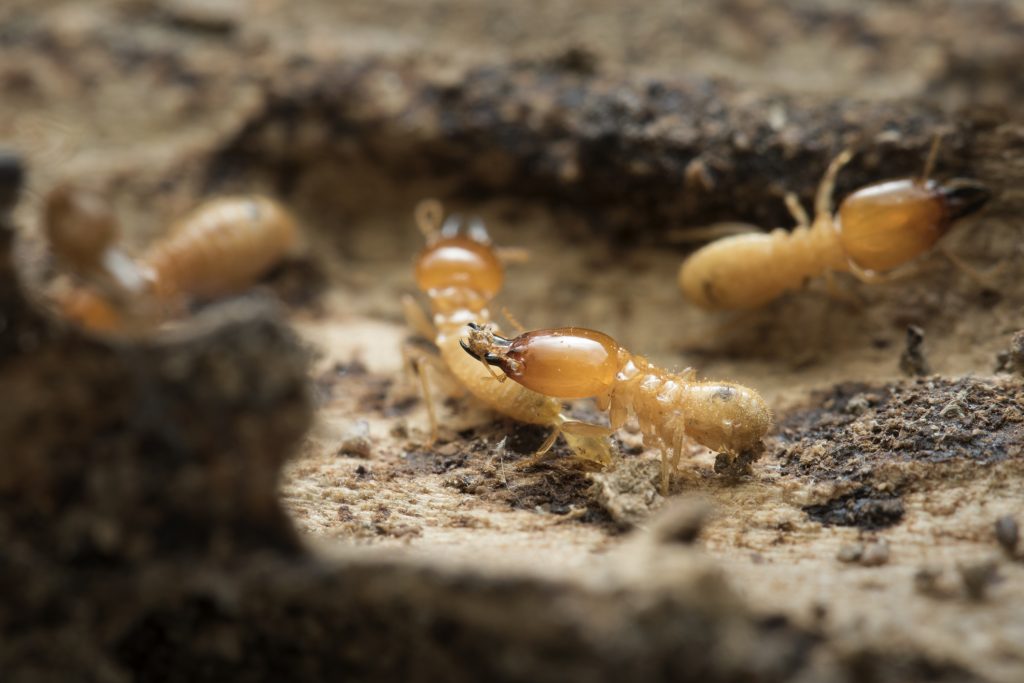
Regular inspections play a key role in termite prevention and termite control. They help spot signs such as mud tubes, termite droppings, or frass before termites cause serious damage to wooden structures. Consistent checks ensure early detection, avoiding costly repairs from structural issues.
Experts suggest annual termite inspection for most homes, but older properties or those near Trees and Vegatation may need checks biannual inspections. In high-risk areas with a history of infestations, more frequent visits like every 3-4 months provide peace of mind. Aardwolf Pestkare’s NEA-certified team uses tools like thermal imaging and scanning technology for thorough assessments.
Proactive termite monitoring, including baiting systems and soil treatment, strengthens your defense. This approach creates a pest-free environment and protects against hidden termites in accessible areas. Tailored plans from termite experts safeguard your property value long-term.
Why Regular Termite Inspections Matter
Regular termite inspections matter because they enable early detection of termite infestation, preventing extensive termite damage to wooden structures and structural issues that lead to costly repairs and diminished property value.
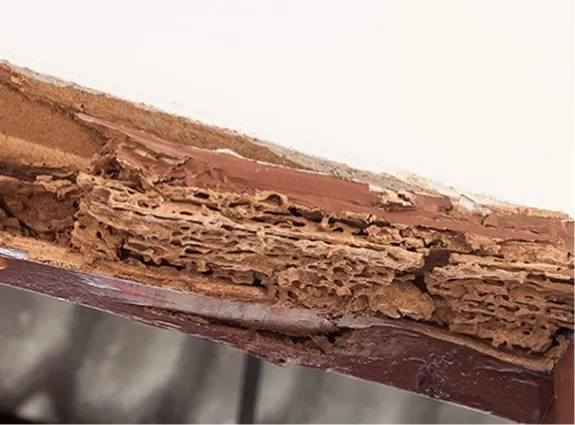
Ignoring signs like mud tunnels, frass, termite droppings, and termite wings allows termite colonies to grow unchecked. These hidden termites can weaken beams and floors over time. Early spotting through professional checks stops this silent destruction.
Companies like Aardwolf Pestkare use tools such as thermal imaging and scanning technology during inspections to find active termites in hard-to-reach accessible areas. Their NEA-certified specialists apply soil treatment, termite barriers, and baiting systems for effective termite control. This creates a pest-free environment and delivers true peace of mind.
Regular termite prevention saves homeowners from surprise structural damage. In Singapore’s tropical climate, where high termite activity thrives, preventive steps like onsite consultation and termite monitoring protect your home. Aardwolf Pestkare’s eco-friendly approach ensures long-term property protection without harsh chemicals.
How Often Should You Do Termite Inspections?
Deciding how often you should do termite inspection depends on your home type, but in Singapore’s Warmer Climates, annual inspections are a baseline, with landed properties needing every 6 months or biannual inspections, and high risk area homes possibly every 3-4 months or even monthly inspection for proactive termite prevention through regular pest control schedules that catch termite activity early.
Singapore’s tropical climate boosts high termite activity, making termite infestations a common threat to wooden structures and even steel concrete homes. Factors like property location, surrounding environment, trees vegetation, age of property, and history of infestations influence frequency. Aardwolf Pestkare offers customized plans for termite control and termite treatments tailored to these risks.
Regular termite inspections enable early detection of signs like mud tubes, termite droppings, or frass, preventing structural damage and costly repairs. For homes in high risk areas, experts recommend combining inspections with soil treatment or baiting systems. This approach maintains a pest-free environment and protects property value.
Aardwolf Pestkare’s proactive plans include termite monitoring to address termite problems before they cause serious damages. Homeowners gain peace of mind knowing hidden termites in older properties or wooden houses are caught early. Schedule based on your home’s specific needs for ongoing property protection.
New Homes — once a year Initial Inspection After Construction
For new homes after construction, schedule an initial termite assessment to install termite barriers and apply termite treatment as preventive steps for property protection against future termite colonies.
New builds in Singapore face risks from nearby termite activity in the surrounding environment. An early termite assessment spots vulnerabilities like soil near foundations. Aardwolf Pestkare provides onsite consultation with an eco-friendly approach to termite prevention.
Professionals check for entry points and recommend termite treatments like liquid termite barriers. This sets up long-term termite control without harsh chemicals. Examples include treating garden soil or sealing cracks in walls.
Starting with this inspection avoids termite damage down the line, preserving your investment. It integrates well with other services like bed bug treatment or rodent control. New homeowners benefit from customized preventive steps for a pest-free home.
Existing Homes — Steel Concrete Once a Year
Existing homes should undergo an annual termite inspection once a year to monitor accessible areas for active termites and maintain a pest-free home.
Yearly checks using scanning technology like thermal imaging detect hidden termites in walls or floors. NEA-certified specialists from Aardwolf Pestkare identify hollow wood or termite wings. This termite assessment prevents structural issues from escalating.
In Singapore’s warmer climates, annual inspections align with seasonal termite activity. Look for mud tunnels or frass during routine scans. Combine with termite monitoring for comprehensive coverage.
Benefits include catching termite infestations early, avoiding costly damages. Aardwolf Pestkare’s termite experts offer advice on pest control alongside mosquito treatment. Regular professional termite inspection ensures peace of mind for your family.
Landed Properties — Every 6 Months
Landed properties in Singapore, especially Wooden House or Older Properties in high risk area, require biannual inspections every 6 months to detect termite problems swiftly.
These homes have more trees vegetation and exposed wood, inviting high termite activity. Every 6 months checks reveal mud tubes on foundations or termite droppings in gardens. Aardwolf Pestkare’s termite experts use tools for thorough scans.
Frequent regular inspections prevent structural damage in older buildings. Examples include inspecting verandas or underfloor areas for termite colonies. Proactive termite control like baiting systems fits well here.
Biannual schedules with regular pest control maintain property value and avoid costly repairs. Aardwolf Pestkare crafts proactive plan for termite prevention. This keeps landed homes safe from termite infestations.
When You Need a Termite Inspection Earlier
You need a termite inspection earlier if there’s a history of infestations, high termite activity, or visible signs like termite droppings, frass, or termite wings around your property. These triggers signal potential termite infestations that demand urgent attention. Early detection prevents structural damage and costly repairs.
In Singapore’s tropical climate, hidden termites often thrive in wooden structures before showing signs. Spotting mud tubes along walls or hollow wood when you tap surfaces means active termites are at work. Aardwolf Pestkare offers immediate response for such high risk areas.
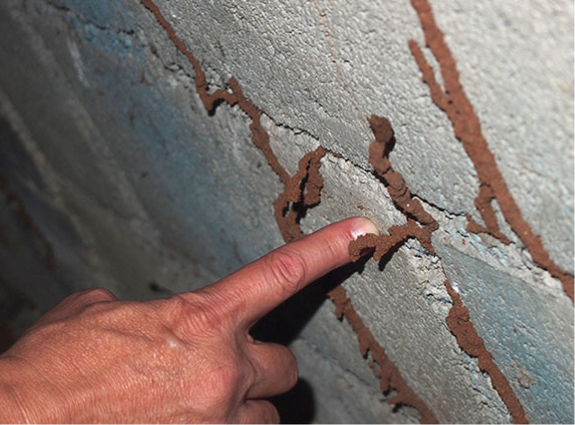
- Mud Tubes or mud tunnels on foundations indicate termite colonies moving into your home.
- Frass, small pellet-like droppings near wooden frames, points to drywood termites.
- Termite wings scattered on windowsills or floors show swarmers starting new colonies.
- hollow wood in accessible areas like door frames suggests internal property damage.
Properties with a history of Termite Infestations or in High Termite Activity zones near Trees and Vegatation require Termite Inspections biannual or even every 3-4 months. Older Properties and Wooden House face higher risks from surrounding environment factors. Contact NEA-certified specialists for thermal imaging and scanning technology to uncover hidden termites fast.
What Affects Termite Inspection Frequency
Factors affecting termite inspection frequency include property location in Warmer Climates, surrounding environment with Trees Vegatation, age of property like Older Properties versus Steel Concrete builds, all influencing termite risk.
Singapore’s tropical climate creates ideal conditions for Termites colonies to thrive year-round. High humidity and consistent warmth speed up termite activity, making regular inspections essential to spot Mud Tubes or frass early. Homes in high risk areas near soil or water sources face even greater threats.
Wooden structures in older buildings draw termites more than steel concrete ones. Check for hollow wood or termite droppings around timber frames and floorboards. Properties with a history of infestations need closer monitoring to prevent structural damage.
Aardwolf Pestkare and competitors like AZAntz, Rentokil Termite Inspection from Rentokil Initial plc, and Termite Specialist Pte Ltd at Bukit Batok Street 23 Midview Building offer Termite Control Solutions like soil treatment and baiting systems. Their NEA-certified specialists use thermal imaging for early detection of hidden termites. An onsite consultation helps create a proactive plan suited to your home’s needs.
What Happens During a Termite Inspection?
During a termite inspection, NEA-certified specialists use thermal imaging and scanning technology to check for mud tunnels, hollow wood, and other signs of termite activity in accessible areas. This professional approach helps spot hidden termites early, preventing structural damage in Singapore homes. Experts from Aardwolf Pestkare bring years of experience to ensure thorough checks.
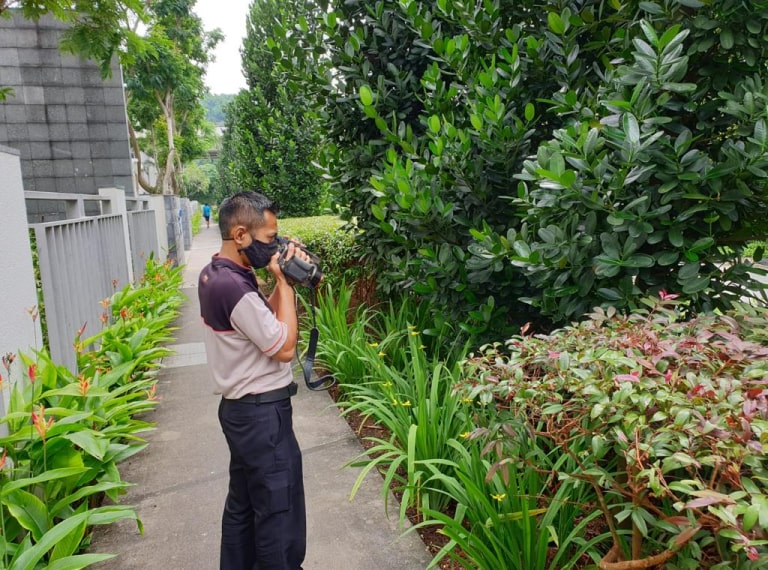
The process starts with a visual walkthrough of the property. Inspectors look for frass, termite droppings, discarded termite wings, and mud tubes along walls or foundations. In wooden structures and older buildings, they tap surfaces to detect hollow wood caused by termite damage.
Next, advanced tools come into play. Thermal imaging reveals heat signatures from active termite colonies, while scanning technology penetrates walls without demolition. Aardwolf Pestkare’s NEA-certified specialists also examine soil, trees, and vegetation near the home for entry points.
- Check crawl spaces and attics for mud tunnels.
- Inspect plumbing areas where moisture attracts termites.
- Review previous termite treatments or baiting systems.
- Assess surrounding environment for high termite activity.
Recommended Termite Inspection Schedule
A recommended termite inspection schedule includes annual inspections for most homes, every 6 months for higher-risk ones, incorporating baiting systems and termite barriers for ongoing protection. This approach helps with early detection of termite activity in Singapore’s tropical climate. Homeowners gain peace of mind knowing their property stays safe from hidden termites.
For standard homes with steel concrete structures, annual termite inspections suffice to check for mud tubes, termite droppings, or frass. Professionals use scanning technology and thermal imaging to spot termite infestations early. Pair this with preventive steps like soil treatment around the foundation.
Higher-risk properties need biannual inspections, especially older buildings or those near trees vegetation. Factors like property location in high termite activity areas or a history of infestations call for checks every 6 months. Termite monitoring through baiting systems keeps termite colonies under control.
Companies like Aardwolf Pestkare offer NEA-certified specialists for thorough termite assessments. They provide onsite consultations to create a proactive plan tailored to your home. Regular pest control ensures a pest-free environment, preventing costly repairs from structural damage.
Low-Risk Homes: Annual Inspections
Newer homes in low-risk areas benefit from once-a-year termite inspections. These checks focus on accessible areas for signs like hollow wood or termite wings. This schedule maintains property protection without frequent disruptions.
Incorporate termite barriers during construction for long-term defense. Annual visits by termite experts confirm no active termites or mud tunnels. This routine supports a pest-free home in Singapore’s warmer climates.
Experts recommend combining inspections with basic termite prevention like clearing debris near walls. Wooden structures get extra attention to avoid termite problems. Peace of mind comes from knowing serious damages stay at bay.
High-Risk Homes: Biannual or More Frequent Checks
Every 6 months inspections suit older properties or those with high termite activity. Surroundings like dense vegetation increase risks, so frequent professional termite inspections spot issues early. This prevents termite damage to beams and floors.
For extreme cases, such as a history of infestations, consider checks every 3-4 months. Baiting systems from providers like Aardwolf Pestkare target termite colonies effectively. They use an eco-friendly approach alongside termite treatments.
Monitor for termite droppings and mud tunnels during these visits. Properties in high-risk areas gain from regular termite control integrated with rodent control or mosquito treatment. This comprehensive strategy safeguards your investment.
Enhancing Protection with Baiting Systems and Barriers
Termite monitoring via baiting systems detects and eliminates colonies before they cause harm. Install these around your property perimeter for continuous vigilance. They work well with annual or biannual schedules.
Termite barriers, like liquid soil treatments, create a protective zone against invading termites. Professionals apply them during initial setups or renewals. This duo reduces the need for reactive termite treatments.
Aardwolf Pestkare specialists assess your site for the best setup. Regular inspections ensure systems function properly in Singapore’s humid conditions. Enjoy property value preservation through these preventive steps.
Professional Termite Control Solutions
Professional termite control solutions from experts like Aardwolf Pestkare in Singapore offer comprehensive termite treatments including soil treatment, baiting systems, and an eco-friendly approach, handled by NEA-certified specialists to eliminate termite colonies, prevent structural damage, and provide a pest-free environment beyond just Termite Inspection.
These services start with a thorough termite inspection to spot signs like mud tubes or frass in wooden structures. NEA-certified specialists use tools such as thermal imaging for early detection of hidden termites. This proactive approach helps avoid costly repairs from termite damage.
Aardwolf Pestkare extends beyond termites with integrated pest control options. Homeowners benefit from bundled treatments that address multiple threats in Singapore’s tropical climate. Regular monitoring ensures long-term property protection.
For high-risk areas near trees or vegetation, they recommend termite barriers and baiting systems. An onsite consultation tailors a plan to your property’s age and location. This delivers peace of mind against infestations.
Integrated Pest Management Services
Aardwolf Pestkare provides regular pest control alongside termite treatments to maintain a pest-free home. Services cover common Singapore pests like Dengue-carrying Mosquitoes, Ants, Cockroaches, Rodents, Bed Bugs, Rats, and Mice through targeted methods. This holistic strategy prevents issues from spreading.
Key offerings include bed bug treatment, rodent control, and mosquito treatment. Experts use eco-friendly products safe for families. Treatments focus on eliminating sources and preventing returns.
- Bed bug treatments target infestations in mattresses and furniture with heat or targeted sprays.
- Rodent control handles rats and mice using traps and exclusion techniques.
- Mosquito treatments reduce breeding sites to combat dengue risks.
Every 3-4 months, follow-up visits reinforce defenses. This keeps your home secure year-round.
Specialized Treatments for Common Pests
Besides termites, Aardwolf Pestkare tackles ants, cockroaches, and more with precision. Ant control disrupts colonies in kitchens and pathways. Cockroach treatments use baits that target hidden nests.
Rodent control addresses rats and mice invading older properties or those near vegetation. Secure bait stations and sealing entry points form the core approach. This prevents structural issues from chewing.
Mosquito and dengue prevention involve fogging and larvicide in drains or planters. Bed bug services inspect accessible areas for eggs and droppings. Each plan includes termite monitoring for complete coverage.
Property owners in high termite activity zones gain from combined services. Regular inspections every 6 months or annually detect problems early. This avoids serious damages in Singapore’s warmer climates.
Frequently Asked Questions
Frequently asked questions about termite inspections cover topics like whether an annual termite inspection suffices, skipping checks without signs, duration, frequency for landed homes in Singapore, and areas inspected during regular inspections.
These queries highlight concerns over Termite Infestations risks in Singapore’s tropical climate. Homeowners often wonder how to balance early detection with practical schedules. Understanding these helps maintain a pest-free home.
Termites thrive in warmer climates, targeting wooden house structures silently. Regular checks prevent structural damage and protect property value. Experts recommend proactive steps for termite prevention.
In Singapore, factors like Trees Vegatation and property location influence frequency. Aardwolf Pestkare advises tailored plans for peace of mind. This section addresses common doubts conversationally.
1. Is an annual termite inspection enough for most homes?
An annual Termite Inspection in Singapore is enough for most homes, but Older Properties or those in high risk areas may need more frequent checks.
Property value can drop with undetected termite damage, leading to costly repairs. Newer homes with steel concrete barriers face lower risks. Still, annual checks ensure early detection of hidden threats.
Aardwolf Pestkare’s advice includes assessing age of property and surrounding environment. For homes with a history of infestations, consider every 6 months. This proactive plan avoids structural issues.
Regular termite monitoring supports termite control like soil treatment or baiting systems. It keeps your home safe without excess costs. Tailor frequency to your needs for long-term property protection.
2. Can I skip inspections without visible signs?
No, you can’t skip Termite Inspections without visible signs because hidden termites cause serious damages before they’re noticeable; early detection is key.
Termites create termite droppings or frass, mud tunnels, and leave hollow wood, but damage starts unseen. Skipping checks risks termite infestations spreading to foundations. Professional inspections spot termite activity early.
In Singapore’s tropical climate, high termite activity demands vigilance. Visible signs like termite wings appear late. A professional termite inspection uses tools for thorough scans.
Aardwolf Pestkare promotes regular Termite Control Solutions for a pest-free environment. Don’t wait for problems; schedule checks to prevent costly damages. This ensures peace of mind against termite problems.
3. How long does a termite inspection take?
A termite inspection typically takes 1-2 hours, depending on property size, using thermal imaging and scanning technology during onsite consultation.
NEA-certified specialists start with visual checks for mud tubes and frass. They probe wooden structures for hollow sounds. Larger homes need more time for full coverage.
Aardwolf Pestkare’s efficiency minimizes disruption. Tools detect active termites behind walls quickly. The process includes a detailed report on findings by NEA-certified specialists.
Post-inspection, discuss termite treatments like barriers or eco-friendly options. This short visit prevents major property damage. Plan ahead for smooth scheduling.
4. How often for landed homes in Singapore?
For landed homes in Singapore, inspections every 6 months or biannual inspections are recommended due to higher exposure of wooden structures.
The tropical climate boosts termite risks, especially near trees vegetation. Landed properties have more accessible wood, inviting termite colonies. Frequent checks catch issues early.
Aardwolf Pestkare schedules fit high-risk spots like Bukit Batok Street 23. Older buildings or those with soil contact need every 6 months vigilance. Combine with termite prevention like baiting systems.
This frequency maintains structural integrity and property value. Adjust based on past termite infestations. Stay ahead for a pest-free home.
5. What areas are checked in an inspection?
In a termite inspection, accessible areas like foundations, wooden structures, and potential mud tubes are checked for signs of termite colonies.
Inspectors examine subfloors, attics, and exterior walls for mud tunnels or frass. They tap beams for hollow wood indicating damage. Crawl spaces get close scrutiny.
- Foundations and soil perimeters for entry points
- Window frames and door sills for activity
- Roof timbers and eaves for hidden nests
- Tree stumps or mulch near the house
Aardwolf Pestkare’s thorough approach covers all spots.
This termite assessment identifies risks early. Follow up with termite barriers or treatments. Protect your home comprehensively.
Final Answer
For optimal termite protection in Singapore, follow Aardwolf Pestkare’s advice: annual termite inspections for most homes, every 6 months for landed properties, with professional termite control ensuring a pest-free home and lasting peace of mind from termite experts.
These schedules help with early detection of mud tubes, termite droppings, or hollow wood, preventing costly damages from hidden termites. NEA-certified specialists at Aardwolf Pestkare use scanning technology and thermal imaging during inspections. Contact them for an onsite consultation to tailor a proactive plan.
In Singapore’s tropical climate, high termite activity thrives near trees and vegetation. Older properties or those with wooden structures need biannual inspections to spot mud tunnels early. Aardwolf’s termite treatments, like soil treatment and baiting systems, offer reliable property protection.
Regular pest control from Aardwolf Pestkare covers termite infestations alongside Bed Bugs, Rodents, Dengue mosquitoes, Ants, and Cockroaches treatment. This creates a pest-free environment and avoids structural issues or serious damages. Trust their eco-friendly approach for your peace of mind.
Frequently Asked Questions
How Often Should a Termite Inspection Be Conducted in Singapore Homes?
In Singapore’s humid climate with High Termite Activity, termite inspections should be conducted at least once every 12 months for most homes. Aardwolf Pestkare recommends annual inspections to detect subterranean and drywood termites early, preventing costly structural damage. For high-risk areas like wooded surroundings or older homes, consider inspections every 6 months.
Why Is Regular Rentokil Termite Inspection Necessary in Singapore Homes?
Singapore’s tropical environment fosters rapid termite proliferation, with colonies growing undetected underground at locations like Midview Building. Regular inspections, ideally how often should a termite inspection be conducted in Singapore homes annually, allow experts like Aardwolf Pestkare and Termite Specialist Pte Ltd to identify infestations before they compromise foundations, walls, or wooden structures, saving homeowners significant repair costs.
What Factors Determine How Often Termite Inspections Are Needed in Singapore Homes?
Factors include home age, location near soil or vegetation, previous infestations, and construction materials. Aardwolf Pestkare advises baseline annual checks but tailors schedules—how often should a termite inspection be conducted in Singapore homes—to bi-annual for vulnerable properties, using advanced detection tools for thorough assessments.
Can Aardwolf Pestkare Help Schedule Termite Inspections for Singapore Homes?
Yes, Aardwolf Pestkare offers professional scheduling for optimal frequency, answering how often should a termite inspection be conducted in Singapore homes with customized plans. Their certified technicians provide comprehensive inspections alongside termite control treatments like baiting systems and soil barriers, ensuring long-term protection.
How Does Aardwolf Pestkare Ensure Effective Termite Inspections in Singapore Homes?
Aardwolf Pestkare uses state-of-the-art thermal imaging, moisture meters, and borescopes during inspections to detect hidden termite activity. They recommend how often should a termite inspection be conducted in Singapore homes based on risk assessments, combining inspections with preventive solutions like their eco-friendly termiticides for superior results.
What Other Pest Control Services Does Aardwolf Offer Alongside Termite Inspections?
Besides guiding on how often should a termite inspection be conducted in Singapore homes, Aardwolf Pestkare provides integrated services for ants, cockroaches, rodents, bed bugs, and more. Their holistic pest management ensures your home stays pest-free, with bundled packages for comprehensive protection and peace of mind.