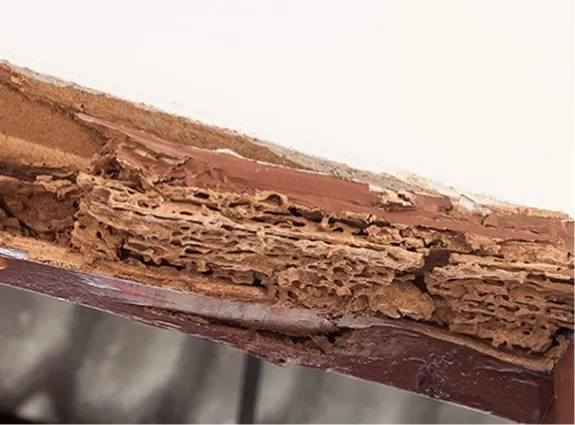
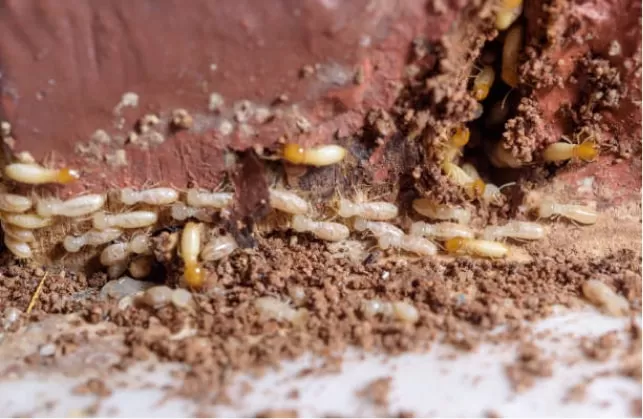
Termites quietly destroy homes, resulting in billions of dollars in damage across the U.S. each year, according to the National Pest Management Association. You can protect your property with a comprehensive inspection that covers attics, crawl spaces, walls, bathrooms, kitchens, and other critical areas— we’ll outline the key hotspots shortly. Discover why Aardwolf Pestkare’s professional inspections are so important, along with their complete range of pest control services, signs of infestations, prevention strategies, and the best times to schedule for optimal protection.
Key Takeaways for pest control in Singapore:
- Inspectors commonly check attics, crawl spaces, and foundations for termite damage, mud tubes, and wood decay using specialized tools.
- Exterior walls, siding, interior framing, and wood-to-ground contacts are scrutinized for hidden termite infestation and entry points.
- Moisture-prone areas like bathrooms, kitchens, basements, garages, and around windows/doors are key focus zones for termite activities.
1. Attic and Roof Areas
When conducting a termite inspection in Singapore, the attic and roof areas are critical hotspots for termite infestation because these spaces often provide the ideal environment for termites to thrive, especially subterranean termites and drywood termites that are drawn to the warm and humid climate. Homeowners should watch for early signs of termite activity like mud tubes along wooden structures, termite droppings resembling sawdust, and even soldier termites visible in these concealed spots. A professional termite specialist from Aardwolf Pestkare Pte Ltd uses advanced tools like thermal imaging during termite inspection Singapore to detect hidden termite colonies and prevent structural damage to your roof timbers and attic framing, ensuring your home stays keeping your home termite-free with expert termite termite control services in Singapore.
Attics become vulnerable due to their warmth and access to cellulose in wooden beams and rafters, where termites feed quietly without notice, as termites are social insects that live in colonies. Termite activities often start in damp spots near roof leaks, creating mud tubes that shelter worker termites as they travel. Spotting these signs of termite early helps avoid costly repairs to your home’s framework.
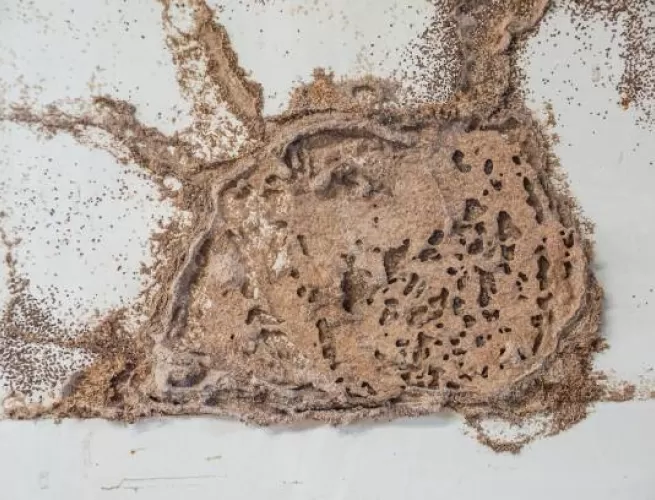
Thermal imaging plays a key role in modern inspections by revealing heat from active termite colonies behind walls or in insulation. Aardwolf Pestkare experts scan these areas thoroughly, identifying infested areas that visual checks miss. This technology ensures effective termite control tailored to types of termites in Singapore and termite species.
For preventive measures and preventive termite inspection Singapore to protect against subterranean termite and drywood termites. Combine annual termite inspections with options like soil treatment or termite baiting for long-term defense. Professional termite services keep your attic and roof safe from termite problems, protect your home from termites.
2. Crawl Spaces and Foundations
Crawl spaces and foundations are prime entry points for subterranean termite colonies and presence of termites seeking moisture and cellulose in Singapore’s soil, making regular termite inspection essential to catch infestations and detect termite infestation early.
During a termite inspection in Singapore, experts check for mud tubes that subterranean termites build to travel from soil to wooden structures. These mud tubes protect termites from drying out and signal active termite colonies. Look for them along foundation walls or in damp crawl spaces.
Soil treatment plays a key role in termite control and treatment of the soil, as it creates a barrier to stop termites from entering your home. Professionals apply liquid treatments around foundations to target subterranean termite activity. This preventive measure helps protect your home from termites before they cause structural damage.
Aardwolf Pestkare’s pest control Singapore services in singapore and pest control services focus on these areas with thorough inspections and termite treatment options like soil barriers and baiting systems. Their team uses tools to detect signs of termite activity early. Regular checks ensure best termite control services and termite control services in Singapore and keep your property safe.
3. Exterior Walls and Siding
Exterior walls and siding often show signs of termite activity from drywood termites feeding on timber, especially near wood-to-ground contacts that allow termites to enter. Termites are social social insects that live in colonies target cellulose in wooden structures. In Singapore’s warm and humid climate, this creates an ideal environment for termite infestation.
Termite activities like chewing through siding can lead to structural damage. Inspectors check for frass or termite droppings, tiny holes, and mud tubes from subterranean termites. Early detection during a termite inspection prevents major issues in your home or business.
Preventive measures include termite baiting systems placed around the perimeter. These attract worker termites and spread poison through termite colonies. Combine this with soil treatment to block subterranean entry points near door frames and foundations.
For effective protection, hire termite control company in singapore control in singapore from a licensed termite termite specialist. They use thermal imaging to spot hidden infested areas in exterior walls. Regular annual termite inspections keep your property termite-free and address any potential termite problems promptly.
4. Interior Walls and Framing
Inside interior walls and framing, termite droppings and worker termites can signal a serious infestation causing structural damage if not addressed with prompt termite treatment.
Inspectors use tools like thermal imaging to detect hidden termite activities within walls. Social insects that live in colonies chew through timber framing, creating weak spots in your home. Early detection during a termite inspection prevents major issues.
Subterranean termites often build mud tubes along framing to access wood, while drywood termites infest directly inside. Look for signs of termite activity such as frass or hollow-sounding walls. In Singapore’s warm and humid climate, these pests thrive in wooden structures.
Control measures include soil treatment around foundations and termite baiting systems to target colonies. Certified pest control company pest controllers offer treatment options like liquid barriers or baiting systems. Untreated termite infestations can lead to costly repairs on door frames and interior supports.
5. Bathrooms and Plumbing Areas
Bathrooms and plumbing areas create an ideal environment for dampwood termites due to constant moisture, making it vital to detect sign of termite infestation early signs early. These areas often have leaks or high humidity that attract types of termites in Singapore. Inspectors focus here to prevent structural damage from hidden colonies.
Signs of termite activity include soft or hollow-sounding wood around sinks and door frames. Look for termite droppings resembling sawdust near pipes or mud tubes along plumbing lines. Moisture from poor ventilation draws dampwood termites, which thrive in damp wood.
During a termite inspection in Singapore, experts check under vanities and behind toilets for early signs of infestation. Use a flashlight to spot worker termites or frass in these spots. Preventive measures like fixing leaks help keep your home termite-free.
- Examine grout lines and caulking for cracks where termites may enter.
- Tap wooden structures near showers to listen for hollow sounds.
- Monitor for signs of termite activity like blistering paint on baseboards.
- Schedule annual termite inspections with a termite specialist.
6. Kitchen and Utility Rooms
In kitchens and utility rooms, termites feed on cellulose in wooden furniture and cabinets, requiring vigilant checks for bait termite baiting effectiveness.
These areas often provide an ideal environment for subterranean termite termite colonies due to moisture from sinks and pipes. Inspectors look for signs of termite activity like mud tubes along walls or termite droppings near baseboards. Early detection helps prevent structural damage to your home.
Termite baiting systems work well here by attracting worker termites to bait stations placed around the perimeter. These systems target entire termite colonies, offering a non-invasive termite treatment option. Professionals monitor them during annual termite inspections to ensure ongoing termite control.
For daily prevention, keep these rooms dry and fix leaks promptly to discourage termite infestation. Store wooden furniture away from walls and check door frames regularly for signs of termite activity. In Singapore’s warm and humid climate, such preventive measures are key to protecting your home from termites.
7. Windows, Doors, and Entry Points
Windows, doors, and entry points like door frames are common paths for soldier termites, so preventive measures help keep termites from entering your home. These areas often show signs of termite activity such as mud tubes or frass near frames. Inspectors in Singapore focus here due to the warm, humid climate that attracts subterranean termites.
Look for termite droppings or damaged wood around sills and thresholds during a termite inspection in singapore. Soldier termites, with their large jaws, defend colonies and may appear near these spots. Sealing cracks with caulk protecting your home from termites by blocking termites from entering access to cellulose in wooden structures.
Professionals use thermal imaging to detect hidden termite colonies behind frames. For termite control in singapore, apply soil treatment around foundations to target subterranean termite entry. Regular checks catch early signs before structural damage occurs.
- Caulk gaps in door frames and window sills to block pests.
- Replace swollen or hollow-sounding wooden trim promptly.
- Install termite baiting systems near vulnerable points for ongoing protection.
- Schedule annual termite inspections with a termite specialist.
8. Garage and Attached Structures
Garages and attached structures with exposed timber can become infested areas for various termite species where termites live, including types of termites in Singapore. These areas often store items like wooden shelves or old furniture, creating an ideal environment for subterranean termites and drywood termites. A thorough termite inspection here helps detect early signs of termite activity.
In Singapore’s warm and humid climate, termite colonies thrive in garages due to moisture from concrete floors and poor ventilation to control termites. Inspectors check for mud tubes, termite droppings, and damaged wood around door frames. Termites are social insects that live in colonies, so spotting worker termites signals a larger termite infestation.
During a termite inspection in Singapore, professionals use tools like thermal imaging to find hidden termite activities in timber beams and attached sheds. Common risks include structural damage from feeding on cellulose in wood. Early detection allows for preventive measures to protect your home.
For effective termite control, options include soil treatment, termite baiting, or baiting systems targeting soldier termites. Hire a licensed termite specialist for termite treatment in these infested areas. Regular checks keep garages termite-free and prevent spread to your main home.
Wood-to-Ground Contacts
Wood-to-ground contacts are where subterranean termites are known to live and access homes, best controlled with baiting systems to control termites effectively. These points include areas like wooden posts touching soil or timber frames near foundations. Inspectors focus here during a termite inspection in Singapore to spot signs of termite activity early.
Subterranean termites travel from soil through door frames or siding that meets the ground, creating mud tubes for protection. Termites are found in wood. These social insects that live in colonies seek cellulose in wood, causing structural damage if unchecked. Experts recommend checking for these tubes as a key sign of termite infestation.
Baiting systems offer long-term termite control by attracting worker termites to ingest poisoned bait, which they share with the colony. This method targets termite colonies underground, unlike soil treatments that only create barriers. In Singapore’s warm and humid climate, termite baiting proves effective for preventive measures.
Combine baiting with removing wood-to-ground contacts, such as using concrete bases for posts. Schedule annual termite inspections with a termite control company in Singapore to protect your home. Early detection prevents termite infestation from spreading to wooden structures.
10. Moisture-Prone Zones Like Basements
Moisture-prone zones like basements in Singapore’s warm and humid climate foster termite colonies, often requiring a type of treatment like treatment of the soil for protection. Termites thrive in damp conditions because moisture helps them digest cellulose from wood. These areas create an ideal environment for subterranean termites, one of the most destructive types of termites in Singapore.
During a termite inspection Singapore, experts check for signs of termite activity such as mud tubes along foundation walls or termite droppings near wooden structures. Subterranean termites build these tubes to travel from soil to timber, causing structural damage. High humidity in basements signals a potential termite infestation, prompting closer scrutiny.
Soil treatment options like liquid barriers prevent termites from entering your home by creating a chemical zone around the foundation. Termite baiting systems offer another effective approach, using stations that worker termites carry back to colonies. Professional termite control services in Singapore recommend combining these for long-term protection.
For prevention of termites, improve ventilation and fix leaks to reduce moisture levels. Regular annual termite inspections help detect early signs in these zones. Acting with termite treatment immediately keeps your home or business termite-free.
Why Professional Termite Inspections Matter for Home Protection?
Professional termite inspections are crucial for protecting your home from the devastating structural damage caused by termite infestations, especially in Singapore where termites are one of the most destructive pests known to attack wooden structures, timber, and even door frames. Undetected termites can weaken foundations over time, leading to costly repairs. Early detection saves homeowners from major issues.
Choosing a licensed termite control company in Singapore like Aardwolf Pestkare Pte Ltd, a certified pest control specialist, ensures thorough detection of termite activities, subterranean termite colonies, and early signs using advanced methods. Their expert services prevent termite problems from escalating. You gain peace of mind with reliable termite control services that keep your home or business termite-free and structurally sound.
Termites are one of the social insects that live in colonies, feeding on cellulose in wood and creating hidden damage. Professionals spot signs of termite activity that DIY checks miss. This protects your investment from one of the most destructive pests in Singapore’s warm and humid climate.
Aardwolf Pestkare’s approach includes termite treatment options like soil treatment and baiting systems. They target worker termites and soldier termites effectively. Regular inspections maintain a termite-free environment for your property.
How Does Aardwolf Pestkare Conduct Thorough Termite Inspections?
Aardwolf Pestkare conducts thorough termite inspection Singapore using thermal imaging and expert techniques to detect termite infestation accurately. Their team examines areas like walls, floors, and foundations for hidden colonies. This method reveals subterranean termites and other types active in wood.
Inspectors use moisture meters and listening devices alongside thermal imaging to find termite activities. They check for mud tubes and frass in hard-to-reach spots. This comprehensive process ensures no infested area goes unnoticed.
Annual termite inspections are recommended to catch issues early, especially in Singapore’s ideal environment for termites. Aardwolf offers the best termite control services with detailed reports and treatment plans. Homeowners benefit from their experience with local termite species.
Post-inspection, they suggest termite baiting or soil treatment as needed. This proactive approach controls termites before they cause damage. Their certified experts provide tailored solutions for homes and businesses.
What Other Pest Control Services Does Aardwolf Pestkare Offer?
Beyond termites, Aardwolf Pestkare offers comprehensive pest control services and termite control services in Singapore tailored by expert pest controllers. They handle common pests like rodents and cockroaches with effective methods. This keeps your property safe and comfortable.
As a top pest control Singapore provider, they provide control services in Singapore for ants, bed bugs, and more. Services include targeted treatments and preventive advice. Businesses rely on them for hygiene maintenance.
Their pest control services use safe, approved products suited to local conditions. They offer ongoing monitoring for complete protection. Aardwolf stands out for reliability in managing various infestations.
- Rodent control with traps and baits
- Cockroach extermination in kitchens
- Ant treatments for gardens and indoors
- Bed bug inspections and heat treatments
How Can Homeowners Prevent Termite Infestations?
Homeowners can achieve the prevention of termites with simple preventive measures like regular termite checks for protecting your home from termites. Keep wood away from soil contact to block entry points. Fix leaks promptly to avoid creating damp spots.
Remove cellulose sources like old lumber or mulch near foundations. Schedule regular termite maintenance with professionals for ongoing vigilance. These steps reduce risks from subterranean and drywood termites.
Use treated timber for outdoor structures and seal cracks in walls. Combine these with termite control measures like bait stations. This keeps your home termite-free in Singapore’s climate.
Experts recommend inspecting attics and crawl spaces yearly. Early action stops potential termite issues. Aardwolf Pestkare advises on customized prevention plans.
What Are the Signs of an Active Termite Infestation?
Key signs of termite infestation include mud tubes, termite droppings, and early signs of termite activity indicating termites are present. Mud tubes on foundations show subterranean termites at work. Droppings resemble sawdust near wooden furniture.
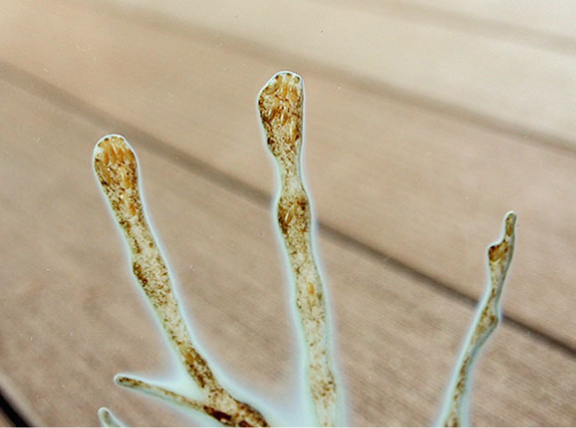
Look for hollow-sounding wood when tapped, a sign of termite infestation from internal feeding. Discarded termite wings near windows signal swarming. These clues mean termites are present and active.
Bubbling paint or maze-like patterns in drywall point to hidden damage. Soldier termites with large jaws may appear in infested areas. Act on these early signs to avoid escalation.
Termites build shelter tubes and feed silently, so check dampwood areas. Professionals confirm when termites are present with tools. Prompt detection prevents major structural harm.
How Often Should You Schedule a Termite Inspection?
Schedule termite inspection in Singapore annually or more for effective termite control in Singapore as the best termite prevention practice. In high-risk areas, check twice yearly. This catches termite colonies before they spread.
Annual termite inspections benefit properties near soil or with wood elements. They detect drywood and subterranean types common in Singapore. Regular checks ensure timely intervention.
New homes need inspections post-construction to spot early issues. Businesses with timber should follow suit. This approach offers the best defense against damage.
Aardwolf Pestkare schedules convenient visits with follow-up advice. Consistent monitoring protects against termite problems. Stay ahead with their expert timing recommendations.
Frequently Asked Questions
What Areas Are Commonly Checked During a Termite Inspection?
During a termite inspection by Aardwolf Pestkare, experts commonly check high-risk areas like crawl spaces, attics, basements, foundation walls, wooden structural elements, and exterior siding for signs of termite activity such as mud tubes, wood damage, or live termites. Our thorough process ensures comprehensive protection for your property.
What Areas Are Commonly Checked During a Termite Inspection in Crawl Spaces?
Crawl spaces are a primary focus in termite inspections at Aardwolf Pestkare due to moist conditions ideal for termites. Inspectors check floor joists, support posts, and soil for mud tubes and frass, using our expertise to recommend targeted termite control solutions.
What Areas Are Commonly Checked During a Termite Inspection Around the Foundation?
Aardwolf Pestkare prioritizes foundation areas during termite inspections, examining cracks, weep holes, and soil-to-wood contact points for termite entry. This detailed check helps prevent infestations and integrates with our full range of pest management services.
What Areas Are Commonly Checked During a Termite Inspection in Attics and Rooflines?
In attics and along rooflines, Aardwolf Pestkare’s termite inspections target rafters, eaves, and insulation for damage or termite shelter tubes. Our professionals leverage advanced techniques to safeguard your home from hidden threats.
What Areas Are Commonly Checked During a Termite Inspection for Exterior Wood?
Exterior wooden features like decks, fences, and siding are routinely inspected by Aardwolf Pestkare for termite damage, probing for hollow sounds and swarmers. Pair this with our other pest control solutions for complete property protection.
What Areas Are Commonly Checked During a Termite Inspection Inside Walls?
Though challenging, Aardwolf Pestkare checks interior walls using moisture meters and thermal imaging during termite inspections to detect hidden colonies behind drywall or in voids, ensuring no area is overlooked in our expert service.