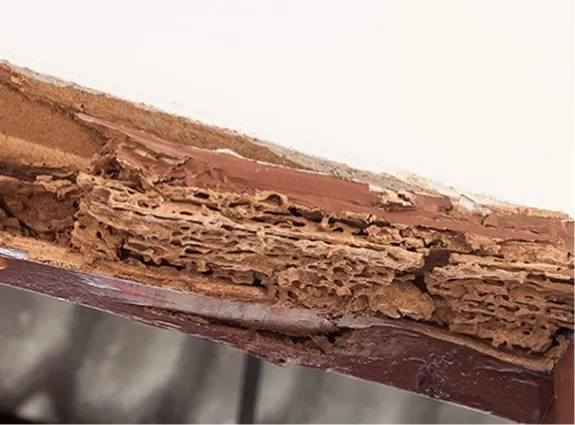
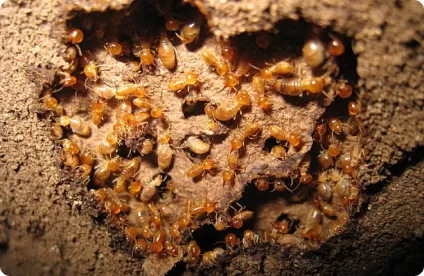
If you own an older home in Singapore, Termites might be quietly eating away at its wooden beams, transforming your cherished property into an expensive headache. Singapore’s humid climate promotes subterranean termites, putting vintage homes at even greater risk watch for mud tubes, hollow timber, and undetected structural damage. Recognize the signs of infestation, understand repair costs, health risks, and reliable solutions such as Aardwolf Pestkare’s chemical treatments, bait systems, and professional inspections. Professionals outperform DIY efforts. Protect your home now.
Key Takeaways:
- Older Singapore homes face heightened termite risks due to aging wood; early detection via mud tubes and hollow-sounding wood prevents catastrophic structural damage.
- Termite damage in older properties escalates repair costs rapidly—expert services like Aardwolf’s soil treatments and termite bait systems save thousands by halting hidden destruction early.
- DIY methods fail against termites’ hidden threats; choose pros for safe, effective control, ensuring health safety and long-term home integrity in humid Singapore.
Why Termites Pose a Greater Threat to Older Homes in Singapore
Older homes in Singapore, especially landed homes with wooden structures and wooden beams, are prime targets for Singapore termites due to the warm humid climate and tropical climate that fosters moist environments perfect for termite colonies and underground nests. These conditions allow termite species like Subterranean Termites, Drywood Termites, and Dampwood Termites to thrive. In dense urban living, the threat grows as pests exploit overlooked vulnerabilities.
Subterranean termites build mud tubes from soil to reach cellulose material in older wooden beams, causing structural damage over time. Older building codes often lacked modern protections like chemical barrier or stainless steel mesh, leaving homes exposed. Soil conditions in Singapore’s humid soil amplify this risk, promoting termite nests near foundations.
Drywood termites infest dry wood without soil contact, dropping termite frass as a sign of termite infestation. Dampwood termites target moist wood in leaky areas common in aging wooden structures. Professional pest control services spot these through termite inspection, like hollow-sounding wood or sagging floors.
Early detection via discarded wings or termite swarmers prevents massive property damage and high repair costs. In older homes, routine inspections and termite control Singapore measures like soil treatment or baiting systems are essential. This protects property value amid Singapore’s hot humid weather.
Common Signs of Termite Infestations in Older Properties
Spotting common signs of termite infestation in older properties in Singapore, like HDB units, starts with keen observation during termite inspection for early detection using tools such as Thermal Imaging, moisture metres, and even a dog detection team.
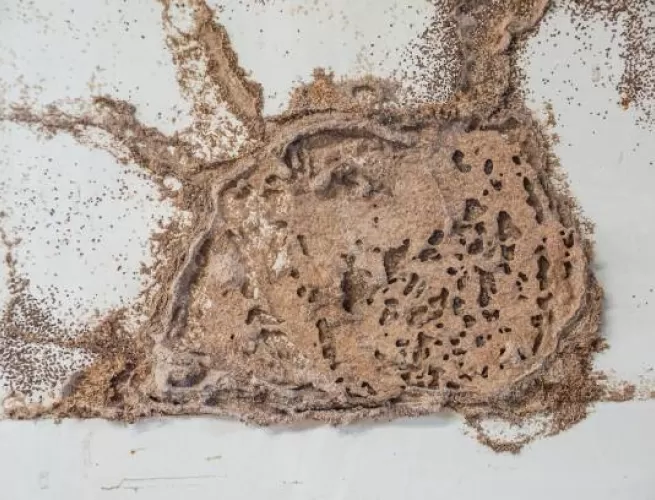
These signs often appear subtly at first. Homeowners in landed homes or aging wooden structures notice them during routine checks. Early detection prevents structural damage and high repair costs.
Look for clues like termite swarmers or alates or unusual wood textures. In Singapore’s tropical climate, termites thrive in warm humid conditions. Regular inspections catch issues before they spread.
Professional pest control pest control services use advanced methods for confirmation. Acting quickly on these signs supports termite prevention and protects property value. Transition now to specific indicators below.
Mud Tubes
Mud tubes built by subterranean termites are telltale signs of termite colonies tunneling through soil in Singapore homes.
These thin, mud-like tunnels protect termites as they travel from underground nests to wooden structures. In older properties, they often run along foundations or walls. Spot them during termite inspection by scraping gently with a tool.
Breaking open a tube reveals live termites or soil. This confirms active termite infestation needing termite control. Ignore them, and they lead to severe wood damage over time.
Experts recommend soil treatment or chemical barriers for termite eradication. In moist environments common in Singapore, mud tubes signal urgent pest control action to avoid sagging floors.
Discarded Wings
Finding discarded wings near windows or doors signals winged termites or alates, also known as termite swarmers, from a mature termite swarm in your Singapore property.
These wings shed after swarmers pair off to form new colonies. They cluster on sills or floors in hot humid weather. This points to drywood or subterranean species nearby.
Sweep them up and check for more signs like frass. Early detection here prevents colony growth in wooden beams. Vacuum gently to avoid spreading pheromones.
Call professional pest control for baiting systems or treatment. Discarded wings warn of potential property damage, especially in dense urban living areas.
Hollow Wood
Hollow-sounding wood when tapped is a classic sign of internal wood damage from termites in older homes in Singapore, potentially leading to sagging floors.
Use a screwdriver or knuckle to tap beams and frames. A dull, empty sound means termites have eaten the core. This test works well on doors, skirtings, or attic wood.
Compromised wood risks safety issues like collapses or electrical wires exposure, causing short circuits. In HDB units, it affects load-bearing parts quickly.
Seek termite treatment with moisture control and termiticide application. Regular tapping during annual inspection supports preventive maintenance in tropical climates.
Wood Dust or Droppings
Termite droppings, known as termite frass or frass, resemble tiny pellets and point to drywood termites or dampwood termites active in Singapore wooden beams.
Frass appears as six-sided granules, unlike ant sawdust. Check below infested areas for piles. Shake wood lightly over paper to confirm.
Drywood types infest dry wood, while dampwood prefer moist environments. Both cause hidden termite damage in older structures. Vacuum droppings to monitor changes.
Professional termite inspections use tools for source location. Combine with bait systems for effective termite eradication and long-term protection.
The Cost of Termite Damage
Termite damage in Singapore can lead to skyrocketing repair costs, often in USD thousands, causing structural damage that slashes property value in HDB units and landed homes. Homeowners face expenses from replacing wooden beams and fixing sagging floors after termite infestations. Early detection through termite inspections can prevent these financial hits.
In HDB flats, termite damage often hides in wooden structures like door frames, leading to costly repairs that disrupt daily life. Landed homes suffer more extensively, with subterranean termites creating mud tubes along foundations. Property value drops when buyers spot signs like discarded wings or hollow-sounding wood during viewings.
Repair costs pile up from addressing wood damage, electrical wires chewed through causing short circuits, and even health hazards from termite droppings. Experts recommend professional pest control to avoid these issues, as DIY efforts rarely eradicate termite colonies. Regular inspections by local services ensure termite prevention in Singapore’s warm humid climate.
Preventive measures like soil treatment and moisture control save money long-term compared to full termite eradication. HDB building codes now emphasize anti-termite treatment, underscoring the need for routine maintenance. Acting on termite swarmers early protects your investment from paint peel and other visible property damage.
Safety Issues in Older Homes
Termites in older homes in Singapore create safety issues by compromising electrical wires, leading to short circuits and electric shocks, alongside sagging floors from wood damage. These pests chew through insulation on wires hidden in walls, exposing live conductors. Homeowners often discover the problem only after a spark or outage occurs.
Wood damage from subterranean termites weakens floor joists and support beams in wooden structures common in older landed homes. This leads to sagging floors that pose trip hazards and risk sudden collapse under weight. In Singapore’s warm humid climate, moist environments accelerate such termite damage.
Electrical short circuits from termite-chewed wires can ignite fires, especially in dense urban living areas. Sagging ceilings or stairs increase fall risks for families, including children and elderly residents. Early detection through termite inspections helps prevent these dangers.
Professionals use tools like thermal imaging to spot hollow-sounding wood and mud tubes during inspections. Prompt termite control Singapore services apply soil treatment or baiting systems to eradicate colonies. Regular inspections ensure ongoing safety in older homes prone to termite infestations.
Unaccounted for damage from hidden termite colony nests and underground nests in Singapore’s soil conditions often evades sight, posing hidden risks despite moisture control efforts. Termites thrive in the tropical climate of Southeast Asia, burrowing deep into soil and creating Mud Tubes along foundations. Homeowners rarely spot these until structural damage appears.
Subterranean Termites, common in Singapore, build extensive underground nests that connect to wooden structures via mud tubes. These tubes shield termites from air and light, allowing silent termite infestation over years. Even with moisture control, soil conditions in dense urban living including HDB units favor these concealed colonies.
Professionals use Thermal Imaging during termite inspection to detect heat signatures from active nests. This reveals termite colonies invisible to the naked eye, such as Coptotermes near wooden beams or under sagging floors. Early detection prevents escalating repair costs from wood damage.
Signs like discarded wings from termite swarmers or termite frass hint at hidden activity, but only professional pest control confirms underground threats. Opt for termite control Singapore services with local experience in soil treatments and baiting systems. Routine inspections catch these risks before they cause property damage.
Why Early Detection is Crucial for IPM Termite Control
Early detection through termite inspection and routine inspections like annual inspections is crucial for effective termite control and termite eradication in Singapore homes. Spotting signs early stops termite infestations before it causes major structural damage. Homeowners in older properties gain peace of mind with timely action.
In Singapore’s hot humid weather and tropical climate, Singapore termites like subterranean termites thrive in moist environments. Look for mud tubes along foundations or discarded wings near windows as early clues. Catching these prevents wood damage to wooden beams and wooden structures.
Routine inspections uncover hidden termite colonies and underground nests. Professionals use tools like thermal imaging to detect hollow-sounding wood or termite frass. This approach avoids high repair costs from sagging floors or paint peel.
Preventive measures such as moisture control and soil treatments pair well with early checks. Experts recommend scheduling annual inspections yearly, especially for landed homes. Acting fast protects property value and avoids health hazards from damaged electrical wires.
Prevention of Structural Damage
Preventing structural damage to wooden structures in Singapore requires proactive termite prevention like moisture management and physical barriers. Singapore’s hot humid weather creates ideal conditions for Subterranean Termites and Dampwood Termites, which thrive in moist environments. Without these steps, termites can silently eat away at wooden beams and frames.
Moisture management is key because termites need damp conditions to survive. Fix leaks in roofs or plumbing right away to avoid creating moist spots where termite colonies form. In older landed homes, check for poor drainage around foundations, as standing water invites Singapore termites to build mud tubes.
Physical barriers, such as stainless steel mesh installed during construction or retrofits, block termites from reaching wood. Combine this with soil treatments using termiticide to create a chemical barrier underground. These preventive measures protect against termite infestation and reduce the need for costly termite treatment later.
Regular termite inspections help spot early signs like discarded wings or hollow-sounding wood. For older homes with wooden structures, professional pest control services offer moisture control plans that include routine checks. This approach keeps repair costs low and maintains property value.
Cost-Effectiveness of Early Treatment
Early treatment for termite control proves cost-effectiveness by slashing future repair costs through timely termite treatment and maintenance plans with service guarantees. In older homes across Singapore, spotting signs like discarded wings or termite frass early allows professionals to act before structural damage spreads. This approach keeps expenses low compared to major fixes later.
Imagine finding mud tubes along your wooden beams during a routine termite inspection. A quick soil treatment or chemical barrier stops subterranean termites in their tracks, often costing far less than replacing sagging floors from advanced termite damage. Maintenance plans from local pest control services include regular checks, ensuring long-term protection.
Late detection in landed homes leads to hidden termite colonies chewing through wooden structures, resulting in high repair costs for hollow-sounding wood or peeling paint. Professional termite treatment Singapore services offer service guarantees, covering re-treatments if issues return. This beats the expense of rebuilding after severe property damage.
Opt for annual inspections to catch Drywood Termites or Dampwood Termites early in Singapore’s hot humid weather. Pair this with preventive measures like moisture control to avoid termite swarmers. These steps make early intervention a smart, budget-friendly choice for preserving property value.
Health Risks Associated with Termite Infestations
Termite infestations bring health hazards like mold in moist environments, making health risks a hidden concern in Singapore homes needing pest control services.
Termites create moist environments by tunneling through wooden structures, which trap moisture and promote mold growth. This leads to respiratory issues for residents, especially in Singapore’s tropical climate. Families in older landed homes often notice musty odors as an early sign.
Termite droppings and frass accumulate indoors, spreading allergens that trigger asthma or allergies. Combined with discarded wings from swarmers, these create unsanitary conditions. Professional termite inspections can spot these before health problems worsen.
Experts recommend moisture control alongside termite treatment to address both infestation and mold. In humid Singapore weather, regular inspections prevent health hazards from escalating. Prompt pest control services ensure safer living spaces.
Top Termite Control Methods for Older Homes
Top termite control methods for older homes in Singapore include soil treatment, baiting systems, and chemical barrier approaches via Integrated Pest Management (IPM) from pros like Aardwolf Pestkare for reliable termite pest control.
Older homes often face risks from subterranean termites thriving in Singapore’s warm humid climate. These pests create mud tubes along foundations and cause structural damage to wooden beams. IPM combines methods for effective termite eradication without over-relying on chemicals.
Professionals start with termite inspections to spot signs like discarded wings or hollow-sounding wood. They then apply targeted treatments to protect against termite colonies in moist environments. This approach minimizes repair costs from property damage.
For landed homes, regular use of these methods prevents termite infestations that lead to sagging floors or paint peel. Experts recommend combining treatments with moisture control for long-term success. Such strategies suit Singapore’s tropical climate and dense urban living.
Chemical Soil Treatment & Bait Systems
Chemical soil treatment with termiticide application and baiting systems target Subterranean Termites effectively, outperforming DIY bait kits in Singapore.
Soil treatments create a chemical barrier around foundations, killing termites as they forage from underground nests. Professionals inject termiticide into soil conditions near wooden structures. This method disrupts termite colonies seeking cellulose material.
Baiting systems use stations placed in the ground with slow-acting toxins. Termites share the bait, spreading it through the colony for complete elimination. Unlike DIY bait kits, pro systems monitor and replenish baits for better results.
In Singapore’s hot humid weather, these approaches handle termite species like dampwood termites. They reduce risks to electrical wires from wood damage, avoiding short circuits. Pair with early detection for optimal termite control Singapore.
Physical Barriers & Wood Treatments
Physical barriers like stainless steel mesh paired with anti-termite treatment and wood treatments provide lasting defense alongside moisture control in Singapore.
Install stainless steel mesh during renovations to block termite entry at slabs and walls. This meets building codes for older homes prone to termite damage. It physically stops subterranean termites from reaching wooden beams.
Wood treatments involve applying borate solutions to prevent drywood termites from infesting. Treat vulnerable areas like door frames showing termite frass or termite droppings. Combine with moisture management to deter termite swarmers.
These methods offer termite prevention without chemicals, ideal for homes with safety issues. They protect property value in Singapore’s tropical climate. Regular checks ensure barriers remain effective against moist environments.
Monitoring & Preventive Maintenance
Ongoing monitoring and preventive maintenance through maintenance plans and routine inspections by pest control specialists ensure long-term protection in Singapore.
Termite inspections use tools like Thermal Imaging to find hidden termite nests. Spot signs such as sagging floors or Mud Tubes early. Annual inspections catch Termites infestations before major property damage.
Maintenance plans include quarterly checks and bait station reviews. Professionals address soil conditions and moisture issues promptly. This sustains termite treatment effectiveness in warm humid climates.
With local experience, services provide service guarantees for peace of mind. They prevent health hazards from termite-related electrical issues like electric shocks. Consistent preventive measures safeguard older homes’ value.
DIY vs Professional Termite Services
While DIY bait kits tempt, professional pest control from specialists like entomologists at ORIGIN Exterminators, Rentokil Singapore, Killem Pest, or PestBusters Singapore offers superior local experience and service guarantees in Singapore.
DIY methods often fail to reach underground nests of Subterranean Termites common in Singapore’s tropical climate. Homeowners apply baiting systems without spotting mud tubes or termite frass. This leaves termite colonies intact, allowing structural damage to wooden beams and sagging floors.
Professionals use thermal imaging and termite inspections to detect drywood termites in moist environments. They apply precise soil treatments and chemical barriers tailored to local soil conditions. Firms like Rentokil Singapore provide maintenance plans with service guarantees for lasting termite eradication.
- DIY risks incomplete treatment and recurring termite infestations.
- Pros handle safety issues like terimiticide application near electrical wires.
- Local experts know Singapore termites, from dampwood to subterranean species.
Choosing pros saves on repair costs from hidden wood damage and hollow-sounding wood. Early detection through their routine inspections prevents property value drops in dense urban living.
Limitations of DIY Approaches
DIY bait kits struggle against large termite colonies in older landed homes. Users miss signs like discarded wings or paint peel from termite swarmers. Without proper termite inspection, termite damage spreads unnoticed.
Applying termiticides yourself ignores moisture control, a key factor in Singapore’s hot humid weather. Termites thrive on cellulose material in wooden structures. DIY often leads to health hazards from improper chemical use.
Experts recommend professional termite treatment for thorough coverage. Amateurs overlook physical barriers like stainless steel mesh during construction. This results in ongoing property damage and higher long-term costs.
Advantages of Professional Termite Control
Companies like PestBusters Singapore offer termite control Singapore with entomologist-led teams. They identify termite species via frass and mud tubes for targeted baiting systems. Their local experience accounts for dense urban living challenges.
Pros implement soil treatment and moisture management effectively. They use thermal imaging for early detection in sagging floors or electrical wires at risk of short circuits. Service guarantees ensure follow-up for complete eradication.
Regular inspections from these firms fit building codes and preventive maintenance. They prevent termite nests in warm humid climates better than DIY. Homeowners gain peace of mind with proven anti-termite treatment.
Simple Prevention Steps for Older Homes
Simple prevention steps for older homes in Singapore and HDB include moisture management, regular inspections, and watching for paint peel to thwart termite entry. These measures help protect wooden structures from Subterranean Termites and Drywood Termites common in the tropical climate. Start by addressing damp spots around your property.
Moisture control is key since termites thrive in moist environments. Fix leaking pipes and improve drainage near foundations to reduce humidity. In older landed homes, ensure gutters direct water away from walls to prevent termite nests from forming.
Conduct routine inspections yourself or hire professionals for termite inspection. Look for mud tubes, discarded wings, or termite frass along wooden beams. Early detection of these signs can stop termite infestation before it causes structural damage.
- Check for hollow-sounding wood by tapping beams and floors.
- Monitor soil conditions near the house for unusual tunnels.
- Watch for paint peel or bubbling, which signals hidden activity.
- Clear cellulose material like old wood piles from the yard.
Combine these with preventive maintenance like sealing cracks in walls. For comprehensive protection, consider professional pest control services offering soil treatments or baiting systems tailored to Singapore’s warm humid climate.
Why Choose Expert Termite Control Services in Singapore
Choose expert termite control services in Singapore like Aardwolf Pestkare for handling Coptotermes in Southeast Asia’s hot humid weather among top pest control companies. These professionals understand local termite species that thrive in the tropical climate. Their experience ensures effective termite treatment tailored to Singapore homes.
In older homes, especially landed homes with wooden structures, termites cause hidden structural damage through mud tubes and wood damage. Aardwolf Pestkare uses local expertise to detect signs like discarded wings or termite frass. This prevents costly repair costs from sagging floors or hollow-sounding wood.
Experts recommend regular inspections and treatments like soil treatment or baiting systems against subterranean termites. In Singapore’s dense urban living, their maintenance plans address moisture control in moist environments. Choose pros over DIY bait kits for safety and thorough termite eradication.
Aardwolf Pestkare offers termite inspections using tools like thermal imaging to find underground nests. They apply chemical barriers and physical barriers such as stainless steel mesh. This protects against property damage and maintains property value in the warm humid climate.
Frequently Asked Questions
Frequently asked questions about termite control and termite treatment Singapore cover Singapore termites like Subterranean Termites, Drywood Termites, and Dampwood Termites via pest control services. Homeowners often seek advice on spotting signs and choosing effective solutions. These queries highlight the need for professional pest control in older homes.
Termite species in Singapore thrive in the tropical climate and hot humid weather. Subterranean termites build mud tubes from soil to reach wooden structures. Understanding these helps with early detection and termite prevention.
Termite infestation can lead to structural damage like sagging floors and hollow-sounding wood. Regular checks prevent property damage and high repair costs. Experts recommend termite inspections for landed homes.
Solutions include soil treatment, baiting systems, and moisture control. Pest control services offer tailored plans for termite eradication. This protects property value in dense urban living.
What Are the Main Termite Species in Singapore?
Singapore termites include subterranean termites, drywood termites, and dampwood termites. These termite species target cellulose material in wooden beams and frames. The warm humid climate supports their growth in moist environments, including HDB units.
Subterranean termites form underground nests and use mud tubes to forage. They cause extensive wood damage hidden from view. Drywood termites live inside wood without soil contact.
Dampwood termites prefer very wet wood in areas with poor moisture management. Spot termite swarmers or discarded wings near windows. Termite frass like dry pellets signals drywood termites.
Local pest control services identify species through termite inspection. This guides termite treatment choices like termiticide application. Knowledge of these helps in preventive measures.
How Do I Spot Signs of Termite Infestation?
Look for termite droppings or termite frass near wooden structures. Paint peel and hollow-sounding wood indicate internal feeding. Discarded wings from termite swarmers appear after flights.
Check for mud tubes on foundations in landed homes. Sagging floors or sticking doors show termite damage. Thermal imaging reveals hidden termite colonies.
In older homes, inspect electrical wires for gnawing that risks short circuits or electric shocks. Soil conditions near the house may shelter nests. Early detection avoids safety issues and health hazards.
Conduct routine inspections yourself or hire pros for annual inspection. Focus on moist environments like basements. Prompt action limits termite colony spread.
What Are Effective Termite Control Methods in Singapore?
Termite control Singapore uses soil treatments and chemical barrier systems. Baiting systems or termite bait systems target entire colonies. Physical barriers like stainless steel mesh block access during construction using Integrated Pest Management (IPM).
Professional pest control applies termiticide for subterranean termites. DIY bait kits work for small issues but lack service guarantees. Soil treatment creates long-term protection.
For drywood termites, heat or fumigation eradicates nests inside wood. Moisture control and preventive maintenance suit all types. Maintenance plans ensure ongoing defense.
Follow building codes with anti-termite treatment. Combine methods for best results in tropical Southeast Asia climate. Pros with local experience handle termite nests effectively.
Why Choose Professional Pest Control for Older Homes?
Older homes face high risk from termite pest control needs due to aging wooden structures targeted by Subterranean Termites. Pros detect termite infestation missed by owners. They prevent property damage and cut repair costs.
Termite treatment Singapore experts use tools like Thermal Imaging for thorough checks. They address Coptotermes colonies in hard-to-reach spots. This beats limited DIY efforts.
Services offer regular inspections and termite prevention in hot humid weather using Integrated Pest Management (IPM). They manage soil conditions and fix moisture issues that attract Dampwood Termites. This safeguards against structural damage.
Choose firms with service guarantees for peace of mind. They ensure compliance and safety. Professional help preserves property value in Singapore’s dense urban living.
Frequently Asked Questions
Why Pest Control Singapore Termites Services Are Essential for Older Homes?
Older HDB homes in Singapore are particularly vulnerable to Termites infestations due to aging wooden structures, cracks in foundations, and moisture buildup from the tropical climate, forming Mud Tubes. Why Pest Control Singapore Termites Services Are Essential for Older Homes becomes clear when termites silently destroy timber frames, walls, and flooring, leading to costly structural damage. Professional services like Aardwolf Pestkare, ORIGIN Exterminators, Rentokil Singapore, Killem Pest, and PestBusters Singapore use advanced detection and treatment methods to protect your property effectively, saving thousands in USD.
What Makes Drywood Termites a Bigger Threat to Older HDB units in Singapore?
Termites thrive in Singapore’s humid environment and target older homes with weakened wood and hidden entry points. Why Pest Control Singapore Termites Services Are Essential for Older Homes is because undetected infestations can compromise the home’s integrity over time. Aardwolf Pestkare’s expert inspections identify subterranean and drywood termites early, preventing extensive repairs.
How Do Why Pest Control Singapore Termites Services Are Essential for Older Homes Prevent Costly Repairs?
Without timely intervention, termite damage in older homes escalates quickly, requiring expensive renovations. Why Pest Control Singapore Termites Services Are Essential for Older Homes lies in their proactive treatments, such as baiting systems and soil barriers, offered by Aardwolf Pestkare, saving homeowners thousands in long-term costs.
Why Choose Professional Pest Control for Termites in Older Singapore Homes?
DIY methods often fail against resilient termite colonies in older structures. Why Pest Control Singapore Termites Services Are Essential for Older Homes is their use of licensed, eco-friendly solutions and guarantees. Aardwolf Pestkare provides tailored termite management, ensuring complete eradication and ongoing protection.
What Signs Indicate Termites in Older Homes and Why Act with Pest Control Singapore Services?
Look for mud tubes, hollow-sounding wood, or discarded wings in older homes. Why Pest Control Singapore Termites Services Are Essential for Older Homes is to address these signs before irreversible damage occurs. Aardwolf Pestkare’s thermal imaging and monitoring stations deliver precise, reliable termite control.
Besides Termites, What Other Services Does Aardwolf Offer for Older Homes?
Aardwolf Pestkare excels in comprehensive pest management beyond termites, including cockroach, ant, and rodent control ideal for older homes. Why Pest Control Singapore Termites Services Are Essential for Older Homes pairs perfectly with their full range of solutions, maintaining a pest-free environment year-round.