Living in Singapore’s tropical climate means pests thrive year-round, but their behavior shifts significantly with the seasons—they ramp up during the rainy months from November to January, with mosquitoes and cockroaches becoming more prevalent, and they explode in the hot, humid periods from May to October, driven by termites and ants. Effective pest control relies on understanding these seasonal patterns, implementing targeted strategies, and following year-round tips such as managing humidity and repairing leaks. Professionals like Aardwolf Pestkare specialize in residential pest management, ensuring your home stays pest-free.
Key Takeaways:
- Rainy season (Nov-Jan) boosts mosquitoes and termites in Singapore; plan preemptive treatments to prevent water-driven infestations and protect homes effectively.
- Dry (Feb-Apr) and hot-humid (May-Oct) seasons spike ants, cockroaches; schedule targeted controls aligned with peak activity for residential safety.
- Year-round planning with pros like Aardwolf Pestkare ensures preventive measures, early detection, and customized strategies against seasonal pest surges.
How Does the Season Affect Pests in Singapore?
In Singapore’s tropical climate, seasons directly influence pest activity, with rainy season creating breeding grounds in standing water and stagnant water for mosquitoes, while high humidity and hot humid weather during the hot humid season boost termites and cockroaches.
During the rainy season, also called the wet season, excess moisture from leaky pipes and poor ventilation draws rodents and ants indoors. These pests seek shelter, leading to pest infestations that spread health risks like dengue fever and Zika virus from mosquitoes. Professional pest control in the Lion City targets these issues with mosquito control using larvicides.
In the hot humid season, high humidity levels fuel cockroach control challenges and termite control for subterranean termites, which thrive in warm, damp soil. Flies and house flies multiply quickly, carrying diseases such as salmonellosis and leptospirosis. Experts recommend seasonal pest control with regular inspections to monitor pest behavior.
The dry season shifts focus to rodent control and ant control, as pests invade homes through entry points like unsealed cracks. Pest prevention involves sealing entry points, moisture control, and waste management. In Singapore’s tropical rainforest environment, year-round pest management prevents property damage and ongoing pest problems.
Seasonal Pest Patterns in Singapore
Seasonal pest patterns in Singapore’s tropical rainforest climate show spikes in pest infestation during rainy season (November to January), dry season (February to April), and hot humid season (May to October), requiring tailored pest control strategies.

In the rainy season, heavy downpours create standing water and breeding grounds for mosquitoes and cockroaches. These conditions heighten risks of dengue fever and other health issues, making mosquito control essential through removing stagnant water and using larvicides.
During the dry season, rodents seek indoor shelter, while ants and termites thrive on reduced moisture barriers. Regular monitoring helps spot entry points early, preventing larger pest infestations.
The hot humid season boosts flies, bed bugs, and spiders due to high humidity levels. Festivals like Christmas and Deepavali bring more waste, attracting pests, so year-round pest management with professional treatments from Aardwolf Pestkare ensures ongoing protection.
Rainy Season Challenges: Mosquitoes and Rodents
The wet season in Singapore turns gardens and drains into breeding grounds for mosquitoes, increasing health risks like leptospirosis. Rodents flourish in leaky pipes and cluttered areas, demanding prompt rodent control.
Experts recommend pest prevention by clearing gutters and sealing cracks. Professional pest control services apply targeted treatments to curb pest activity.
Regular inspections during this period catch signs of infestation early. Aardwolf Pestkare offers service guarantees for effective mosquito and rodent management.
Dry Season Threats: Termites and Ants
In the dry season, subterranean termites cause property damage by tunneling through soil. Ants invade kitchens seeking water, spreading quickly without ant control.
Moisture control and ventilation reduce appeal for these pests. Use airtight containers for food and maintain landscape maintenance to limit access.
Termite baiting and professional treatments from Aardwolf Pestkare provide reliable termite control. This approach supports residential pest control in Singapore’s warm climate.
Hot Humid Season Surge: Cockroaches and Flies
Hot humid weather accelerates cockroaches control needs as they breed in warm, humid spots. House flies multiply around waste, posing risks of salmonellosis.
Focus on sanitation, waste management, and sealing entry points. Pest-proofing homes with screens prevents indoor invasions.
Aardwolf Pestkare’s professional pest control tackles flies and cockroaches effectively. Preventive measures like these ensure pest management throughout the year in the Lion City.
Pests in the Rainy Season (November to January)
During Singapore’s rainy season from November to January, also called the wet season, pests like mosquitoes, rodents, and cockroaches explode in numbers due to flooding, standing water, and breeding grounds that heighten risks of dengue fever, leptospirosis, and malaria.
High humidity and tropical climate conditions create ideal spots for pest activity. Mosquitoes breed in puddles near drains, while rodents seek dry shelter indoors. This surge demands focused seasonal pest control to protect homes.
Rodents like rats and mice chew through wires, causing property damage. Cockroaches spread in moist kitchens, carrying diseases. Experts recommend professional pest control services from Aardwolf Pestkare for reliable residential pest control.
Sanitation and waste management play key roles in prevention. Clear gutters regularly to avoid breeding grounds. Aardwolf Pestkare offers tailored pest management to handle these pest infestations effectively.
Common Pests
Common pests in the rainy season include mosquitoes thriving in stagnant water, rodents like rats and mice seeking shelter, cockroaches, ants, house flies, spiders, and bed bugs.
Signs of mosquito infestation show as more bites and buzzing at night, linked to dengue fever and malaria risks. Rodents leave droppings and gnaw marks, spreading leptospirosis. Cockroaches control becomes urgent with their greasy spots and musty smell.
House flies buzz around kitchens, carrying salmonellosis and cholera from waste management lapses. Ants trail along counters, while spiders web in corners. These health risks call for pest control Singapore solutions like Aardwolf Pestkare’s treatments.
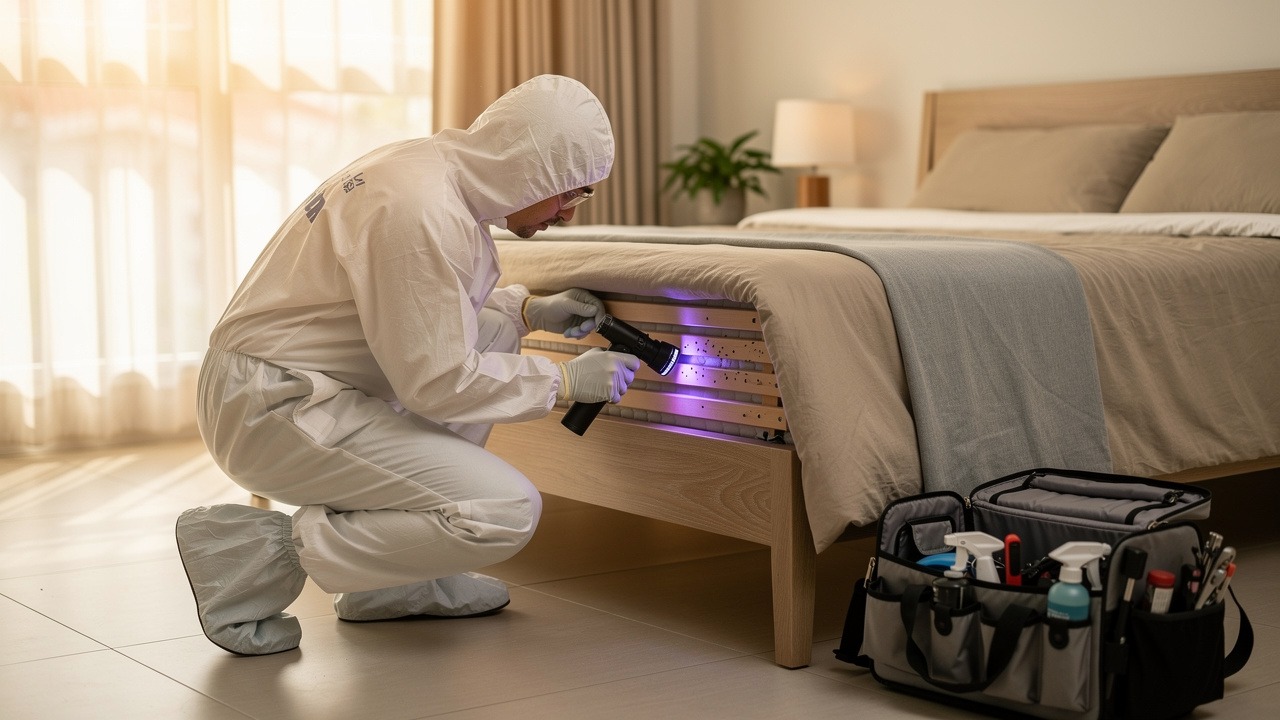
Bed bugs hide in mattresses, causing itchy bites. Check for signs of infestation like dark spots. Professional pest control services target these pests year-round in Singapore’s hot humid weather.
Effective Pest Control Strategies
Effective strategies for rainy season include mosquito control with larvicides and Mosquito Dunks, rodent control by sealing entry points, and cockroaches control through sanitation.
Conduct regular inspections of drains and gardens for standing water. Seal cracks and leaky pipes to block entry points. Landscape maintenance trims overgrown plants that harbor pests.
Improve ventilation and moisture control with dehumidifiers. Store food in airtight containers for better sanitation. Aardwolf Pestkare provides termite control and service guarantees for lasting results.
Use preventive measures like termite baiting for subterranean termites. Regular monitoring spots early pest problems. Trust Aardwolf Pestkare for professional treatments in pest prevention during high humidity levels.
Pests in the Dry Season (February to April)
In Singapore’s dry season from February to April, ants, termites including subterranean termites, and rodents become prominent as they seek water sources amid dust and low moisture. These pests invade homes more aggressively, drawn to any available moisture control points like leaky pipes. Residents often notice increased pest activity around this time.
Ant control becomes essential as colonies expand in search of food and water. Spiders also thrive, spinning webs in drier corners to catch prey. Professional pest control services recommend termite baiting to target subterranean termites before they cause major property damage.
Rodents chew through walls and wiring, while fleas from pets can spread quickly in low-humidity homes. Flea control involves treating infested areas thoroughly, including pet bedding. Regular inspections help spot signs of infestation early, preventing larger issues.
To manage these pests, seal cracks and entry points around doors and windows. Keep food in airtight containers and improve ventilation to reduce appeal. Year-round pest management starts with seasonal planning like this.
Pests in the Hot and Humid Season (May to October)
The Hot Humid Season from May to October in Singapore fuels Termites, Cockroaches, flies, Bed Bugs, and House Flies due to high humidity levels and hot humid weather. This period brings heavy rains that create ideal breeding grounds for these pests. Homeowners often notice increased pest activity around this time.
High humidity promotes rapid pest reproduction, especially for cockroaches and flies that thrive in moist environments. Termites seek out damp wood, leading to potential property damage. Addressing moisture control early helps prevent infestations from worsening.
Effective pest-proofing starts with improving ventilation in kitchens and bathrooms to reduce dampness. Seal cracks and entry points around doors and windows to block flies and bed bugs. Combine this with fly control strategies like installing screens and using traps.
- Clear standing water from gutters and pots to stop mosquito breeding.
- Store food in airtight containers to deter ants and cockroaches.
- Conduct regular inspections for signs of termites in wooden structures.
- Fix leaky pipes promptly to eliminate moisture sources.
Seasonal Pest Challenges in Singapore
Singapore’s seasonal pest challenges, driven by its Tropical Rainforest climate and pest behavior, lead to property damage from Termites and health risks like dengue fever, Zika virus, from Mosquitoes across Rainy Season, Dry Season, and hot humid seasons.
The rainy season creates breeding grounds with standing water, boosting mosquito control needs. Rodents and cockroaches thrive in the damp conditions, spreading diseases such as leptospirosis and salmonellosis. Preventive measures like regular monitoring help spot early signs of infestation.
During the dry season, ants and spiders seek moisture indoors, while hot humid weather fuels termite activity and house fly populations. Subterranean termites cause hidden property damage in the warm climate. Professional pest control services offer year-round pest management tailored to these shifts.
- Conduct regular inspections for entry points and waste buildup.
- Implement pest prevention through sanitation and landscape maintenance.
- Schedule professional treatments for stubborn pest problems like bed bugs or fleas.
Rainy Season Pest Control
Rainy Season Pest Control focuses on eliminating stagnant water, sealing entry points, and improving waste management to curb Mosquitoes and Rodents.
Remove standing water from pots, gutters, and leaky pipes to deny breeding grounds for mosquitoes carrying dengue fever or malaria. Practice sanitation by securing trash bins tightly, as rodents exploit wet season clutter. Landscape maintenance, like trimming overgrown plants, reduces hiding spots for cockroaches and ants.
Seal cracks in walls and doors to block entry points for pests seeking shelter. Use larvicides in unavoidable water collections for added mosquito control. Regular monitoring catches early pest activity, preventing full infestations.
- Clear drains weekly to avoid standing water.
- Store food in airtight containers during the wet season.
- Contact Aardwolf Pestkare, PestBusters, or NEA for Rodent Control and Termites Control.
Hot and Humid Weather Pest Control Singapore
Hot and humid weather pest control in Singapore targets high humidity with moisture control, better ventilation, and professional pest control services.
Fix leaky pipes and use dehumidifiers to lower humidity levels, discouraging cockroaches and house flies. Improve home ventilation by opening windows during cooler evenings, reducing appeal for spiders and fleas. Store grains and pet food in airtight containers to block ant removal needs.
Conduct regular inspections for signs of infestation like droppings or wood damage from termites. Promote residential pest control through pest-proofing screens on windows and doors. Experts recommend professional treatments for persistent issues in the hot humid season.
- Apply moisture control in basements and attics.
- Enhance ventilation to disrupt pest behavior.
- Opt for pest control services with service guarantees for flies and subterranean termites.
Year-Round Pest Management
Year-round pest management in Singapore involves regular inspections and professional treatments with service guarantees from experts like Aardwolf Pestkare to handle termites, rodents, and more beyond seasonal pest control. This approach keeps pest infestations at bay in the tropical climate. Homeowners benefit from consistent protection against common threats like cockroaches and mosquitoes.
Integrating home pest control with professional pest control services ensures comprehensive coverage. Regular monitoring detects signs of infestation early, such as droppings from rodents or trails from ants. Experts recommend combining these with pest-proofing to address pest behavior throughout the year.
In the rainy season, focus shifts to standing water and breeding grounds for mosquitoes, while the dry season targets increased ant activity. Preventive measures like sealing entry points and moisture control prevent issues from escalating. This proactive strategy minimizes health risks like dengue fever or leptospirosis.
Pest-proofing your home includes sanitation practices, such as proper waste management and storing food in airtight containers. Landscape maintenance reduces hiding spots for spiders and flies. Year-round efforts adapt to high humidity and the Lion City’s warm climate for lasting results.
Ongoing Preventive Measures
Ongoing preventive measures like regular monitoring, sanitation, and landscape maintenance are key to minimizing pest infestations in Singapore homes year-round. These steps help counter the tropical climate challenges in the Lion City. Homeowners can stay ahead of pest problems with consistent effort.
Start with sealing entry points around doors, windows, and foundations to block pests like ants and cockroaches. Use airtight containers for food storage to avoid attracting rodents and house flies. Combine this with regular inspections to spot issues early.
Landscape maintenance involves trimming vegetation away from the house and clearing debris that creates hiding spots. Proper waste management keeps garbage sealed and bins clean. These habits support year-round pest management in Singapore’s warm climate.
Experts recommend integrating professional pest control services for thorough checks. This approach reduces health risks from pests like mosquitoes carrying dengue fever. Stay proactive to protect your home effectively.
Be Aware of Seasonal Pests
Stay aware of seasonal pests by recognizing spikes in pest activity and early signs of infestation during rainy, dry, and hot seasons. In Singapore’s tropical rainforest environment, pests thrive differently each season. Knowing these patterns aids seasonal pest control.
During the rainy season or wet season, mosquitoes and flies increase near standing water and breeding grounds. Termites, especially subterranean termites, become active with moisture from leaks. Ants form trails seeking food indoors.
In the dry season, cockroaches and spiders seek water sources inside homes. Hot humid weather boosts bed bugs and fleas in warm spots. Monitor for these shifts to prevent outbreaks.
Track local pest behavior influenced by climate change for better preparation. Use this knowledge for targeted pest prevention, like ant control in wet months. Early awareness keeps infestations at bay.
Watch Out for Signs of Pest Infestation
Watch for signs of infestation like droppings, damage, or unusual pest problems to act fast with professional help. Quick detection in Singapore homes prevents property damage and health risks. Common indicators vary by pest type.
For rodents, look for gnaw marks, nests, and droppings near food areas. Cockroaches leave dark droppings, egg cases, and a musty odor in kitchens. Termites cause mud tubes, hollow-sounding wood, and frass near foundations.
- Check cabinets for rodent droppings shaped like rice grains.
- Spot cockroach egg cases that look like small purses.
- Inspect wood for termite damage with a screwdriver test.
These clues signal the need for rodent control or termite control.
Address signs promptly with pest control services for residential pest control. This stops spread of diseases like salmonellosis from rodents or leptospirosis from cockroaches. Vigilance protects your family.
Keep Up on Cleaning and Maintenance
Keep up on cleaning and maintenance through waste management and sanitation to deter pests effectively. Daily habits in Singapore’s hot humid season reduce attractants for pests. Consistency builds strong home pest control.
Wipe surfaces after meals and sweep floors to eliminate crumbs for ants and cockroaches. Store pantry items in airtight containers and fix spills quickly. Empty trash daily to avoid fly control issues.
- Schedule regular monitoring of high-risk areas like kitchens.
- Trim plants for landscape maintenance to limit pest highways.
- Practice pest-proofing by clearing clutter.
These steps support cockroaches control and overall sanitation.
Combine with professional treatments for lasting results. This ongoing effort minimizes pest infestations year-round. Your home stays safer with routine care.
Repair Leaks
Repair leaks and fix leaky pipes promptly to maintain moisture control and prevent attracting moisture-loving pests. In Singapore’s humid conditions, water issues draw Termites and Cockroaches. Quick fixes are essential for termite prevention.
Inspect faucets, toilets, and pipes monthly for drips. Even small leaks create damp spots ideal for subterranean termites and breeding. Dry areas thoroughly after cleaning.
Address roof or wall leaks to avoid interior moisture buildup. Use sealants on cracks linked to water entry. This supports termite baiting and control efforts.
Pair repairs with pest management checks for comprehensive protection. Reduced moisture lowers risks from pest activity in wet seasons like the Rainy Season. Your property benefits long-term.
Manage Humidity Levels at Home
Manage humidity levels at home with proper ventilation to reduce risks from Hot Humid Season pests. Singapore’s Tropical Rainforest climate fosters high humidity that boosts Mosquitoes and mold issues. Control it for better pest prevention.
Use exhaust fans in bathrooms and kitchens during rainy season. Open windows for cross-breezes when safe. Dehumidifiers help in enclosed spaces prone to dampness.
Eliminate stagnant water from pots or gutters to stop Mosquito Control needs. Apply Mosquito Dunks if necessary in hard-to-dry areas. Monitor with hygrometers for levels above comfortable ranges.
These practices deter flea control and fly control problems too. Good airflow enhances overall residential pest control. Enjoy a drier, pest-free home.
Professional Pest Control Services

Professional pest control services from Aardwolf Pestkare and others like PestBusters compliant with NEA standards provide reliable solutions beyond DIY for all pests in Singapore. These experts handle Termites Control, Rodent Control, Cockroaches Control, and more with targeted treatments. Homeowners gain peace of mind through service guarantees that ensure results.
In Singapore’s tropical climate, pests like mosquitoes and ants thrive due to high humidity. Professionals use professional treatments such as termite baiting and larvicides for mosquitoes breeding in stagnant water. This approach tackles pest infestations at their source, unlike temporary DIY fixes.
Regular inspections by these services spot signs of infestation early, like droppings from Rodents or trails from Ants. They seal entry points, manage moisture control, and advise on sanitation to prevent comebacks. For residential pest control, this year-round pest management fits seasonal needs perfectly.
Experts recommend combining preventive measures with treatments for Rats and Mice carrying diseases like Leptospirosis and Salmonellosis. Services often include Fly Control for House Flies and flea control for pets. With service guarantees, properties stay protected from property damage and health risks.
FAQ
Frequently asked questions about pest control in Singapore cover termite control, mosquito control, rodent control, and more from experts like Aardwolf Pestkare. Homeowners often seek advice on handling common pests in the tropical climate. These queries highlight the need for seasonal planning in residential areas.
Many wonder how high humidity affects pest activity during the rainy season. Pests like cockroaches and ants thrive in moist conditions. Understanding this helps with effective pest prevention.
Others ask about professional pest control services for fly control and ant removal. Experts recommend regular inspections to spot signs of infestation early. This approach ensures year-round pest management.
Questions also touch on health risks from pests, such as dengue fever from mosquitoes or leptospirosis from rodents. Proper sanitation and sealing entry points reduce these dangers. Consulting professionals provides peace of mind.
What pests are most common in Singapore homes during the rainy season?
During the Rainy Season from November to January, Mosquitoes and Rodents become highly active due to standing water and flooding. Cockroaches seek shelter indoors, while subterranean termites exploit moist soil. These conditions create ideal breeding grounds.
House flies multiply near waste, spreading diseases like cholera and salmonellosis. Ants form trails from leaky pipes to food sources. Homeowners notice increased pest infestations in kitchens and bathrooms.
To combat this, focus on mosquito control by removing stagnant water and using larvicides. Rodent control involves sealing cracks and proper waste management. Regular monitoring prevents larger problems.
How does the dry season affect pest behavior in residential areas?
In the Dry Season from February to April, pests like Ants and termites search for moisture, entering homes through tiny gaps. Spiders and Bed Bugs become more noticeable as they hide in dry corners. Hot Humid Season still drives some activity indoors.
Flies and fleas thrive on pets and uncovered food. Termite control requires attention to landscape maintenance to avoid property damage. Ventilation and moisture control keep humidity levels low.
Preventive measures include airtight containers for food and pest-proofing entry points. Professional treatments target these seasonal shifts. This maintains effective pest management.
Why is seasonal planning essential for pest control Singapore residential?
Seasonal pest control accounts for the Lion City’s Tropical Rainforest climate, where wet and dry periods alter pest behavior. Rainy seasons boost mosquito and rodent numbers, while dry spells increase Ant Removal needs. Planning ahead avoids surprise infestations.
Experts recommend cockroach control and Fly Control year-round, with intensified efforts during peak times like May to October. Termite baiting and flea control fit into seasonal schedules. This protects against health risks like Malaria, Zika virus, and Cholera.
Residential pest control services offer service guarantees for ongoing protection. Schedule regular inspections and sanitation routines. Year-round pest management keeps your home safe.
Frequently Asked Questions
Why Pest Control Singapore Residential Requires Seasonal Planning?
In Singapore’s tropical climate, pests like termites, cockroaches, and mosquitoes thrive differently across seasons due to varying humidity and rainfall, especially around festivals like Christmas and Deepavali. Seasonal planning for Why Pest Control Singapore Residential Requires Seasonal Planning ensures proactive treatments by experts like Aardwolf Pestkare, preventing infestations before they peak, such as termite swarming during monsoon periods.
What Makes Seasonal Pest Patterns Unique in Singapore Residential Areas?
Singapore’s wet and dry seasons influence pest behavior—high humidity boosts termite activity, while stagnant water from rains breeds mosquitoes. Understanding Why Pest Control Singapore Residential Requires Seasonal Planning helps residents schedule Aardwolf Pestkare’s targeted termite control and other services to match these cycles, minimizing home damage.
How Does Monsoon Season Impact Residential Pest Control Needs?
During monsoons, flooding creates ideal breeding grounds for pests entering homes. Why Pest Control Singapore Residential Requires Seasonal Planning is crucial to apply preemptive barriers and treatments from Aardwolf Pestkare, protecting your property from termites and rodents that surge in these conditions.
Why Plan Termite Control Seasonally for Singapore Homes?
Termites swarm and colonize more aggressively in humid, rainy seasons. Aardwolf Pestkare emphasizes Why Pest Control Singapore Residential Requires Seasonal Planning by recommending annual inspections and treatments timed to Singapore’s weather, ensuring long-term residential protection with their specialized expertise.
What Are the Risks of Ignoring Seasonal Pest Control in Residences?
Skipping seasonal planning leads to unchecked infestations, costly repairs, and health risks. Learn Why Pest Control Singapore Residential Requires Seasonal Planning through Aardwolf Pestkare’s comprehensive solutions, including cockroach and ant control, to safeguard your home year-round against Singapore’s pest hotspots.
How Can Aardwolf Pestkare Help with Seasonal Residential Pest Management?
Aardwolf Pestkare offers tailored seasonal plans for termite control and more, adapting to Singapore’s climate. Discover Why Pest Control Singapore Residential Requires Seasonal Planning with their professional inspections and eco-friendly treatments, keeping your residence pest-free efficiently.