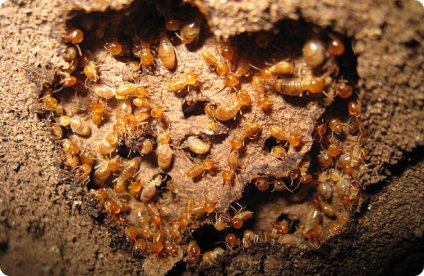
Termites are not like most pests. You cannot simply spray them and expect the problem to go away. A termite colony can have hundreds of thousands of workers operating deep underground or inside walls, and the ones people see are rarely the ones causing the damage.
To remove termites properly, the treatment has to reach the colony itself, including the queen and the young. That is exactly what termite baiting systems are built to do and why many professionals now prefer carefully managed termite baits over quick surface sprays. This guide explains the science behind these systems in clear, simple steps.
Up next, the article covers how bait stations work, why sprays often fall short, what the full baiting process involves, and how Aardwolf Pestkare applies it in Singapore homes and workplaces. Read on to see what to expect before you book a termite inspection.
Key Takeaways
Key points from this termite baiting overview help make fast sense of a technical topic. These highlights give a quick answer before the details appear later. They also show how Aardwolf Pestkare fits into the picture.
- Termite baits use slow acting food that termites share through a food sharing process called trophallaxis (termites feeding one another mouth to mouth), which lets the bait wipe out whole colonies.
- Liquid sprays and soil treatments kill only termites that cross treated areas, so deep nest members often survive and can re‑infest later.
- Professional baiting places termite bait stations in key spots, then monitors and tops up bait until activity drops to zero.
- Singapore’s warm, humid climate keeps subterranean termites active year round, so ongoing baiting and monitoring give steady protection.
- Aardwolf Pestkare pairs termite baits with thermal imaging, clear reporting, and prevention advice in its termite programs.
What Are Termite Baits and How Do They Work?

Termite baits are specialized stations that give worker termites a slow acting food which quietly wipes out the entire colony. These bait systems work by turning termite feeding and sharing habits against the pests themselves. Each station holds a cellulose material, such as wood or compressed fiber, that feels like natural food to a foraging termite.
Around a building, Aardwolf Pestkare technicians install either in‑ground stations in soil or above‑ground boxes directly over mud tubes and damaged timber. Inside sits a cartridge treated with an insect growth regulator (IGR). Common IGRs, such as hexaflumuron or chlorfluazuron, stop termites from forming a new outer shell when they molt, a mechanism supported by research on developing optimal bait formulations for subterranean termite species. The insect may look normal for weeks, but the next molt ends in death.
Here is the key part. Worker termites feed on the bait then return to the nest and share the food mouth to mouth through trophallaxis. They also groom nest mates, which spreads tiny particles of the active ingredient. Because the bait does not kill instantly, many workers, soldiers, and young termites receive a dose before any change in behavior happens.
You can picture the process in four simple stages:
- Discovery – Foraging workers find a bait station and begin to feed on the cellulose inside.
- Sharing – These workers move back through the mud tubes to the nest and share the bait with nest mates.
- Disruption – The IGR interferes with molting, so termites cannot replace their outer shell, and more and more of them die each time a molt should happen.
- Colony collapse – Over weeks and months, the queen and most workers are affected, and the colony stops repairing tunnels or feeding on your wood.
Termites work twenty four hours a day, and a study on area-wide management of subterranean termites confirms that continuous baiting strategies are among the most effective ways to collapse colonies across large zones. That constant activity is also seen in Singapore, especially in subterranean species such as Coptotermes gestroi. These colonies live deep below ground or inside concrete and timber where sprays cannot reach. Termite baits fit neatly into that hidden life, because the termites carry the treatment back to the nest on their own.
Why Liquid Sprays Often Fall Short Against Singapore Termites

Liquid termite sprays often fall short against Singapore termites because they kill only travelers, not the hidden colony that keeps feeding. These treatments focus on contact, not the nest.
In a standard liquid treatment, a contractor drills through tiles or concrete and injects chemical into the soil around the building to form a treated zone. Termites that cross this band die or turn away. That can stop some entry points, yet the main nest sitting deeper in soil or inside structural voids is usually untouched.
A quick comparison between sprays and termite baits highlights these gaps.
| Feature | Termite Bait Systems | Liquid Termiticide Sprays |
|---|---|---|
| Main target | Entire colony through shared bait | Termites that hit treated soil |
| Setup | Stations in soil or on walls | Drilling and high volume soil injection |
| Disruption | Minimal, little noise or dust | Noisy work with patching of floors |
| Long term effect | Ongoing monitoring keeps watch for new attacks | Barrier weakens and can miss fresh colonies |
Singapore’s warm, humid weather keeps subterranean species such as Coptotermes gestroi active all year. They move through expansion joints, plumbing lines, and cable ducts, so a neat ring of chemical in soil cannot block every path. Because bait stations work with termite foraging behavior, they can intercept these hidden routes and reach colonies that sit well away from the treated band, as further detailed in USDA ARS research publications on subterranean termite management.
High‑rise living adds another twist. A large share of Singapore residents live in public housing flats and condominiums, where there is little soil that can be drilled for a barrier. In these stacked blocks, termite baits with above‑ground stations give pest control in Singapore for termites a practical, low disturbance choice. Compact stations can be fixed to walls, beams, or built‑in cabinets without major hacking, which is especially helpful for occupied homes.
Liquid soil treatments still have a place, especially during building construction or as a short term measure around heavy infestations. However, for long term control in Singapore’s mix of high‑rise and landed properties, termite baiting systems often give better coverage and clearer proof that the colony has been removed.
What Does the Termite Baiting Process Actually Look Like?

The termite baiting process follows clear steps so owners know what will happen from first visit to final check. A well managed program usually removes the colony within three to six months, though very large nests can take a little longer. The outline below shows how a professional service in Singapore runs from start to finish.
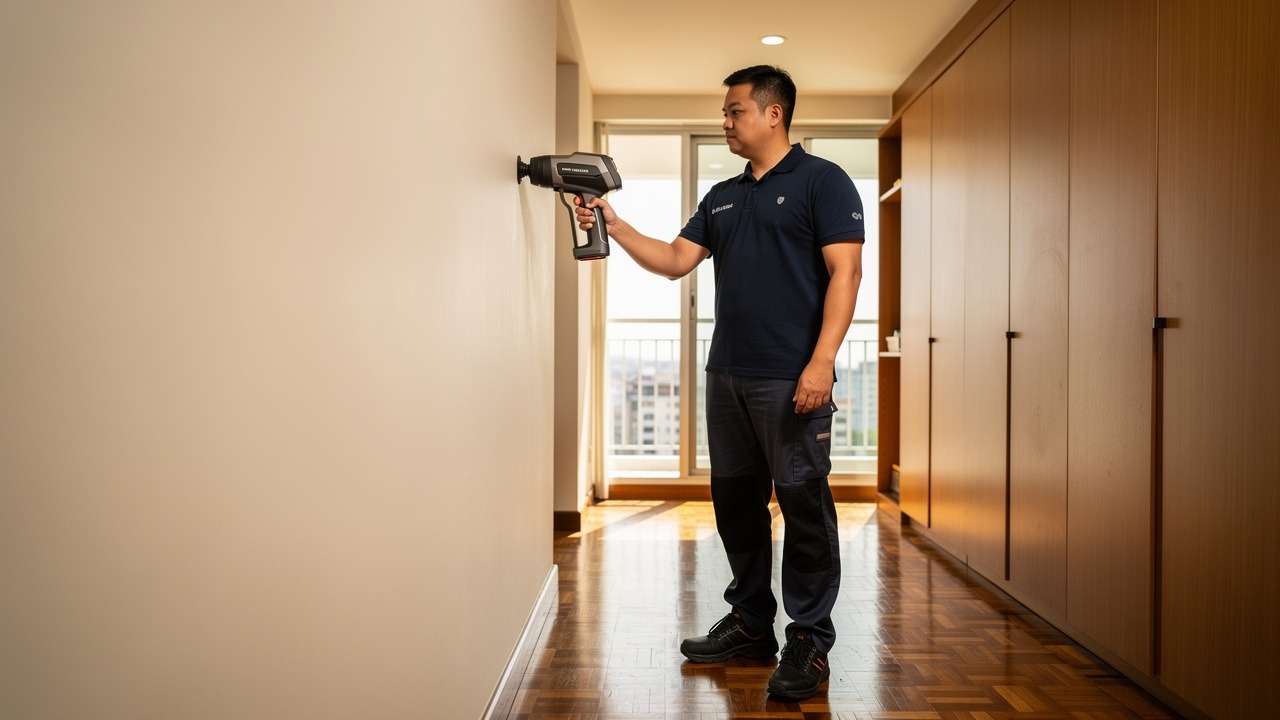
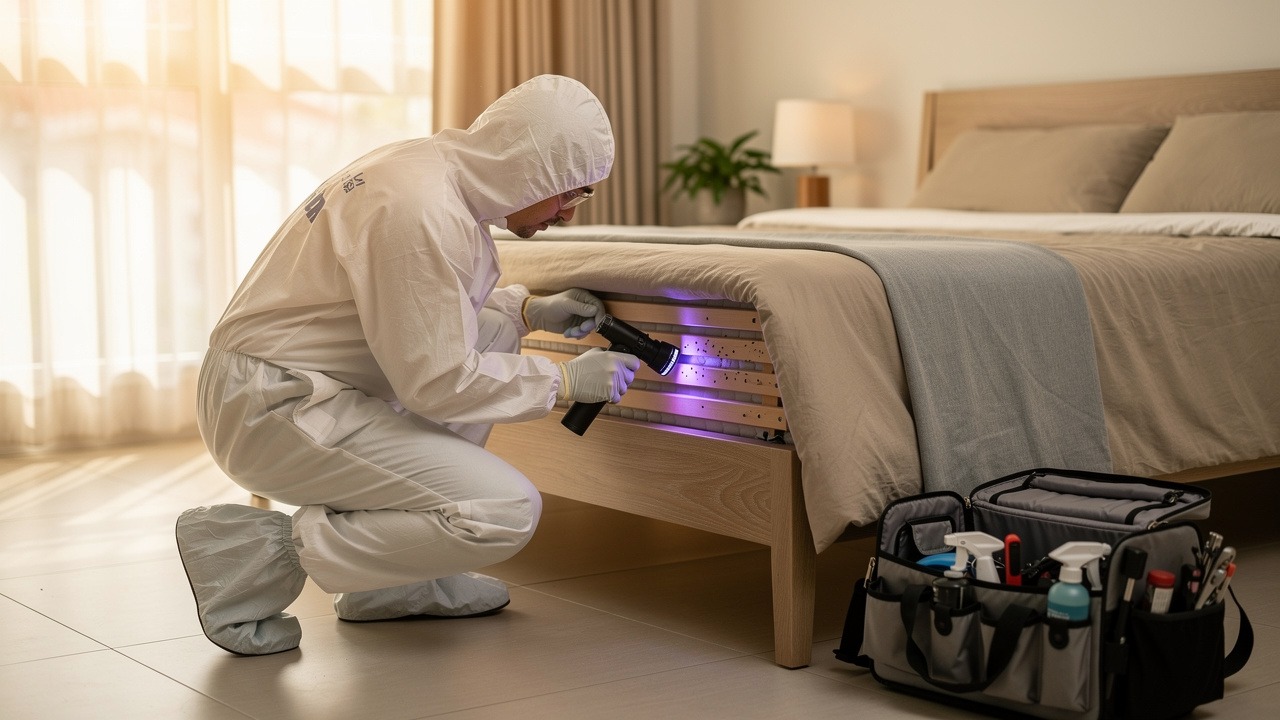
- Thorough inspection of the property comes first. An Aardwolf Pestkare specialist checks skirting boards, timber frames, service ducts, built‑in cupboards, and outdoor soil for mud tubes, hollow wood, and moisture issues. Thermal imaging cameras help reveal hidden termite activity inside walls and ceilings.
- You can expect the inspection to take one to two hours for a typical home.
- At the end, the technician explains where activity was found and which areas are at higher risk.
- Station installation follows the inspection results. In landed homes, in‑ground stations are set into soil around the perimeter at regular spacing, often near known entry points such as porch columns or garden beds. In flats and condominiums, above‑ground stations are fixed over active mud tubes or damaged timber, and every location is recorded on a simple site map.
- Monitoring continues until termites find the stations. During early visits, the technician opens each station to see whether termites have begun feeding on the cellulose inside.
- Once activity appears, the monitoring piece is swapped for bait containing an insect growth regulator, a process informed by research on developing optimal bait formulations that maximize termite attraction and feeding.
- If no activity is seen at first, stations stay in place so that roaming termites can discover them later.
- Active baiting and follow up visits then run for several months. Termites feed on the bait, return to the nest, and share it with nest mates through trophallaxis. At each visit, the technician tops up eaten bait, checks for falling termite numbers, and looks for fresh mud tubes or new damage nearby. Visit intervals are typically four to six weeks, adjusted based on activity levels.
- Confirmation that the colony is gone closes the program. When several rounds of inspection show no live termites in any station and no fresh mud tubes or new damage, baiting at that site can stop. Some owners keep selected stations in monitoring mode as an early warning system, especially in high risk areas such as gardens with mature trees.
Industry experience and Aardwolf Pestkare’s own case records show that bait programs work best when technicians follow these steps closely and visit on schedule. Skipping checks or moving stations without advice can slow the process.
How Aardwolf Pestkare Protects Singapore Homes with Termite Baiting

Aardwolf Pestkare protects Singapore homes and workplaces with termite baits that target the colony, not only termites in sight. The team combines bait technology, careful inspections, and steady monitoring. This mix suits HDB flats, private apartments, landed houses, and commercial buildings across the island. This local focus helps the company give advice that matches Singapore building styles and regulations.
All Aardwolf Pestkare technicians hold National Environment Agency licenses and follow integrated pest management ideas. They use the lowest effective amount of approved chemical, plus nonchemical steps such as sealing entry gaps and drying wet spots. For families with children, seniors, or pets, this safety-first mindset offers welcome peace of mind.
Several parts of the termite baiting program help it stand above simple spray jobs:
- Detailed inspection and station layout planning for each property. Aardwolf Pestkare looks at building age, floor plan, renovation history, and nearby soil before placing any station. Smart placement helps the bait reach termite foraging routes quickly and avoids clutter.
- Ongoing monitoring with clear reporting. After installation, technicians return on an agreed schedule to check stations, refill bait, and watch for new termite signs. Simple visit notes and photos keep owners and property managers updated without technical jargon.
- Warranty and preventive guidance that protect future value. Aardwolf Pestkare backs many termite baiting jobs with a service warranty, subject to site conditions. Advice on fixing leaks, storing wood off the ground, improving ventilation, and planning inspections helps keep termite treatment cost manageable over the years.
Rather than reacting only when damage appears, Aardwolf Pestkare encourages clients to think of termite baiting as part of routine property care. By pairing monitored termite baits with education and support, the company gives Singapore owners a calm, structured path to protect their buildings. Property managers also gain clear records that support building maintenance plans and tenancy requirements.
Final Thoughts: The Smarter Way to Protect Your Home from Termites
Using termite baits is a smarter way to protect a Singapore home than relying on quick spray treatments alone. Bait stations reach the hidden colony, reduce chemical use, and give lasting monitoring that liquid barriers rarely match on their own. Together, these benefits make baiting a long range strategy, not a short burst of control.
Conclusion

Singapore’s warm, humid climate means termites never really rest, so passive hope is not enough. A professional baiting program from Aardwolf Pestkare offers clear steps, measured progress, and calm reassurance.
If you are worried about termites or simply want peace of mind, book a termite inspection with Aardwolf Pestkare and get a detailed assessment of your home or workplace.
Frequently Asked Questions
These answers cover common questions. Singapore owners ask about termite baits. Each reply stands alone, so it can be read without the rest of the guide.
Question 1: How much does termite treatment cost in Singapore?
Termite treatment cost in Singapore depends on property size, construction type, termite species, and how far damage has spread. Baiting, liquid treatment, or a mix each carry different prices. Aardwolf Pestkare provides competitive, clear quotations after inspection so owners pay only for needed work, and can compare baiting with other methods.
Question 2: How long does it take for termite baits to eliminate a colony?
Most termite bait systems remove a colony in about three to six months. Small nests may clear faster, huge colonies a little slower. The slow action lets bait reach the queen and many workers before termites sense trouble. Aardwolf Pestkare technicians explain the expected timeline after the first few visits, once they see how strongly the termites are feeding.
Question 3: Are termite bait systems safe for children and pets?
Yes, modern bait systems that use insect growth regulators are considered very safe for children and pets, a safety profile supported by USDA ARS research publications evaluating IGR-based termite control compounds. These ingredients disrupt molting only in insects and are applied in tiny amounts. Aardwolf Pestkare also locks bait inside sturdy stations to limit direct contact, and places them where curious hands and paws are less likely to reach.
Question 4: Can termite baiting be used in HDB flats and condominiums?
Termite baiting suits HDB flats and condominiums because above‑ground stations do not need soil access. Aardwolf Pestkare fixes compact boxes over mud tubes or damaged wood, even on higher floors. This method brings professional pest control in Singapore for termites into high rise homes with little disruption, no noisy drilling, and minimal dust.
Question 5: What are the early signs of termites in a Singapore home?
Early termite signs in a Singapore home often look minor at first:
- Mud tubes on walls or skirting and hollow sounding timber
- Discarded wings near windows, blistering or bubbling paint, and small heaps of frass like fine sand
Seeing any of these signs means a prompt inspection from Aardwolf Pestkare is wise. Early termite detection keeps damage and treatment cost lower and gives more options for long term baiting and monitoring.