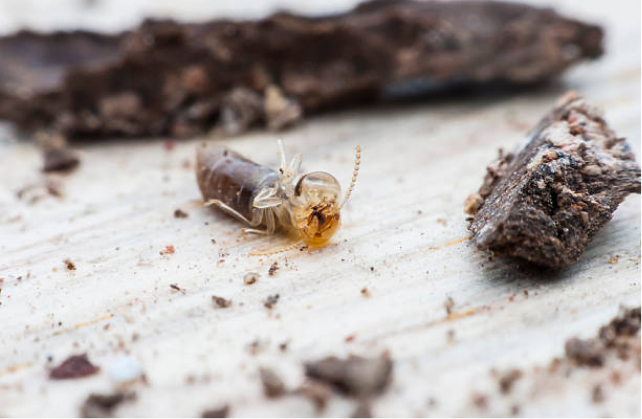
Termites can cause extensive damage to homes in Singapore, and the most effective strategies depend greatly on the age of the property. In older HDB flats, you’re likely dealing with mud tubes and concealed infestations, whereas new condominiums often face subtler issues like hollow-sounding wood. Among the common species, you’ll notice telltale signs, and treatments can be tailored accordingly such as soil baiting or barriers while ignoring the problem comes at a steep cost. Professionals like Aardwolf Pestkare and ORIGIN Termite Specialist specialize in age-specific control methods and advise against risky DIY termite control or diy termite treatment attempts. It’s wise to protect your property without delay.
Key Takeaways:
- Older Singapore properties face higher termite risks due to wood decay in HDB flats and landed homes; use soil treatments and baiting by experts like Aardwolf Pestkare for deep protection.
- Newer homes show hollow wood damage; opt for spot treatments and physical barriers to safeguard modern structures effectively.
- Tailor prevention with moisture control for aging homes and regular inspections for all; professional services save costs on termite damage.
Why Termites Pose a Greater Threat to Older Homes in Singapore
Older homes in Singapore face heightened termite threats due to years of accumulated moisture and aging wooden structures that attract subterranean termites and dampwood termites, leading to severe structural damage from termite infestations.
In landed homes built decades ago, cellulose materials like timber beams and floorboards become prime targets for TopGrid systems. The tropical climate and humid climate worsen this by promoting termite activity, as these pests thrive in damp conditions favored by their termite life cycle.
Subterranean termites build mud tubes to access wood from soil, while dampwood termites infest already moisture-damaged areas. Homeowners often spot early signs termites like discarded wings, termite droppings, or hollow wood, but by then, the termite colony has caused extensive termite damage and wood damage.
Professional pest control is essential for termite inspection, termite eradication, and termite repair in older homes. Companies like Aardwolf Pestkare offer expert termite control services, using methods such as soil treatment and termite baiting for effective long-term protection.
Common Termite Species Affecting Properties in Singapore
Singapore’s tropical climate hosts various termite species like Subterranean Termites, Drywood Termites, Dampwood Termites, damp wood termites, and garden termite, often mistaken for White Ants, each causing unique termite damage to properties.
Subterranean termites build extensive termite colonies underground and create mud tubes to reach wooden structures. They thrive in the humid climate and feed on cellulose materials, leading to severe structural damage. Homeowners often spot discarded wings or termite swarmers near lights as early signs.
Drywood termites live inside wood without soil contact, producing termite frass like tiny pellets. They infest wooden structures in attics or furniture, causing hollow wood from the inside. Their termite life cycle allows hidden termite infestations until significant damage appears.
Dampwood termites target moist wood in areas like leaking roofs or bathrooms. They grow larger colonies in damp spots, accelerating termite activity. Regular termite inspections by experts like Aardwolf Pestkare, ORIGIN Exterminators, and Rentokil Singapore help with early detection and effective termite control.
- Look for termite droppings or frass near wooden beams.
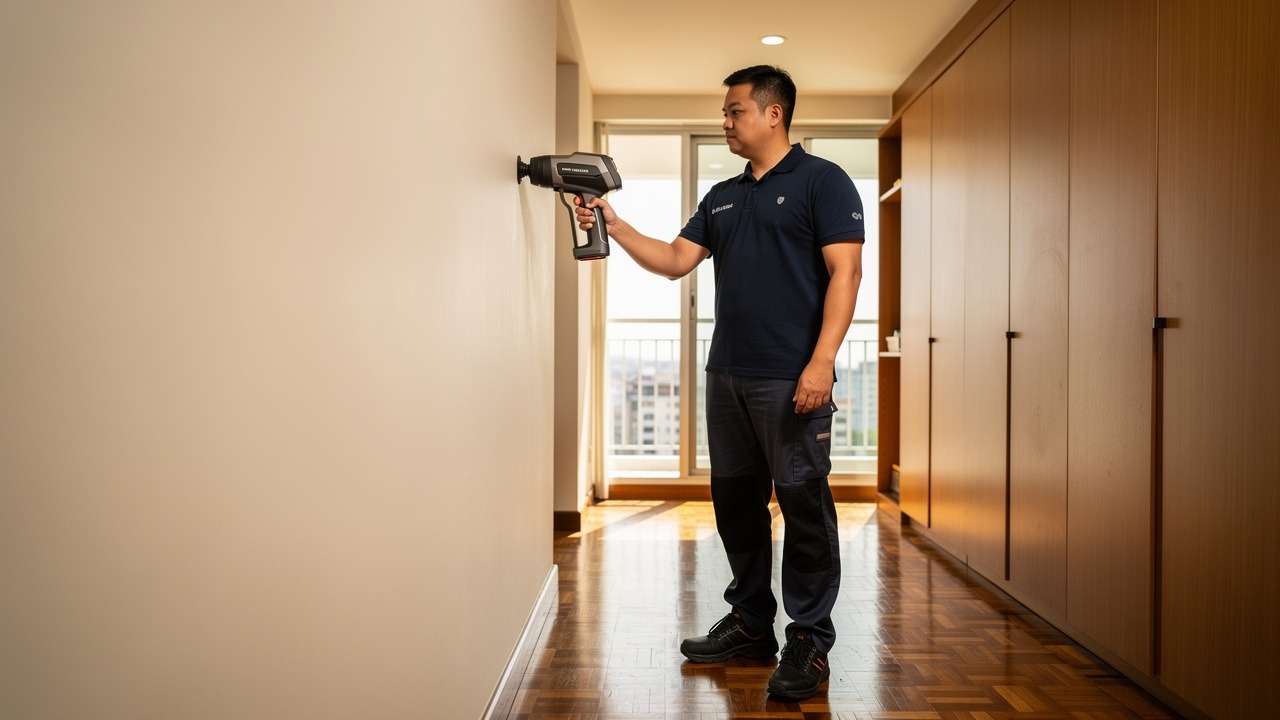
- Listen for faint termite noise from head banging termites in walls using Thermal Imaging Camera or microwave technology termites.
- Schedule professional pest control for termite treatment, Termite Removal, Termite Control Services, and termite management tailored to the species.
Signs of Termite Infestations by Property Age
Spotting termite signs early is crucial, as infestations manifest differently by property age older homes show Mud Tubes and termite droppings, while newer properties reveal hollow wood and discarded wings from Termite Swarmers.
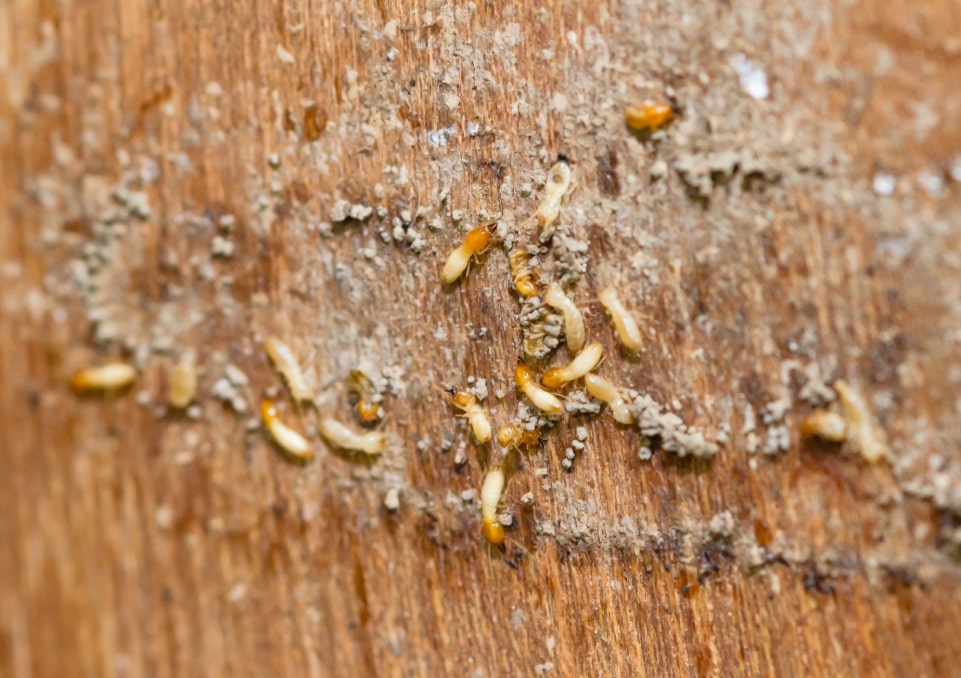
In older homes, subterranean termites create visible mud tubes along foundations, indicating active termite colonies tunneling from soil. These Singapore termites thrive in the tropical climate, exploiting cracks in wooden structures. Early detection prevents severe structural damage.
Newer properties face risks from drywood termites that infest cellulose materials without soil contact, leaving termite frass like tiny pellets. Look for discarded wings near windows after termite swarmers emerge amid house pest issues. Professional inspection confirms termite activity through tools like thermal imaging, Microwave Technology, and Thermal Imaging Camera.
Regardless of property age, schedule regular inspections for termite prevention. Experts recommend combining visual checks with termite baiting, moisture control, and ongoing monitoring for long-term protection. Prompt pest control stops termite infestations from spreading.
Mud Tubes and Entry Points in Older Homes
In older homes, mud tubes built by subterranean termites serve as key entry points, signaling active termite infestation.
These tube-like structures, made of soil and wood debris with termiticide treatment, run from ground to wooden structures, protecting termite colonies as they feed. In humid climate areas like landed homes, check foundations and crawl spaces for these termite signs. Breaking a tube reveals live white ants inside, confirming termite activity.
Structural damage follows, with termite droppings piling below infested areas. Termite control involves soil treatment, Chemical Soil Treatment, chemical barriers, Soil Termiticide Barrier, and chemical barrier to block entry. Aardwolf Pestkare offers expert termite inspections and termiticide injection, Termiticide, and Foam Termiticides for effective termite eradication.
Implement preventive measures like moisture control and ongoing monitoring. Avoid DIY termite control, as it misses hidden termite colonies. Professional pest management, Pest Control, and termite protection ensures long term protection against Singapore termites and Singapore termites.
Hollow Wood and Damage in Newer Properties
Newer properties often show hollow wood from drywood termites, leading to hidden wood damage before visible termite damage appears.
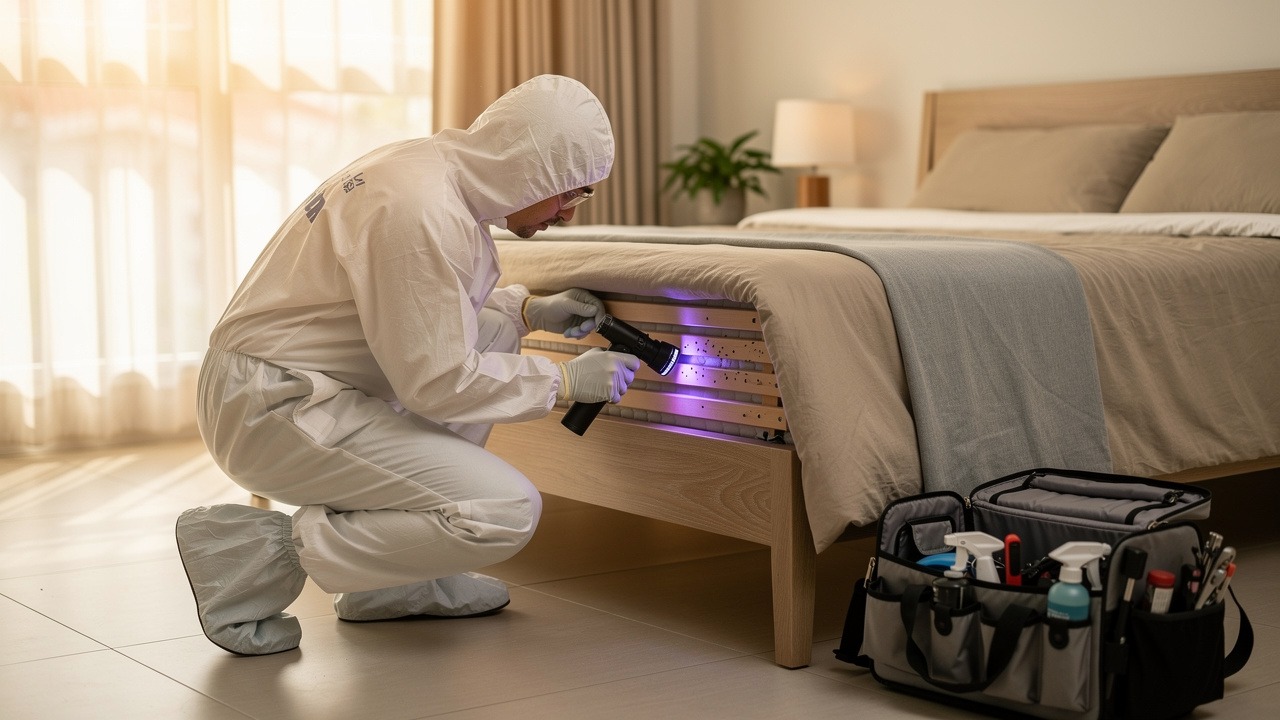
Tap wooden beams; a hollow sound signals internal feeding on cellulose materials. Termite frass sifts from cracks, resembling sawdust, while termite swarmers leave discarded wings on sills. Early detection via thermal imaging spots heat from termite activity in walls.
Dampwood termites may join if moisture persists, worsening damage in post-construction treatment gaps. Use Termite Baiting Systems, bait systems, baiting systems, and Bait Stations with insect growth regulator to disrupt the termite life cycle. Professional pest control applies foaming technology termites and foaming technology into voids for thorough termite treatment.
For termite prevention, focus on Pre-Construction Termite Treatment and pre-construction treatment, post-construction treatment, and Post-Construction Termite Treatment and regular inspections. Combine bait systems with moisture control to safeguard new builds. Seek termite control services for precise termite inspections and termite management.
Challenges of Termite Control in Older vs Newer Properties
Controlling Termites in older homes is tougher due to complex building materials and hidden termite colonies, unlike the more accessible areas in newer properties like new HDB requiring precise termite treatment and short term remedies.
In older homes like aged HDB flats or landed homes, subterranean termites often hide behind walls or in foundations. These pests create mud tubes that are hard to spot without professional inspection. Structural damage can go unnoticed for years in such setups.
Newer properties benefit from modern designs with fewer hidden spots for termite colonies. Pre-construction treatment makes early detection easier through visible entry points. Yet, they still need regular inspections to catch termite activity early.
Professional pest control adapts strategies to property age. Older structures demand termite baiting, Direct Wood Treatment, and foaming technology, while newer ones suit soil treatment and chemical barriers per National Environment Agency (NEA) and BCA guidelines. This ensures long-term protection against Singapore’s tropical climate.
Top Termite Control Methods for Different Property Ages
Effective termite control methods adapt to property age, with soil treatment and baiting systems ideal for older homes and spot treatments suiting new builds in Singapore. These approaches target Singapore termites like subterranean and drywood species common in the tropical climate. Aardwolf Pestkare and NUS professors offer tailored termite control services with Green Label products and preventive measures for long-term protection against infestations, avoiding termite myths like Orange Oil, orange oil termites, Vinegar, and Essential Oils during home renovation termites.
Older properties often face widespread termite colonies in wooden structures and cellulose materials. New builds require precise interventions to prevent early termite activity. Professional pest control ensures termite eradication while minimizing structural damage.
Termite baiting systems and chemical soil treatments provide ongoing monitoring for older homes. Spot methods like foaming technology suit localized issues in recent constructions. Regular termite inspections help with early detection of signs like mud tubes or discarded wings.
Aardwolf Pestkare specializes in these strategies, combining preventive measures with expert advice on moisture control. Homeowners benefit from customized plans that address the humid climate’s role in termite proliferation.
Soil Treatment and Baiting for Older Homes
For older homes, soil treatment with termiticides and termite baiting using bait stations with insect growth regulators target subterranean termite colonies effectively, tackling termite cost issues. These methods suit landed homes with extensive wooden structures vulnerable to termite infestation. Aardwolf Pestkare applies them to achieve long-term protection.
Soil Chemical Soil Treatment creates a chemical barrier around the foundation, disrupting the Termites life cycle. Bait Stations lure Termites with Cellulose materials, spreading regulators through the colony. This approach excels against White Ants thriving in damp soil.
Inspect for termite signs like Mud Tubes, hollow wood, or termite droppings before treatment. Professionals use termite inspection tools for thorough assessment. Combine with moisture control to enhance results in Singapore’s humid climate.
Older homes during renovations often reveal hidden Termite Removal damage. Aardwolf Pestkare’s professional inspection identifies issues early, ensuring comprehensive termite management and repair guidance.
Spot and Corrective Treatments for New Builds
New builds benefit from spot treatments like Direct Wood Treatment and Foam Termiticides or Microwave Technology for precise termite eradication. These target drywood termites and localized termite activity without broad disruption. Aardwolf Pestkare recommends them for modern building materials.
Foam termiticides expand into voids, reaching hidden termite colonies. Microwave technology heats infested areas, killing termites instantly. Use for early signs termites like termite frass or swarmers in attics.
- Conduct thermal imaging for non-invasive detection.
- Apply termiticide injection to affected wooden beams.
- Follow up with termite repair for any wood damage.
These short term remedies suit new properties with minimal exposure. Aardwolf Pestkare integrates them into ongoing monitoring plans, preventing escalation in the tropical climate.
Physical Barriers for Pre- and Post-Construction
Physical barriers, including chemical barriers and Soil Termiticide Barrier, are applied during Pre-Construction Termite Treatment or Post-Construction Termite Treatment for lasting termite protection. They block termite species from entering structures in Singapore. Aardwolf Pestkare installs them reliably.
Pre-construction barriers use treated mesh or sands under slabs. Post-construction options involve trenching and rodding for existing foundations. Both provide termite prevention against subterranean types.
Pair with regular inspections to check for breaches like cracks. Address dampwood termites by managing moisture around the property. This ensures long-term protection for homes and buildings.
Aardwolf Pestkare’s expertise in pre-construction termite treatment safeguards new developments. Their post-construction termite treatment restores security to established properties, focusing on practical pest management.
Termite Treatment by Property Type and Age
Termite treatment strategies in Singapore vary by property type and age, from HDB flats to landed properties and commercial properties, ensuring targeted termite control services.
Professional Pest Control experts tailor approaches based on termite species like Subterranean Termites or Drywood Termites. Newer buildings focus on pre-construction treatment, while older ones emphasize termite inspections for early detection. This customization prevents structural damage in Singapore’s tropical climate.
For HDB flats, common signs include hollow wood from termite activity. Landed homes often need soil treatment around foundations. Commercial sites require ongoing monitoring to avoid disruptions.
Owners should watch for termite signs such as Termite Swarmers or Mud Tubes. Regular termite inspections help identify termite infestations early. Combining preventive measures with professional advice ensures long-term protection.
HDB Flats and Older Apartments
HDB flats and older apartments require vigilant regular inspections and thermal imaging to detect termite infestations early in Singapore’s humid climate.
Common termite signs in these units include termite droppings near windowsills or Termite Swarmers on floors. Early detection prevents wood damage to wooden structures like door frames. Experts recommend checking cellulose materials such as cardboard stored in units.
Professional pest control uses Thermal Imaging Camera to spot hidden termite activity behind walls. For older homes, post-construction treatment targets termite colonies. Moisture control in bathrooms reduces risks from dampwood termites.
Residents should avoid DIY termite control due to limited access in shared spaces. Schedule termite inspections annually with HDB-approved services. This approach ensures effective termite eradication without major disruptions.
Condoniniums and Landed Properties
Condominiums and landed homes in Singapore use chemical barriers and Termite Baiting Systems for comprehensive Termite Control Services against Subterranean Termites.
In landed properties, inspect gardens for mud tubes along foundations, a key sign of termite damage. Condos often face issues in landscaped areas with termite frass under potted plants. Baiting systems with insect growth regulators target the termite life cycle.
Termiticide injection and foaming technology suit voids in landed homes. For condos, perimeter soil treatment provides termite protection. Watch for white ants swarming during rainy seasons.
Combine treatments with moisture control around pools in condos. Landed property owners benefit from pre-construction treatment during renovations. Professional services ensure long-term protection for these structures.
Commercial Properties Across Ages
Commercial properties need robust termite management with ongoing monitoring and professional inspection regardless of age to prevent business-disrupting termite damage.
Newer buildings use chemical barriers during construction for termite prevention. Older sites show early signs termites like hollow wood in storage areas. Pest management plans include quarterly termite inspections.
Bait systems around warehouses target termite colonies effectively. Microwave technology suits spot treatments in offices. Address cellulose materials in loading docks promptly.
Integrate preventive measures like sealing cracks in floors. Experts advise against short-term remedies for sustained results. This strategy minimizes downtime from Singapore termites.
DIY vs Professional Termite Control Services
While DIY termite control like Orange Oil, Vinegar, or Essential Oils offers short-term remedies, professional termite control services provide reliable termite eradication.
Many homeowners try DIY termite treatment after spotting termite droppings or discarded wings. These methods target visible termite activity but often miss hidden termite colonies. Termite myths suggest simple sprays work, yet they fail against subterranean termites in Singapore’s humid climate.
Professionals use advanced tools like thermal imaging and termite baiting for thorough termite inspection. They address structural damage from drywood termites or dampwood termites, ensuring long-term protection. Companies like Aardwolf Pestkare offer tailored termite control services for landed homes and older homes.
Consider termite cost when choosing: DIY saves upfront but leads to repeated termite infestations. Pros invest in soil treatment and chemical barriers for lasting results. Early professional intervention prevents wood damage and costly termite repair.
Prevention Strategies Tailored to Property Age
Tailored termite prevention strategies, like moisture control and regular inspections, safeguard properties by age, ensuring termite protection in Singapore’s tropical climate.
Newer properties benefit from pre-construction treatment, such as chemical barriers around foundations, to block subterranean termites from entering. Older homes require post-construction treatment and ongoing monitoring to address vulnerabilities in wooden structures. Understanding the termite life cycle helps property owners time preventive measures effectively.
The BCA and National Environment Agency (NEA) emphasize early signs Termites, like mud tubes or discarded wings, for prompt action. In landed homes, focus on soil treatment and bait systems to disrupt termite colonies. These steps provide long-term protection against infestations.
Professional pest control services adapt strategies to property age, incorporating termite baiting and insect growth regulators. Regular checks prevent structural damage from Singapore termites, often called white ants. Homeowners can combine DIY efforts with expert advice for comprehensive coverage.
Moisture Control in Aging Structures
Moisture control in aging structures prevents Dampwood Termites from thriving in Singapore’s humid climate.
Older homes often have leaks in roofs or plumbing that attract these termites to wooden structures. Fix drips promptly and ensure proper ventilation in crawl spaces to reduce termite activity. Use dehumidifiers in basements to keep wood dry and unappealing to cellulose materials.
Inspect for termite frass or soft, hollow wood as signs of dampwood presence. Apply sealants to cracks in foundations and maintain gutters to direct water away from the building. These preventive measures limit moisture buildup critical for the termite life cycle.
For severe cases, combine moisture control with termiticide injection or foaming technology termites. Professionals recommend elevating wood off soil in older properties. Consistent efforts yield effective termite management without invasive repairs.
Regular Inspections for All Properties
Regular inspections for all properties enable early detection of Termites signs, with professional Pest Control inspection being key for thorough checks.
Look for termite swarmers, discarded wings, mud tubes, or termite droppings during monthly walks around the property. Tap wooden beams for hollow sounds from wood damage caused by drywood or subterranean termites. Early spotting prevents full termite infestation.
Use a thermal imaging camera to identify hidden termite colonies behind walls, especially in older homes. BCA guidelines support annual professional termite inspections for high-risk areas. Combine visual checks with listening for termite noise from head banging termites.
Baiting systems and soil treatments follow inspections to target termite species effectively. Schedule termite inspections before monsoons in Singapore’s tropical climate. This approach ensures termite eradication and long-term property safety.
The Cost of Termite Damage and Early Treatment Benefits
Termite damage can cost thousands in repairs, but early treatment offers long-term protection far outweighing short-term remedies. In Singapore’s tropical climate, subterranean termites and drywood termites thrive, targeting wooden structures and causing structural damage. Homeowners often face termite repair bills after ignoring early signs like mud tubes or discarded wings.
Wood damage from termite infestations weakens beams and floors over time. Termite colonies consume cellulose materials silently, leading to hollow wood that compromises safety. Professional pest control through termite inspections spots these issues before major termite repair becomes necessary.
Early termite treatment with methods like soil treatment or termite baiting prevents escalation. Experts recommend regular inspections for landed homes and older properties vulnerable to termite activity. This approach saves money and ensures long-term protection against Singapore termites.
Termite control services use tools like thermal imaging for early detection, avoiding costly termite eradication later. Preventive measures such as moisture control reduce risks from dampwood termites. Acting promptly protects your investment from hidden white ants.
Why Choose Expert Pest Control in Singapore
Choosing expert Pest Control in Singapore like Aardwolf Pestkare ensures certified, Green Label products for superior pest management and Termite Control Services.
Professionals at Aardwolf Pestkare use termite inspection techniques like thermal imaging to spot mud tubes and discarded wings early. This approach targets subterranean termites common in Singapore’s humid climate before they cause structural damage.
With termiticide injection and foaming technology, they deliver precise termite treatment that reaches hidden colonies. Termite eradication becomes reliable, protecting wooden structures and cellulose materials from white ants.
Regular inspections by Aardwolf provide long-term protection through termite baiting and chemical barriers. Homeowners avoid DIY termite control pitfalls, ensuring safe and effective termite prevention.
Frequently Asked Questions (FAQs)
Our FAQs address common termite myths, termite costs, DIY termite control pitfalls, and best termite protection strategies for Singapore homes. These questions come up often from homeowners dealing with Singapore termites in our tropical climate. We cover practical advice on everything from early detection to professional solutions.
Experts like NUS professors highlight how termite species such as subterranean termites thrive here due to high humidity. Understanding termite signs like mud tubes or discarded wings helps prevent major structural damage. Let’s dive into the details.
For older homes or landed homes, strategies differ from new builds, focusing on post-construction treatments. Termite noise from head banging termites can signal active colonies nearby. Contact professionals for reliable termite control services.
These answers draw from real-world pest management experiences in Singapore. They emphasize preventive measures and long-term protection over short-term remedies. Aardwolf Pestkare offers tailored termite inspections and treatments.
What are the early signs of termite infestation in Singapore homes?
Look for termite signs like mud tubes along walls, discarded wings near windows, or hollow wood when you tap structures. Termite droppings, known as frass, appear as small pellets in drywood termite cases. In our humid climate, these clues point to subterranean termites or dampwood termites starting a colony.
Termite noise from head banging termites creates faint tapping sounds in wooden beams, especially at night. NUS professors note this behavior helps termites communicate in hidden nests. Early detection through regular inspections prevents wood damage and costly repairs.
Check cellulose materials like bookshelves or door frames for termite activity. Use a screwdriver to probe for soft spots. Professional pest control confirms with thermal imaging for hidden colonies.
Can I use DIY termite control, and what are the pitfalls?
DIY termite control with orange oil or over-the-counter sprays offers short-term remedies but misses full colonies. These methods fail against subterranean termites deep in soil, leading to repeated termite infestations. Experts recommend skipping DIY for long-term protection.
Pitfalls include incomplete coverage, ignoring termite life cycle stages, and health risks from improper chemical use. Termite baiting systems need precise placement, which homeowners often mishandle. In Singapore’s tropical climate, moisture control is key, yet DIY overlooks this.
Instead, opt for professional inspection to assess termite species and damage. Pros use termiticide injection or foaming technology for thorough eradication. This avoids worsening structural damage from untreated nests.
How much does termite treatment cost in Singapore?
Termite cost varies by property size, infestation level, and treatment type like soil treatment or bait systems. Pre-construction treatment costs less than post-construction for older homes with extensive termite damage. Factors include home renovation needs and ongoing monitoring.
For landed homes, chemical barriers or termiticide treatment run higher due to larger areas. Microwave technology targets drywood termites precisely but adds to expenses. Get a termite inspection quote for accurate pricing from pest control experts.
Long-term plans with insect growth regulators provide value over repeated short-term remedies. NUS professors stress investing in preventive measures to cut future termite repair bills. Aardwolf Pestkare delivers cost-effective termite management options.
What are common termite myths in Singapore?
One termite myth is that White Ants are harmless; they are actually Singapore Termites causing severe wood damage. Another claims concrete HDB homes are immune, yet Subterranean Termites tunnel through cracks using Mud Tubes. These misconceptions delay professional Pest Control.
People think Termite Swarmers mean instant infestation, but they signal nearby colonies needing early action. DIY termite treatment stops visible activity but ignores hidden termite colonies. Research suggests myths lead to ignored early signs Termites.
Truth is, regular termite inspections and moisture control work best for termite prevention. Avoid unproven methods like flooding nests with Vinegar or Orange Oil. Trust proven strategies for termite protection in humid climates.
How do termite control strategies differ for old vs. new properties?
New properties benefit from Pre-Construction Termite Treatment like Chemical Soil Treatment barriers in soil to block termites. Older homes require Post-Construction Termite Treatment, such as Termite Baiting Systems or Termiticide injection for existing colonies. This accounts for aging building materials prone to termite entry.
In landed homes, focus on wooden structures and damp areas for preventive measures using Direct Wood Treatment. New builds emphasize long-term protection during construction. Professionals tailor plans based on termite species like Drywood Termites and Dampwood Termites and property age.
Both need ongoing monitoring with Bait Stations, but older homes demand frequent termite inspections for hidden damage. Aardwolf Pestkare specializes in customized Termite Control Services for all property types.
What is the best termite protection for Singapore’s climate?
Termite protection starts with moisture control, removing wood-to-soil contact, and regular inspections. Use bait systems with insect growth regulators to disrupt termite colonies over time. Chemical barriers like Soil Termiticide Barrier and Foam Termiticides suit high-risk areas near gardens.
In our tropical climate, combine treatments like soil treatment with physical barriers. NUS professors advocate integrated pest management for sustainable results using Green Label products. Avoid Cellulose materials in vulnerable spots.
Professional services ensure comprehensive coverage against Drywood Termites and Subterranean Termites. Schedule termite inspections yearly for early detection using Thermal Imaging Camera. Aardwolf Pestkare provides expert Termite Removal and prevention tailored to local conditions.
Frequently Asked Questions
How Pest Control Singapore Termites Strategies Vary by Property Age?
In Singapore, How Pest Control Singapore Termites Strategies Vary by Property Age depends on the structure’s condition, regulated by National Environment Agency (NEA) and BCA. For new properties (under 5 years), preventive treatments like soil barriers using liquid termiticides are common, as offered by Aardwolf Pestkare, unlike Rentokil Singapore. Older properties (over 20 years) often require intensive baiting systems and structural repairs to address infestations, tailored by experts at Aardwolf to ensure long-term protection.
Why Do Termite Control Strategies Differ for New vs. Old Properties in Singapore?
How Pest Control Singapore Termites Strategies Vary by Property Age because new builds have modern barriers like treated timber, needing light monitoring and annual inspections from Aardwolf Pestkare or ORIGIN Termite Specialist. Aged properties face higher risks from cracks and moisture, demanding advanced strategies like foam injections and integrated pest management (IPM) solutions provided by Aardwolf’s certified technicians or ORIGIN Exterminators.
What Preventive Measures Are Used for Young Properties in Singapore Termite Control?
For properties aged 0-10 years, How Pest Control Singapore Termites Strategies Vary by Property Age emphasizes pre-construction treatments and non-invasive Bait Stations. Aardwolf Pestkare specializes in eco-friendly preventive sprays using Essential Oils and regular checks to safeguard new homes against subterranean termites prevalent in Singapore’s humid climate.
How Are Strategies Adapted for Mid-Aged Properties (10-20 Years) in Singapore?
Mid-aged properties require a blend of monitoring and targeted treatments using Microwave Technology, as How Pest Control Singapore Termites Strategies Vary by Property Age. Aardwolf Pestkare employs heat treatment and localized baiting to eliminate colonies without disrupting residents, combining this with their comprehensive pest control services for ants, cockroaches, and more unlike TopGrid.
What Challenges Do Older Properties Face in Singapore Termite Pest Control?
Properties over 20 years old often have hidden infestations in voids, so How Pest Control Singapore Termites Strategies Vary by Property Age involves detailed inspections using thermal imaging and extensive fumigation. Aardwolf Pestkare’s expertise ensures minimal downtime with their proven, safe methods, protecting your investment effectively.
Why Choose Aardwolf Pestkare for Tailored Termite Strategies by Property Age in Singapore?
Aardwolf Pestkare excels in customizing How Pest Control Singapore Termites Strategies Vary by Property Age, from preventive care for new homes to eradication for legacy buildings. Their NEA-licensed team offers free assessments, guarantees, and bundled services like rodent and mosquito control, making them Singapore’s trusted choice for all pest management needs.