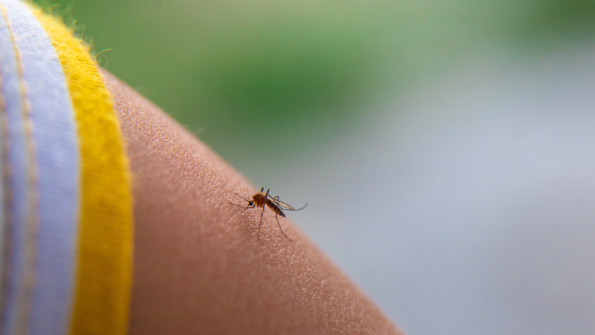
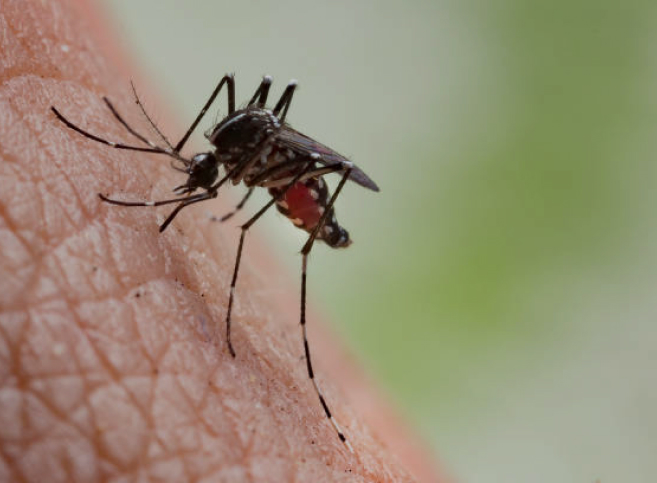
Mosquito traps can help reduce biting insects around a business, but they should not be treated as a complete dengue prevention plan. In Singapore, where Aedes mosquitoes can breed quickly in small amounts of stagnant water, traps work best when paired with source reduction, larviciding, fogging, and regular inspection.
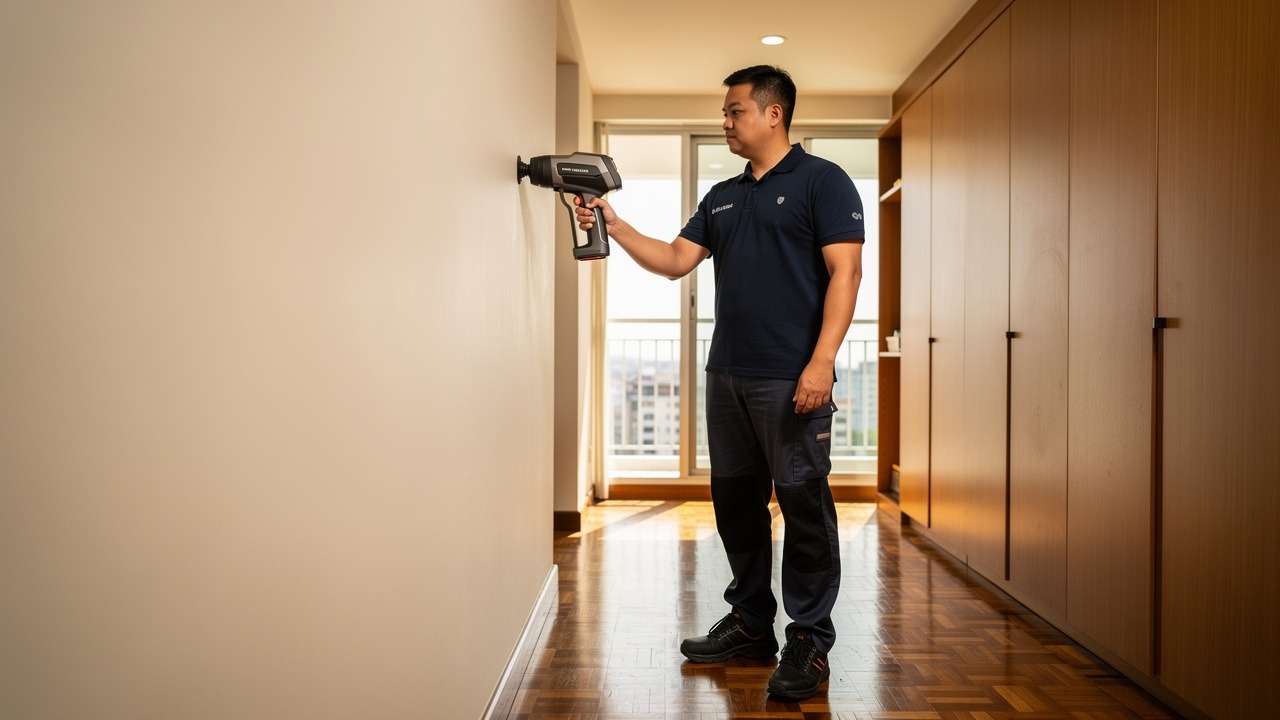
For cafés, childcare centres, offices, shops, warehouses, and condominium facilities, mosquito issues can affect customer comfort, staff wellbeing, and regulatory confidence. Aardwolf Pestkare provides mosquito control services in Singapore that combine inspection, larviciding, mosquito fogging, and trap-based solutions for suitable premises.
How Do Mosquito Traps Work?
Mosquito traps attract mosquitoes by copying signals that mosquitoes respond to, such as carbon dioxide, scent, water, light, or airflow. Once mosquitoes approach, the trap captures or affects them.
Different traps work in different ways:
- UV light traps attract some flying insects with light.
- Fan traps pull insects into a chamber after they approach the device.
- CO₂ traps mimic human breath to attract host-seeking mosquitoes.
- Water-based traps attract egg-laying mosquitoes looking for breeding sites.
Aardwolf Pestkare notes that UV traps often catch many non-mosquito insects and may not strongly target Aedes mosquitoes, while CO₂ and water-based traps are more relevant for mosquito control in Singapore’s dengue context.
Are Mosquito Traps Enough for Singapore Businesses?
No. Mosquito traps are useful support tools, but they are not enough on their own for most business premises.
The National Environment Agency advises households and premises owners to remove stagnant water regularly because this breaks the mosquito breeding cycle. NEA’s dengue prevention guidance highlights weekly Mozzie Wipeout actions to prevent breeding in potential habitats.
This matters because a trap catches only some adult mosquitoes. It does not remove larvae in floor traps, roof gutters, plant saucers, drains, pails, or hidden containers. If breeding continues nearby, new mosquitoes can keep appearing even when traps are running.
When Should a Business Use Mosquito Traps?
Mosquito trap in Singapore are helpful when they are placed correctly and maintained regularly. They are most useful as part of a wider plan.
Suitable Places for Mosquito Traps
Mosquito traps may be useful in:
- Outdoor dining areas
- Garden edges
- Bin centres
- Loading bays
- Condo grounds
- Childcare outdoor spaces
- Semi-open corridors
- Landed property compounds
- Warehouse perimeters
Aardwolf Pestkare explains that trap placement matters. Devices should be positioned in shaded, wind-protected areas near likely mosquito resting or breeding zones, rather than directly beside people.
When Traps Are Not Enough
Businesses should consider professional mosquito control when:
- Staff or customers are getting frequent bites
- The premises is near an NEA dengue alert area
- There is outdoor seating or customer footfall
- Mosquitoes keep returning after DIY efforts
- Drains, gutters, or landscaping areas are hard to inspect
- The business must maintain strict hygiene standards
Aardwolf Pestkare states that higher-risk situations, such as dengue clusters or recurring infestations, usually require professional services rather than another standalone trap.
What Does Professional Mosquito Control Include?
A proper mosquito control plan should target both adult mosquitoes and breeding sites.
Aardwolf Pestkare’s mosquito services include:
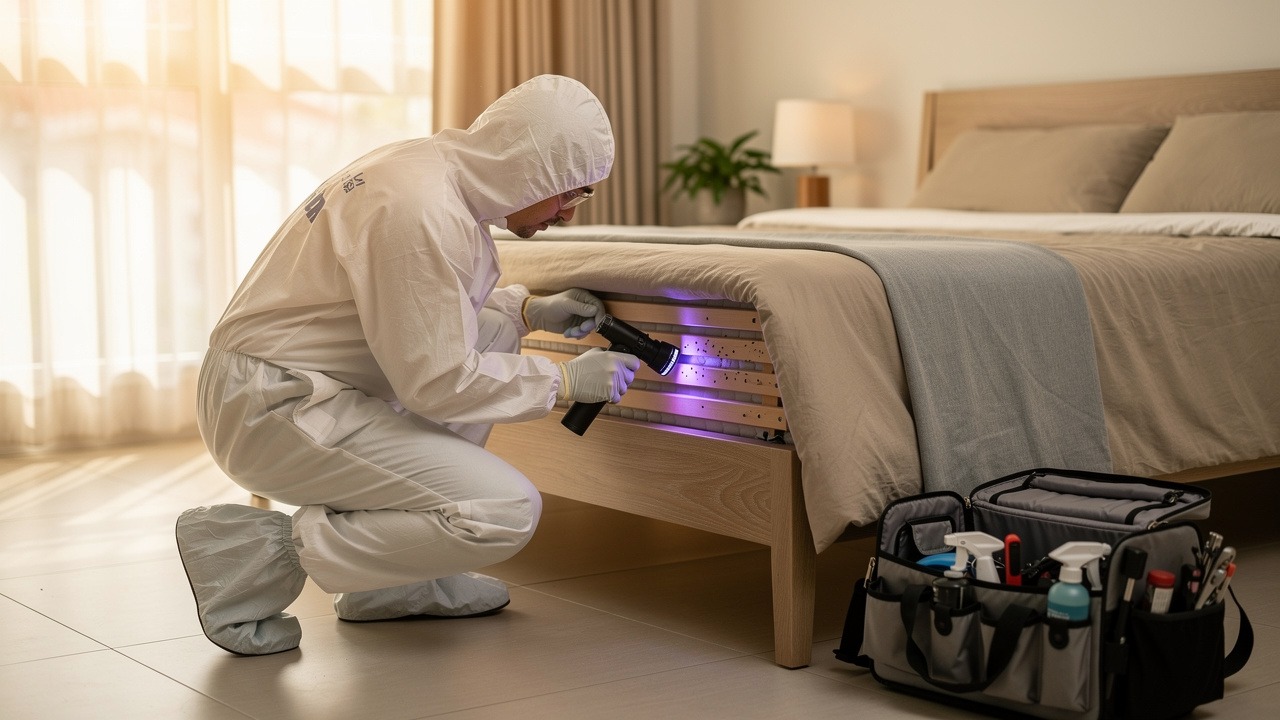
- Inspection of external compounds
- Identification of breeding or potential breeding areas
- Larviciding to target mosquito larvae
- Water-based mosquito fogging to reduce adult mosquitoes
- Use of trap systems where suitable
- Follow-up checks and placement adjustments
Its mosquito fogging service uses a fine mist to target adult mosquitoes, while larviciding treats stagnant water where larvae and pupae may be present.
Mosquito Trap vs Fogging vs Larviciding
Each method has a different role.
| Method | Main Purpose | Best Use |
| Mosquito trap | Reduces some adult mosquitoes in selected areas | Ongoing support in targeted zones |
| Fogging | Reduces adult mosquitoes quickly | Active biting problems or higher-risk areas |
| Larviciding | Kills larvae in stagnant water | Breeding sites that cannot be removed immediately |
| Source reduction | Removes breeding habitats | Weekly prevention for all premises |
The strongest plan usually combines all four. NEA also states that source reduction remains a key strategy for mosquito control in Singapore.
How Businesses Can Reduce Mosquito Problems
Business owners and facility teams can take practical steps every week:
- Empty and scrub plant saucers, pails, and containers
- Clear roof gutters and floor traps
- Check air-conditioner drainage areas
- Remove unused cartons, canvas sheets, and outdoor clutter
- Keep bin areas dry and clean
- Trim dense vegetation near customer zones
- Report recurring mosquito activity early
These habits make traps and professional treatments more effective.
FAQ
Do mosquito traps work in Singapore?
Yes, mosquito traps can reduce adult mosquitoes in small or targeted areas. They work best when combined with source reduction, larviciding, and professional inspection.
What is the best mosquito trap for businesses?
The best trap depends on the site. Outdoor businesses may need CO₂ or water-based trap systems, while small indoor areas may only need basic support devices.
How often should mosquito traps be maintained?
Trap maintenance depends on the device type. Some systems need cleaning, refills, or cartridge replacement every few weeks to remain effective.
Does Aardwolf Pestkare provide mosquito control for businesses?
Yes. Aardwolf Pestkare provides mosquito fogging, larviciding, inspection, and trap-based mosquito control services for homes, businesses, and managed properties in Singapore.