
Singapore’s warm, humid climate allows pests to stay active throughout the year. Cockroaches, ants, rodents, mosquitoes, termites, and bed bugs can spread quickly in HDB flats, condominiums, landed homes, and mixed-use properties if early signs are ignored.
For most homes, a general pest control visit every three to four months helps keep common pests under control. Higher-risk homes, such as older properties, landed houses, or homes near drains, food areas, or greenery, may need more frequent checks. Termites should be inspected at least once a year because damage often stays hidden until repairs become costly.
Aardwolf Pestkare provides pest control services in Residential using inspection, tailored treatment plans, lower-toxicity options, pest-proofing guidance, and ongoing monitoring for homes and businesses.
What Pests Commonly Affect Singapore Homes?
The most common household pests in Singapore include cockroaches, ants, rodents, termites, mosquitoes, and bed bugs. Aardwolf Pestkare notes that these pests thrive in Singapore’s tropical climate and often require proper treatment rather than one-off surface spraying.
Cockroaches
Cockroaches hide in kitchens, rubbish chutes, drains, cabinets, and appliance gaps. Signs include live activity at night, black pepper-like droppings, egg casings, musty odours, and damage to paper or packaging.
Termites
Termites are among the most damaging pests because they feed inside timber, cabinets, doors, flooring, and structural wood. Subterranean termites are responsible for most termite-related damage and often travel through hidden cracks, walls, and mud tubes.
Mosquitoes
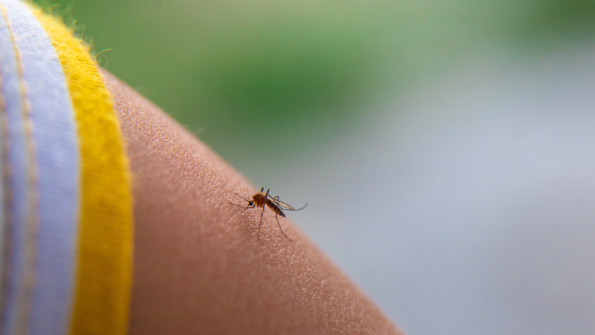
Mosquitoes breed in small amounts of stagnant water. Plant saucers, drains, roof gutters, pails, and outdoor clutter can become breeding sites. Homes with balconies, gardens, or planter areas need regular checks.
Bed Bugs
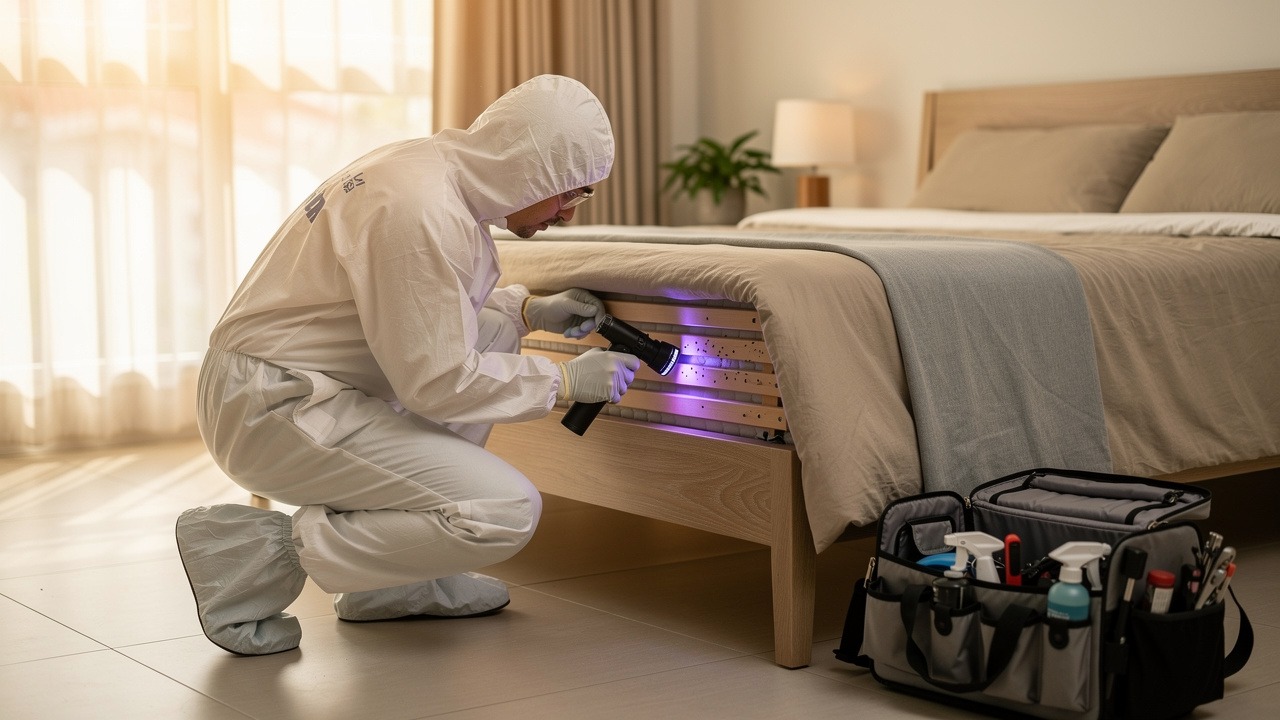
Bed bugs hide in mattresses, bed frames, sofa seams, and cracks near sleeping areas. They are difficult to remove without systematic treatment because they spread through small gaps and can survive unnoticed.
How Often Should Residential Pest Control Be Done?
Most Singapore homes benefit from quarterly pest control, or one visit every three months. This schedule helps manage cockroaches, ants, and general crawling insects before activity becomes severe.
A practical guide is:
| Home Situation | Suggested Frequency |
| Newer HDB or condo with low pest activity | Every 3–4 months |
| Older flat or home with repeated pests | Every 1–2 months |
| Landed property or home near greenery | Monthly or bi-monthly |
| Termite-free home | Yearly termite inspection |
| Active termite issue | Ongoing programme with regular checks |
| Bed bug case | Short intensive treatment plan with follow-up |
Aardwolf Pestkare describes residential pest control as an integrated, proactive programme that adapts to Singapore’s rainy, humid, and pest-prone conditions.
What Happens During a Professional Pest Control Visit?
A proper residential pest control visit should start with inspection, not immediate spraying.
1. Inspection and Assessment
Technicians check kitchens, toilets, bedrooms, service yards, cabinets, drains, skirting, and hidden corners. They identify pest species, activity level, entry points, and causes such as moisture, food sources, or gaps.
2. Targeted Treatment
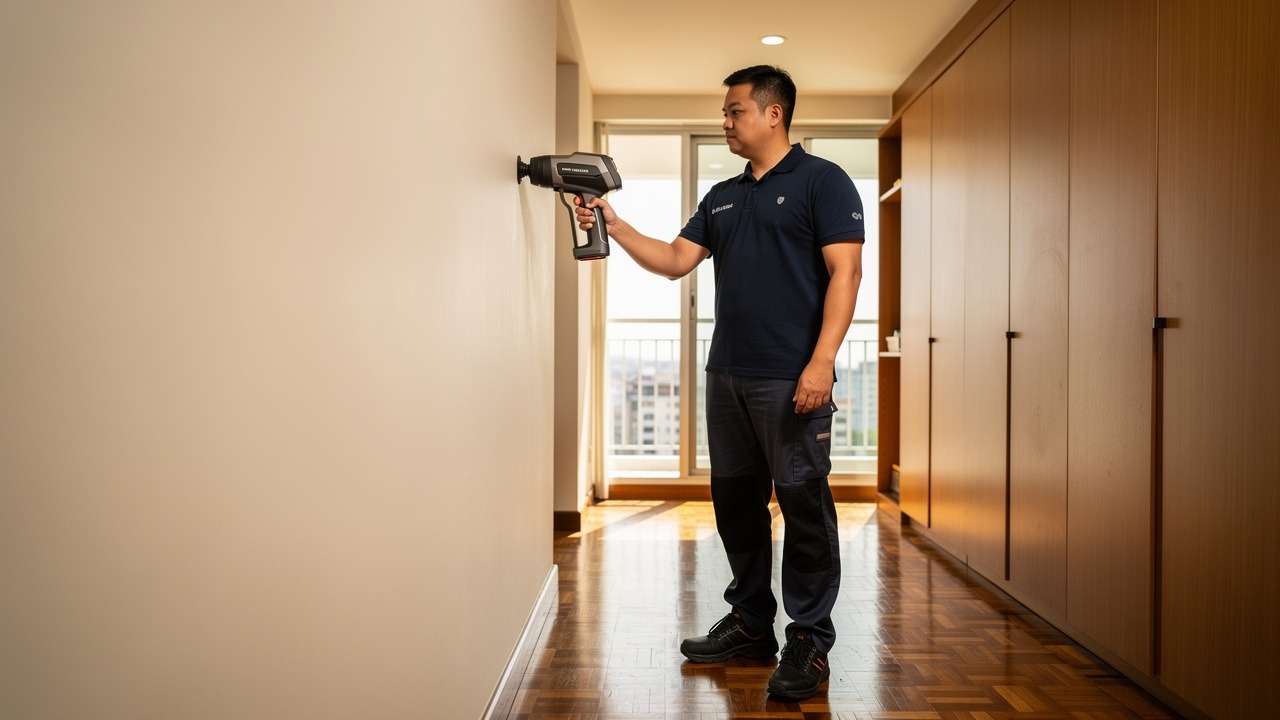
Treatment depends on the pest. Cockroaches may be treated with baits, gels, or residual applications. Termites may need baiting stations, soil treatment, or thermal imaging inspection. Aardwolf Pestkare uses thermal imaging for termite detection and species-specific termite treatment where needed.
3. Prevention Advice
Good pest control includes practical advice after treatment. This may include sealing gaps, improving storage, clearing stagnant water, reducing clutter, and fixing leaks.
4. Follow-Up and Monitoring
For serious infestations, follow-up visits are important. Termites, bed bugs, rodents, and recurring cockroach cases usually need monitoring to confirm that activity has reduced.
How Much Does Home Pest Control Cost in Singapore?
Residential pest control cost depends on property size, pest type, infestation severity, and whether the service is one-off or part of a recurring plan.
Aardwolf Pestkare’s published HDB pricing guide notes that common pest treatments such as ants and cockroaches may start from around S$140 for a one-off HDB visit, while bed bug, rodent, and termite work can cost more because they require more visits and monitoring.
How Can Homeowners Prevent Pest Problems?
Simple habits help reduce pest activity between visits:
- Keep food sealed and surfaces clean
- Clear rubbish daily
- Fix leaks quickly
- Remove stagnant water weekly
- Store cardboard and paper off the floor
- Seal gaps around pipes and doors
- Keep cabinets dry and ventilated
- Check wooden fittings for hollow sounds
- Arrange yearly termite checks
Prevention works best when paired with regular inspection, especially in humid Singapore homes.
FAQ
How often should I book pest control for my Singapore home?
Most homes should arrange pest control every three to four months. Homes with repeated pest issues, older fittings, or nearby greenery may need monthly or bi-monthly visits.
Is yearly termite inspection necessary?
Yes. Termites can damage timber from inside before visible signs appear. A yearly inspection helps detect early activity before repairs become expensive.
Can I rely on DIY pest sprays?
DIY sprays may reduce visible pests temporarily, but they often miss nests, breeding areas, and hidden entry points. Persistent activity should be checked professionally.
Does Aardwolf Pestkare provide residential pest control?
Yes. Aardwolf Pestkare provides residential pest control in Singapore for common pests including cockroaches, ants, termites, mosquitoes, rodents, and bed bugs.