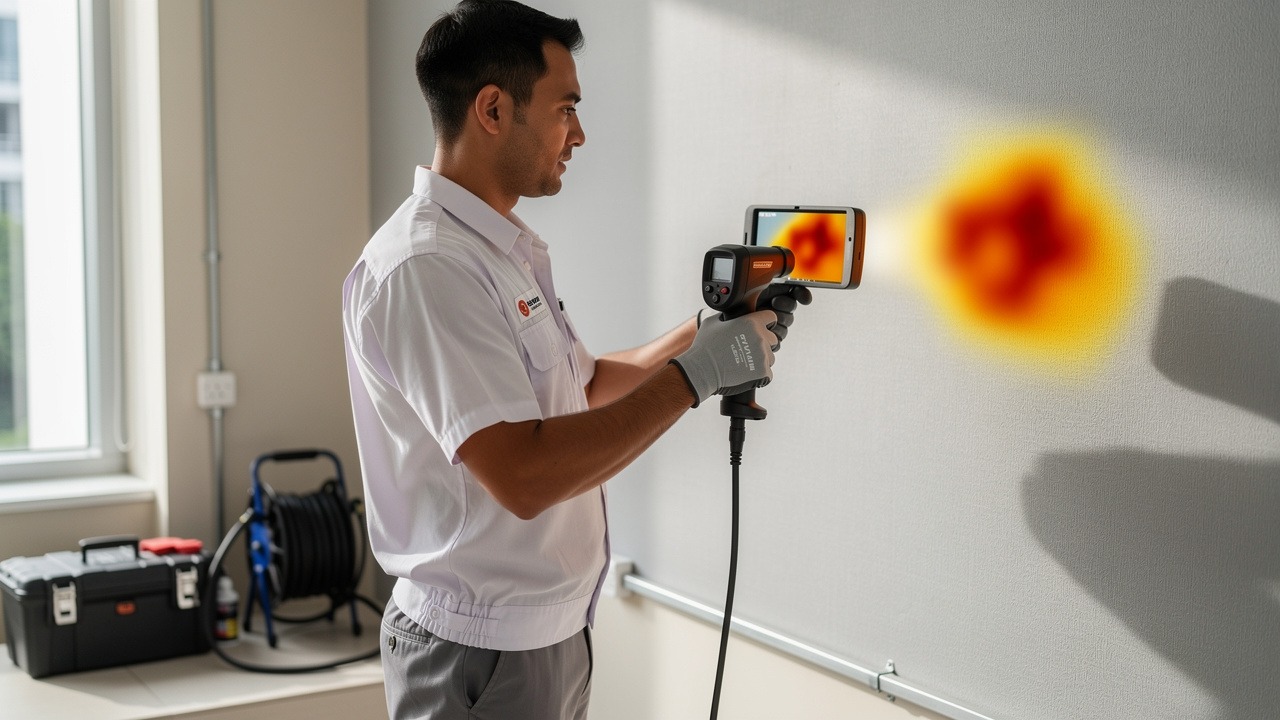
Effective termite control in Singapore starts with identifying which termite is present, where the activity is coming from and how extensive the infestation appears to be. The correct treatment should follow that diagnosis.
For subterranean termites, professional control may involve termite baiting, soil treatment, spot treatment or a combination of approaches depending on the property. Drywood termites require a different strategy because they establish colonies within timber and do not depend on the same soil-connected foraging behaviour.
This distinction matters because termite damage can remain hidden for a long time. A door frame or cabinet may look relatively normal from the outside even though termites have already damaged the timber internally. Subterranean termites may travel through concealed mud shelter tubes behind fittings or around pipe penetrations, while drywood termites can remain inside furniture, door frames and other wooden components.
Aardwolf Pestkare provides termite inspection and species-specific treatment for residential, commercial and industrial properties in Singapore. Its current termite services include baiting, soil treatment and spot treatment, together with drywood termite treatment and TermiCam thermal imaging for detecting suspected subterranean termite activity.
For a property owner, the most useful first step is therefore not to spray the insects that happen to be visible. Preserve the suspicious area where practical and arrange an inspection so the termite species, activity and likely treatment options can be assessed properly.
Quick Answer: What Is the Best Termite Control Method in Singapore?
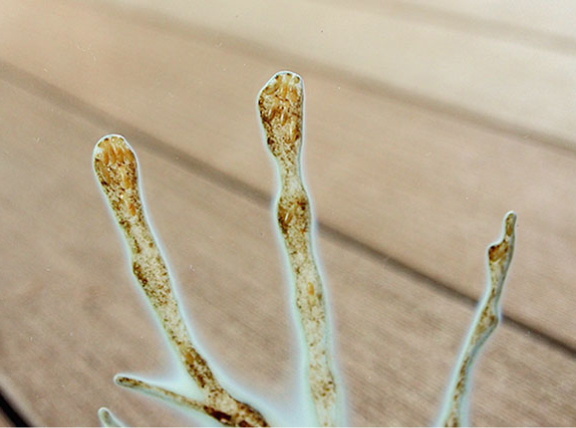
There is no single termite control method that is best for every Singapore property.
Subterranean termites may be treated using termite baiting, soil treatment or targeted treatment depending on where the colony is active and how termites are entering the property. Drywood termites live within timber and require methods that reach the infested wood rather than relying on subterranean bait stations.
The best treatment is therefore the one that matches the termite species, infestation extent, property layout and inspection findings. Singapore’s SS 721:2025 Integrated Pest Management framework follows a similar principle by emphasising objective pest-risk assessment, prevention, appropriate control measures and continued monitoring rather than relying only on reactive pesticide application.
What Are the Most Common Signs of Termites in Singapore?
The most common termite warning signs include mud shelter tubes, hollow-sounding timber, discarded wings, small pellet-like droppings and wood that has become soft, warped or internally damaged.
These signs should be treated as clues rather than a final diagnosis because different termite species leave different evidence.
Subterranean termites are strongly associated with mud shelter tubes. These protected pathways allow workers to travel between their colony and cellulose food sources while remaining sheltered from exposed conditions.
Drywood termites can produce a different sign called frass. These small, hard pellets are pushed out of infested timber and may accumulate below furniture, door frames or other wooden components. Aardwolf identifies frass, swarmers, discarded wings, hollow wood and warping among the signs associated with drywood termite activity.
Recognising the difference helps narrow the investigation, but professional species identification remains important before treatment begins.
Why Do Mud Shelter Tubes Matter?
Mud shelter tubes are among the clearest visible indicators of subterranean termite activity.
They can appear as narrow brown pathways across walls, concrete surfaces, skirting, foundations, pipes, timber or hidden areas behind built-in fittings. The tube creates a protected route through which termites can travel between the colony and their food source.
If you discover an active mud tube, avoid immediately destroying the whole trail or spraying it heavily before an inspection.
The visible termites inside the tube may represent only a small fraction of the active colony. Disturbing the route can also alter termite movement before a technician has had an opportunity to understand where the termites are travelling.
Photographing the area and leaving the active route relatively intact can provide useful evidence during the inspection.
What Does Hollow-Sounding Wood Mean?
Termites can consume timber internally while leaving a thin outer layer relatively intact.
This means a skirting board, cabinet, wooden door frame or other component can appear acceptable from the outside even though much of its internal material has already been damaged.
When affected timber is lightly tapped, it may sound more hollow than surrounding wood. More advanced damage can also cause wood to soften, crumble, deform or lose structural strength.
Hollow timber alone does not identify the termite species, but it becomes more significant when combined with other evidence such as mud tubes, frass or discarded wings.
If structural timber appears badly damaged, avoid pulling large sections apart before assessment. The visible damage may be only one part of a wider infestation.
What Are the Small Pellets Around Wooden Furniture?
Small pellet-like material collecting beneath wooden furniture or fittings can indicate drywood termites.
These pellets, commonly known as frass, are waste material pushed out from termite galleries through small openings in the timber. Aardwolf identifies frass as one of the key warning signs associated with drywood termites.
Drywood termites differ fundamentally from subterranean termites because they do not require the same connection with soil. They establish their colonies within timber itself.
This means that discovering frass around furniture or a door frame should not automatically lead to termite baiting or soil treatment. The first task is to establish whether drywood termites are actually responsible.
What Is the Difference Between Subterranean and Drywood Termites?
Subterranean and drywood termites can both damage wood, but they live and move differently.
Subterranean termites typically maintain colonies associated with soil and send workers outward to forage. Their protected mud shelter tubes are one of their most recognisable signs. Because workers move away from the colony to search for cellulose food sources, baiting and soil treatment can be relevant treatment strategies.
Drywood termites do not need the same soil connection. They can establish colonies directly inside relatively dry timber, including furniture, door frames, flooring and structural wood. Aardwolf states that these termites can infest timber without maintaining soil contact.
Their different biology explains why the treatment should not be selected solely from the appearance of damaged wood.
Why Is Professional Termite Inspection Important?
Professional termite inspection matters because the treatment depends on understanding what termite is present, where the activity is occurring and whether the visible damage represents a localised or broader infestation.
Surface evidence rarely tells the whole story.
A mud tube can show where subterranean workers are travelling, but not necessarily where the main colony is located. Drywood frass can reveal activity within timber but may not immediately show how much of the wooden structure is affected.
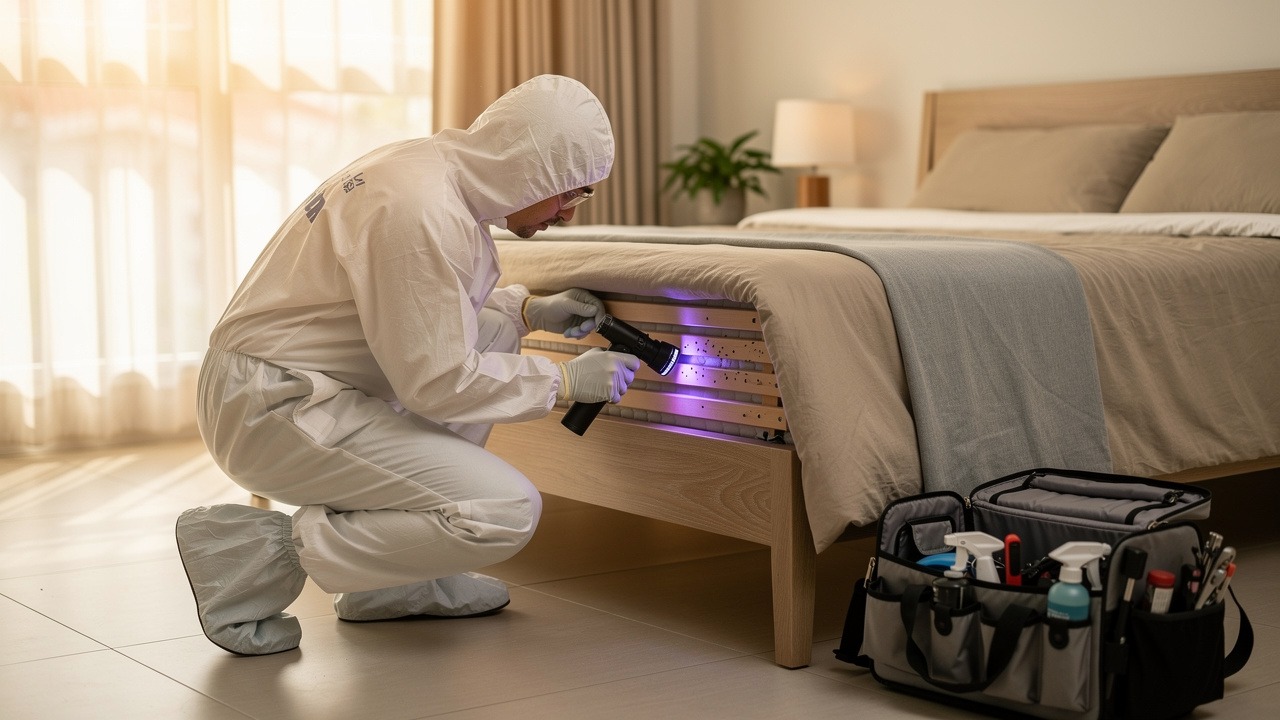
A professional inspection therefore looks beyond the most obvious damaged spot and considers nearby timber, potential entry routes, moisture conditions, concealed building areas and other signs of activity.
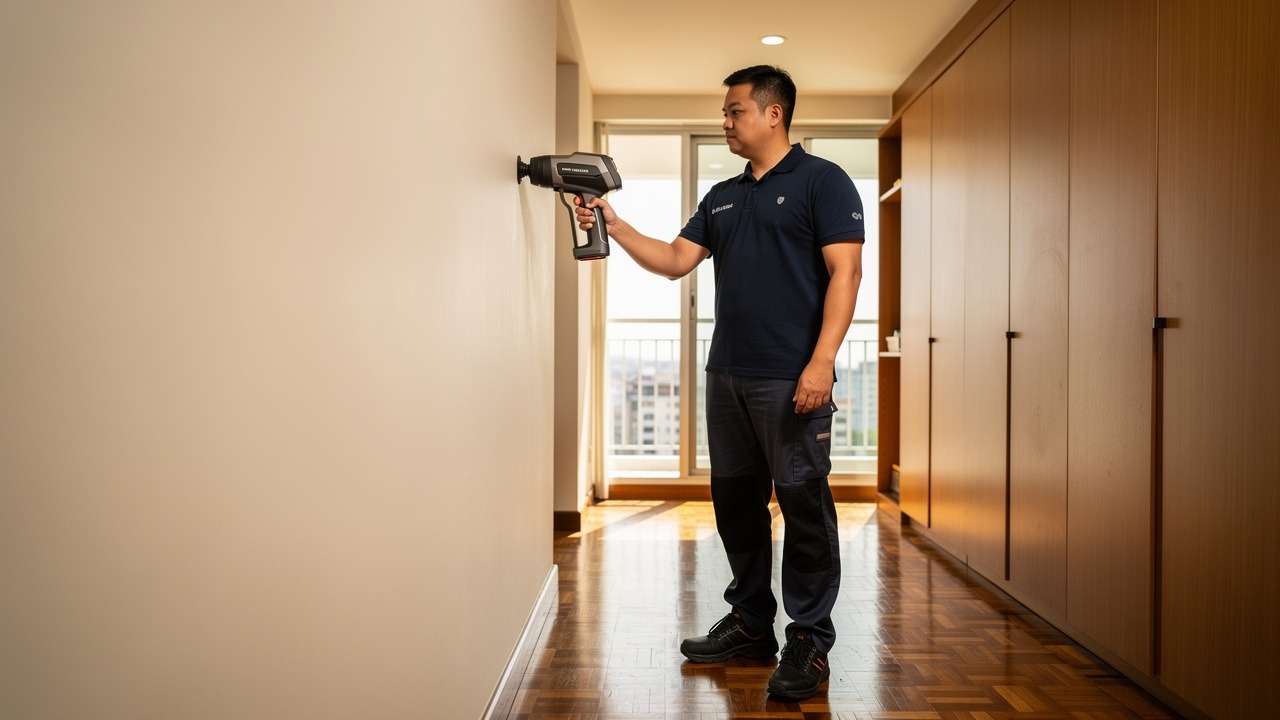
Aardwolf uses visual inspection together with TermiCam thermal imaging as an additional tool for suspected subterranean termite activity. The company states that it began using TermiCam technology under an arrangement with TermiCam Australia in 2002 and that its thermographers are trained in Australia and certified by the Australian Institute for Non-Destructive Testing.
Thermal imaging should be understood as a diagnostic aid rather than a treatment by itself. The findings still need to be interpreted by a trained technician together with the other evidence at the property.
How Do I Know Which Termite Treatment I Need?
The termite species provides the first major clue.
If inspection confirms subterranean termites, treatment may involve baiting, soil treatment or targeted work depending on where termites are active and how the property is constructed.
Mud tubes and soil-connected activity may make subterranean termite treatment relevant, but the technician still needs to establish whether baiting, soil treatment or another approach makes the most sense.
If drywood termites are identified through frass, swarmers or confirmed activity inside timber, treatment needs to reach the affected wood. Aardwolf’s current drywood termite guidance describes direct treatment approaches rather than treating these infestations as subterranean colonies.
The extent of infestation also matters. A localised problem inside one accessible timber component can require a different response from widespread activity affecting several parts of a property.
The correct decision therefore follows a sequence: first identify the termite, then establish how far the activity extends, and only then select the repair or treatment method.
How Does Termite Baiting Work?
Termite baiting is primarily associated with subterranean termites.
Bait stations provide worker termites with a cellulose-based food source containing a slow-acting treatment. Workers discover the bait while foraging and continue feeding while the treatment gradually affects colony activity.
The slow action is intentional. Instead of killing only the termites immediately beside a station, baiting allows treatment to influence the worker population and colony functions over time.
Aardwolf describes its termite baiting service as a colony-focused approach in which stations are strategically positioned around buildings and areas with detected activity.
Baiting should not be expected to produce immediate colony elimination. Termites first need to discover and accept the bait, after which monitoring and replenishment can continue as feeding changes.
This is why professional termite baiting is better understood as a managed programme rather than simply placing stations and leaving them indefinitely.
What Is Termite Soil Treatment?
Termite soil treatment works differently from baiting.
The treatment involves applying a termiticide to suitable soil around or beneath relevant parts of a building to create a treated zone. Termites attempting to move through that area can then encounter the treatment.
Aardwolf describes its soil treatment process as involving inspection, identification of potential entry points, perimeter planning and application according to factors such as building structure, soil conditions and infestation severity.
The availability of suitable soil matters.
A landed home with accessible perimeter soil can present different treatment possibilities from an upper-floor apartment where the detected termite activity is far removed from accessible ground.
This is why soil treatment and baiting should not be treated as interchangeable products. They address termite activity through different mechanisms.
Is Termite Baiting Better Than Soil Treatment?
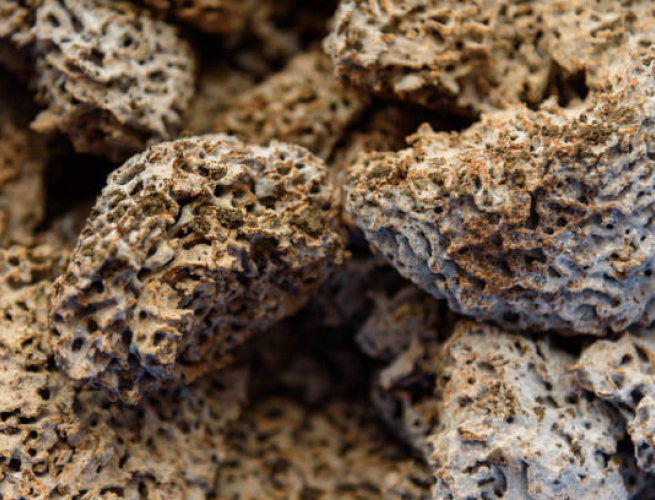
Neither method is universally better.
Termite baiting uses termite feeding behaviour to influence an active subterranean colony. Soil treatment creates a treated zone in suitable soil areas that termites may encounter when travelling toward the building.
A property with active worker feeding inside the building may present one treatment scenario, while a landed property with accessible perimeter soil and identifiable ground-entry risks may present another.
Some infestations may also require more than one approach.
The better question is therefore not “Which termite treatment is strongest?” but “Which treatment best matches how termites are entering and behaving at this property?”
When Is Spot Treatment Suitable?
Spot treatment focuses on a specific area where termite activity has been identified.
Aardwolf describes spot treatment as the targeted application of treatment to areas with termite activity rather than treating the entire building perimeter. It notes that this approach can be considered for more localised infestations.
However, treating one visible location should not substitute for understanding the wider infestation.
For subterranean termites, activity at one wall or cabinet may still be connected with a concealed colony elsewhere. Local treatment therefore makes the most sense when inspection supports the conclusion that it is technically appropriate.
For drywood termites, targeted treatment may also be considered when activity is confined to accessible timber.
Do Drywood Termites Need Different Treatment?
Yes.
Drywood termites establish colonies within timber and therefore require treatment methods capable of reaching termites inside that material.
Aardwolf identifies drywood termite infestations in structural timber, flooring, furniture and other wooden components and notes that professional confirmation is important because similar symptoms can have other causes.
Depending on infestation extent and accessibility, drywood termite treatment may involve localised timber treatment, removal or replacement of affected material, or more extensive remedial work.
The important point is that subterranean termite baiting should not automatically be applied to a drywood infestation simply because both pests are termites.
When Is Fumigation Used for Termites in Singapore?
Fumigation is a specialised treatment and should not be presented as a routine response to every termite problem.
It may be considered in certain pest-control situations where fumigant treatment of an enclosed space or material is technically appropriate.
In Singapore, fumigation is specifically regulated. NEA states that a Fumigator Licence is required for a person carrying out and overseeing fumigation, and a Fumigation Permit must be obtained before each fumigation operation.
NEA also requires safety planning as part of regulated fumigation operations, including a Fumigation Management Plan covering procedures and emergency protocols.
For property owners, this means fumigation should only be considered after professional assessment and should be carried out within the applicable regulatory framework.
Does Termite Control Differ for HDB Flats, Condos and Landed Properties?
The biology of the termite does not change with the property type, but the building layout and access conditions can influence inspection and treatment planning.
In an HDB flat or condominium unit, termite activity may appear around built-in cabinetry, door frames, skirting, service penetrations or other concealed areas. The technician may need to establish whether the activity is contained within the unit or whether building access and management coordination are required for further inspection.
Condominium properties can also involve shared building areas, basement structures, landscaping or external zones that may require coordination with property management depending on where the suspected termite activity is located.
Landed properties can present a different situation because there may be more direct soil access around the building. This can make perimeter inspection and soil-related termite entry routes particularly relevant when subterranean termites are involved.
Commercial and industrial premises can add another consideration: business continuity. The treatment plan may need to account for operating hours, tenant access, stored goods and the level of disruption associated with drilling, treatment or follow-up work.
The property category therefore affects how the treatment is delivered, but the termite species and actual infestation should still determine what treatment is selected.
Can Termite Control Be Done Without Drilling?
Sometimes, but not every termite problem can or should be managed without drilling.
A baiting programme may involve limited physical disruption compared with more invasive treatment where the property conditions make baiting suitable.
Soil treatment, on the other hand, can require access through building surfaces or perimeter areas so treatment can reach the relevant soil.
Drywood termite activity may require access into affected timber because the colony is living inside the wood itself.
The better question is therefore not whether drilling can always be avoided, but whether avoiding it would still allow the treatment to reach the identified infestation.
A reliable specialist should explain why drilling is or is not necessary before work begins.
Is DIY Termite Treatment Effective?
DIY spraying can kill termites that are directly exposed, but it usually does not tell you whether the entire infestation has been addressed.
This is particularly important with subterranean termites because the workers visible inside a broken mud shelter tube may represent only a small part of a much larger colony.
The same limitation applies to drywood termites. Spraying the surface of a cabinet does not necessarily reach termites feeding inside internal galleries.
Another problem with random spraying is that it can alter the visible activity before inspection, making it harder to understand where termites were originally travelling.
Property owners can still help by photographing suspicious areas, noting when new signs appear and fixing obvious moisture problems, but established termite activity is better diagnosed before chemical treatment is attempted.
How Long Does Termite Control Take?
The timeframe depends heavily on the treatment method and infestation.
Termite baiting is intentionally gradual because workers need to discover the bait and continue feeding before colony activity declines. The process can therefore take weeks or months rather than producing an immediate result.
Soil treatment and spot treatment may be applied within a shorter work period, but completing the application does not necessarily mean follow-up is unnecessary.
Drywood termite treatment duration can also vary depending on how much timber is affected and whether access, drilling, removal or specialised treatment is required.
A responsible contractor should therefore give a timeline based on the actual treatment scope rather than promising that every termite infestation can be eliminated within the same number of days.
How Much Does Termite Control Cost in Singapore?
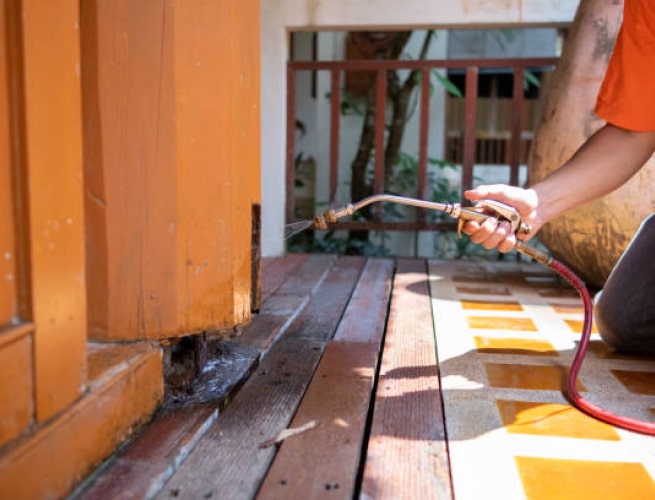
There is no single standard termite-control price because the visible sign does not define the treatment scope.
The final cost can depend on the termite species, size of the affected property, extent of infestation, treatment method, accessibility, amount of drilling or preparation required and whether ongoing monitoring is included.
A small localised drywood infestation in one timber component is not the same scope as a subterranean termite programme involving several areas of a landed property.
Likewise, a baiting programme that includes repeated monitoring should not be compared solely by headline price with a one-time local application.
When reviewing quotations, property owners should therefore compare what is actually included in the inspection, treatment, follow-up and any ongoing protection rather than choosing only by the lowest initial figure.
How Do You Choose a Trustworthy Termite Specialist in Singapore?
A trustworthy termite specialist should begin with inspection and diagnosis rather than immediately recommending the same package to every customer.
The technician should be able to explain whether the signs are consistent with subterranean termites, drywood termites or another cause. The proposed treatment should then correspond with that diagnosis.
A useful recommendation should also explain why baiting, soil treatment, targeted treatment or a timber-focused method has been chosen.
The property owner should understand which areas will be treated, whether drilling or access work is necessary, how long the programme is expected to take, what monitoring is included and what happens if termite activity continues.
For specialised fumigation, regulatory verification becomes especially important because NEA requires a fumigator licence and a permit for each operation.
More broadly, Singapore’s SS 721:2025 framework provides a useful benchmark for professional pest management because it emphasises assessment, prevention, appropriate treatment and measurable service performance rather than relying only on reactive pesticide use.
A specialist who can clearly explain the evidence, treatment reasoning and follow-up process is more useful than one who simply claims to have the strongest chemical.
What Should You Ask Before Approving Termite Treatment?
Before proceeding, ask the specialist to explain what termite species they believe is present and what evidence led to that conclusion.
You should also understand where the main activity has been detected, whether other areas of the property need inspection and why the proposed treatment is suitable.
If baiting is recommended, ask how monitoring will work and what signs technicians use to determine whether colony activity is declining.
If soil treatment is recommended, ask which soil areas will be treated and whether drilling or reinstatement is required.
For drywood termites, ask which timber areas are affected and whether the infestation appears localised or more extensive.
You should also understand what preparation is required before the visit, how long treated areas need to remain undisturbed and what follow-up or warranty terms apply.
These questions turn a termite quotation into an understandable treatment plan rather than simply a price.
What Does Aardwolf Check Before Selecting a Treatment?
Aardwolf’s published termite information shows a multi-method approach rather than one treatment applied to every infestation.
Its current termite services include termite baiting, soil treatment and spot treatment, while separate treatment is provided for drywood termites.
For suspected subterranean termite activity, Aardwolf also uses TermiCam thermal imaging as a diagnostic tool. The company states that it introduced the technology under a TermiCam Australia arrangement in 2002 and that its thermographers receive Australian training and AINDT certification.
This means the practical treatment decision can consider the species, visible evidence, concealed activity, property layout and likely termite route before the repair method is chosen.
That approach is more useful than assuming every mud tube requires baiting or every damaged piece of timber requires the same chemical treatment.
What Does Aardwolf Pestkare Offer for Termite Control?
Aardwolf Pestkare was established in Singapore on 8 April 1997. Its company history describes a shift from traditional reactive pest control toward pest management based on identifying the problem accurately and agreeing on a suitable solution.
Its termite services currently cover subterranean and drywood termite problems, with baiting, soil treatment, spot treatment and species-specific treatment among the available methods.
For subterranean termites, the company also uses TermiCam thermal imaging to assist with detecting suspected activity and entry points. Aardwolf describes itself as the first company in Asia to employ TermiCam for termite detection under a franchise arrangement beginning in 2002. This is a company-reported historical claim.
Aardwolf also publishes an estimated 98% success rate for detecting termite presence and entry points under its Termite Management Programme. Because this figure is reported by the company itself rather than presented as an independent industry benchmark, property owners should interpret it as an Aardwolf performance claim rather than a general termite-detection statistic.
The more important practical advantage is that the company has several treatment routes available, allowing the proposed method to follow the inspection findings rather than beginning with one predetermined treatment.
How Can You Reduce the Risk of Future Termite Problems?
Termite prevention begins with reducing conditions that can make a property easier for termites to enter or remain undetected.
Moisture deserves particular attention. Persistent leaks, drainage problems and damp areas can increase the suitability of some locations for subterranean termite activity.
Openings around foundations, walls and pipe penetrations should also be maintained where practical because concealed gaps can provide possible routes into a structure.
Cellulose-rich materials such as unused timber and cardboard should not be allowed to accumulate unnecessarily in damp storage areas.
Where possible, unnecessary wood-to-soil contact should also be reduced, particularly around landed properties.
Existing timber should be inspected when suspicious damage is discovered rather than simply being covered with paint or new finishes. Cosmetic repair can hide the evidence without addressing the infestation behind it.
Prevention does not guarantee that termites will never return, but reducing favourable conditions and making vulnerable areas easier to inspect can improve long-term termite management.
Can Termites Return After Professional Treatment?
Yes.
Controlling an existing termite infestation does not mean another colony can never reach the property in the future.
Subterranean termites can continue to forage in surrounding environments, while drywood termites may enter and establish themselves in suitable timber.
This is why monitoring and prevention remain important after the original treatment programme.
Singapore’s SS 721:2025 Integrated Pest Management approach similarly emphasises prevention and performance monitoring rather than treating pest control as a one-time reaction to visible activity.
A good post-treatment plan should therefore explain what property conditions should be corrected, what signs should be watched for and whether future inspection is recommended.
Should You Arrange an Inspection Even Without Major Damage?
Yes, if credible termite warning signs are present.
Termites can damage timber internally before obvious structural deterioration develops.
Waiting until a door frame crumbles, flooring deforms or built-in furniture becomes severely weakened gives the infestation more time to progress.
Fresh mud tubes, recurring frass, discarded wings, unexplained hollow timber or repeated damage in the same area are all reasonable reasons to arrange an inspection even when the property still appears usable.
Properties with previous termite activity, extensive timber features, moisture problems or direct soil exposure may also justify greater vigilance.
Inspection is most useful when the evidence is still available and the technician can assess the termite activity before it has been heavily disturbed.
Frequently Asked Questions About Termite Control in Singapore
What Is the Most Effective Termite Control Method in Singapore?
There is no universal best method. Subterranean termites may be managed through baiting, soil treatment or targeted treatment, while drywood termites require methods that reach colonies living within timber. The treatment should be selected after the species, infestation extent and property conditions have been assessed.
How Do I Know Whether I Have Subterranean or Drywood Termites?
Mud shelter tubes are strongly associated with subterranean termites because workers use them when travelling between soil and food sources. Drywood termites are more commonly associated with frass, swarmers and activity contained within timber. These signs provide clues, but a professional inspection should confirm the species before treatment begins.
Is Termite Baiting Better Than Soil Treatment?
Neither method is automatically better. Baiting targets active subterranean termite feeding and colony activity, while soil treatment establishes a treated zone in suitable soil. Property layout, accessible soil, termite entry routes and inspection findings determine which option is more appropriate.
Can Termite Control Be Done Without Drilling?
Some baiting and targeted treatments can involve relatively limited physical disruption, but drilling may be necessary for soil access or to reach termites living within affected timber. The technician should explain whether drilling is necessary and what part of the treatment requires it.
How Long Does Termite Treatment Take?
Treatment duration depends on the method. Termite baiting can require weeks or months because colony activity declines gradually. Soil or spot treatment may be applied more quickly, while extensive drywood termite remediation can require more time depending on the affected timber and treatment method.
Should I Spray Termites When I Find Them?
Avoid heavily spraying or destroying active termite trails before an inspection where possible. Killing visible workers does not necessarily control the hidden colony, and disturbing active routes may make it more difficult to understand where the termites were travelling.
Can Termites Return After Professional Treatment?
Yes. Successfully controlling one colony does not permanently prevent every future termite infestation. Moisture, concealed openings, timber and environmental termite pressure can continue to create risk, which is why preventive maintenance and follow-up inspection may still be appropriate.
When Is Termite Fumigation Needed?
Fumigation is a specialised treatment rather than a routine solution for every termite infestation. If fumigation is technically recommended, Singapore requires the work to be overseen by a licensed fumigator and a permit must be obtained before each operation.
How Do I Choose a Reliable Termite Specialist?
Choose a specialist that inspects before recommending treatment, identifies the likely termite species, explains the evidence supporting the diagnosis and connects the proposed treatment to the actual infestation. The quotation should also make clear what areas will be treated, how follow-up works and whether drilling, preparation or monitoring is required.
Final Thoughts: Effective Termite Control Starts With the Diagnosis
Effective termite control in Singapore begins with one principle: identify the termite before choosing the treatment.
Subterranean termites and drywood termites behave differently and therefore require different management strategies.
A subterranean infestation may be suited to termite baiting, soil treatment, targeted treatment or a combination of methods depending on the building and termite activity. Drywood termites live within timber and require treatment capable of reaching the infested material.
This is why visible termites are rarely the whole problem. Mud shelter tubes, hollow wood, frass and discarded wings should be treated as evidence that warrants investigation rather than as a reason to apply random pesticide.
Singapore’s SS 721:2025 framework reinforces the same broader principle by promoting pest-risk assessment, prevention, appropriate control methods and continued monitoring as part of professional pest management.
Aardwolf Pestkare applies a multi-method termite approach involving inspection, TermiCam thermal imaging, termite baiting, soil treatment, spot treatment and species-specific treatment. The company has operated in Singapore since 1997.
For homeowners and property managers who discover suspicious termite activity, the most useful first action is therefore not simply to kill the insects that can be seen.
Preserve the evidence where practical, identify the termite species and choose a treatment that addresses the actual infestation behind the visible damage.