Introduction
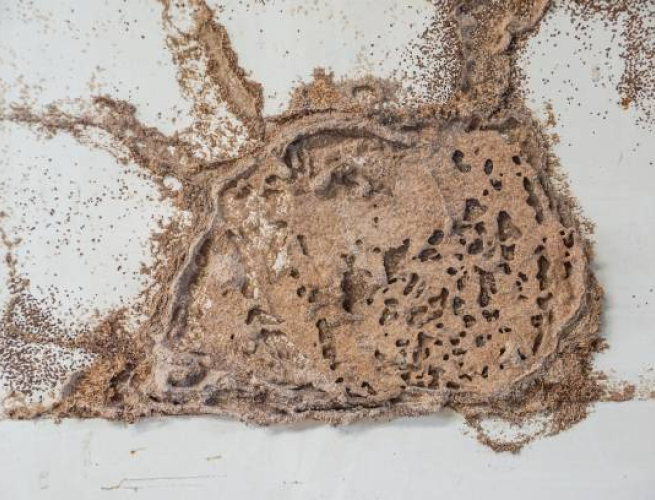
In Singapore, termites often hollow out wood for months before anyone notices anything is wrong. By the time damage shows on the surface, repair bills can shock even careful owners.
Professional termite control in Singapore begins with inspection and species checks, followed by bait, soil treatment, or fumigation that fits the specific case. From first visit to full colony removal, most infestations clear in four to twelve weeks, with quick follow-up checks to confirm that the colony has been removed.
The sections ahead explain each step, key warning signs, and how to keep protection in place all year round.
Key Takeaways
This section gives a fast summary before we move into details. Keep these points in mind as you read the rest.
- Singapore is warm and humid all year. That keeps termites active without a break, so regular checks and preventive treatment stay important.
- Three main termite types live here, and each behaves differently inside your building. Matching treatment to the right type is the only reliable way to clear them.
- Early warning signs appear in small ways. Mud tubes, hollow wood, and frass look minor at first. Quick action at this stage often saves heavy repair costs later.
- Only licensed, NEA-certified professionals can use strong termiticides safely. Their goal is to remove the entire colony, including the queen, not just the insects you see.
- Simple habits at home or in your shop lower risk. Moisture control, tidy storage, and regular inspections reduce the chance of another infestation later on.
“Early detection and regular monitoring are your best insurance against costly termite damage.”
— Aardwolf Pestkare Technical Team
Why Termite Control In Singapore Is A Year-Round Necessity
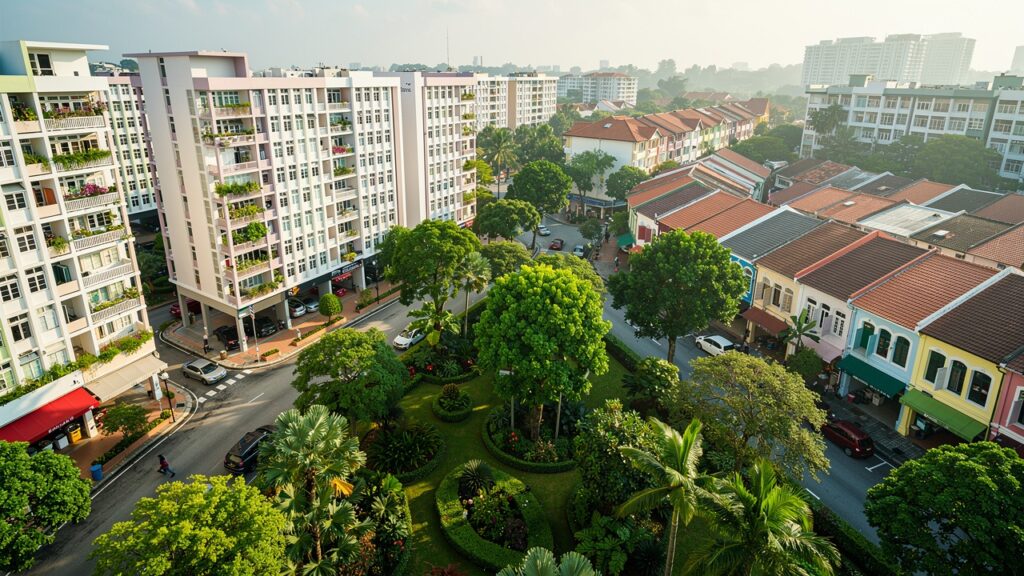
Termite control Singapore is a year-round necessity because the tropical heat and humidity keep colonies active every month. That constant activity threatens homes, offices, shops, and warehouses across the island.
According to the National Environment Agency, local termite species stay active as long as temperature and moisture stay high. There is no winter pause that slows them. That means wooden floors, shelves, pallets, and display fixtures in places like HDB shops or industrial units stay at risk all the time.
For business owners, this risk is not just about appearance. Termites quietly weaken built-in fixtures and storage racks that you depend on daily. Research from the National Pest Management Association reports that termites cause more than five billion US dollars in property damage each year worldwide. That figure does not include lost income when outlets must close for repairs.
Here is the key point for any SME owner or homeowner: a planned program with regular inspections and preventive treatment usually costs far less than one large corrective job after years of hidden activity. Many NEA-licensed firms design maintenance contracts that fit commercial schedules, so visits cause little disruption to staff or customers. Thoughtful termite control singapore should never be treated as a one-off job.
What Are The 3 Types Of Termites Found In Singapore?
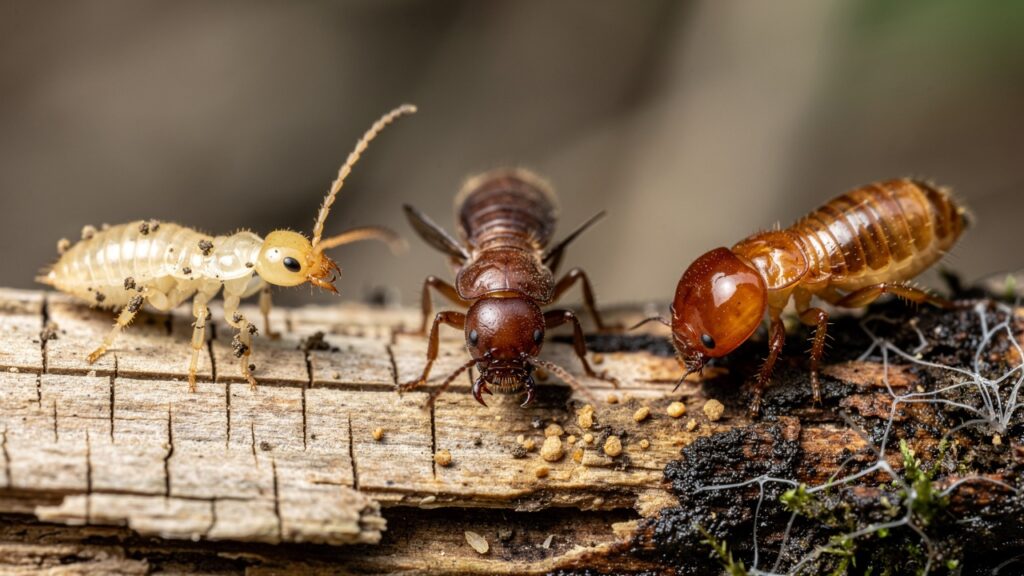
The three main termite types in Singapore are subterranean, drywood, and dampwood termites, and each one needs a different treatment style. Correct identification decides which method works and how long full control will take.
- Subterranean termites are the most destructive group here. Species such as Coptotermes live in soil and move through mud tubes into buildings. A single colony can reach millions of insects, all feeding on the same structure. These termites often enter through hairline cracks in foundations or floor joints, then spread through beams and built-in cupboards.
- Drywood termites live inside dry timber instead of soil. They attack door frames, built-in wardrobes, and furniture, especially in older apartments and landed homes. They push out tiny droppings, called frass, that look like sand around skirting boards or window frames. Because they stay sealed in the wood, baiting systems for soil nests do not work, so fumigation or extensive spot treatment is usually needed.
- Dampwood termites prefer wood with high moisture levels. They appear around leaking pipes, roof leaks, garden planters, and tree stumps. Indoors, they often signal an underlying water problem in walls or floors. Until that moisture source is fixed, any treatment will only give short-term results and new colonies will move back in.
When you compare termite control in singapore providers, ask how they confirm species before they suggest any method. A quick spray without proper identification is a warning sign.
How To Identify A Termite Infestation: Warning Signs Every Property Owner Should Know
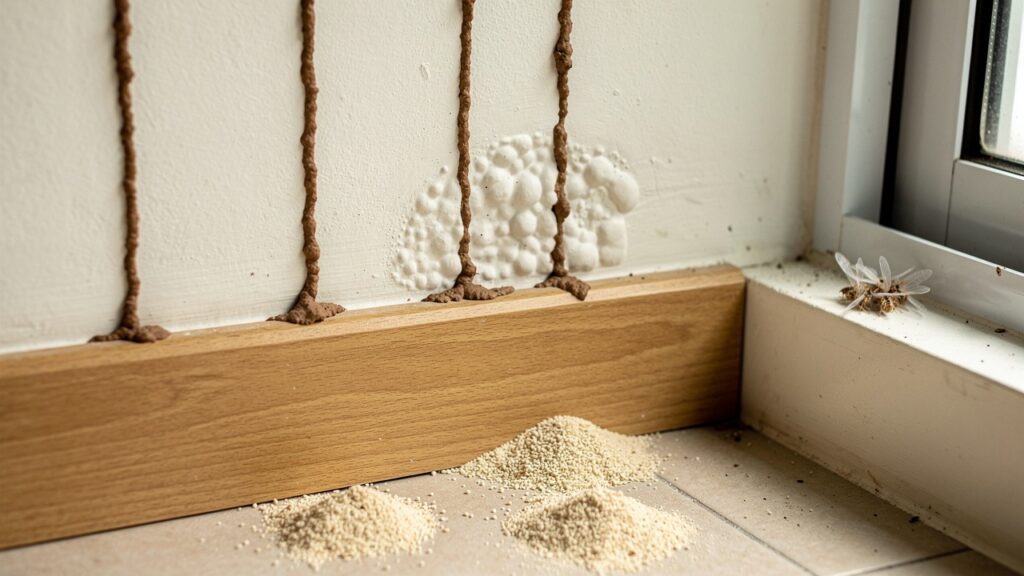
Knowing the signs of termite activity lets you act before damage becomes severe. Property owners and facility managers should perform simple checks every three to six months, especially after long wet spells.
Look out for these common warning signs:
- Mud tubes appear as thin, brown lines on walls, pillars, or skirting boards. They allow subterranean termites to move while staying moist and hidden. Breaks in these tubes that repair themselves quickly point to an active colony.
- Hollow or papery wood often means termites have eaten from the inside out. Tapping floors, frames, or shelves may produce a dull, empty sound. When you press with light force and wood gives way, the damage is usually advanced.
- Frass (droppings) around furniture, window sills, or door frames looks like tiny grains of sand. These pellets are drywood termite droppings. Fresh piles after cleaning point to ongoing activity inside the wood.
- Discarded wings on floors near doors or windows come from swarmers starting new colonies. You may find piles of transparent wings after rain on higher floors as well. Wing piles with no dead insects nearby often indicate termites, not flying ants.
- Blistered paint, warped doors, and faint clicking inside walls signal possible hidden nests. The clicking comes from soldier termites hitting their heads to warn others. Any mix of these signs justifies a prompt professional inspection.
Important warning: do not spray retail insecticide directly on these areas. That often scatters the colony and pushes it deeper into your structure, making later treatment harder.
What Professional Termite Treatment Methods Are Used In Singapore?
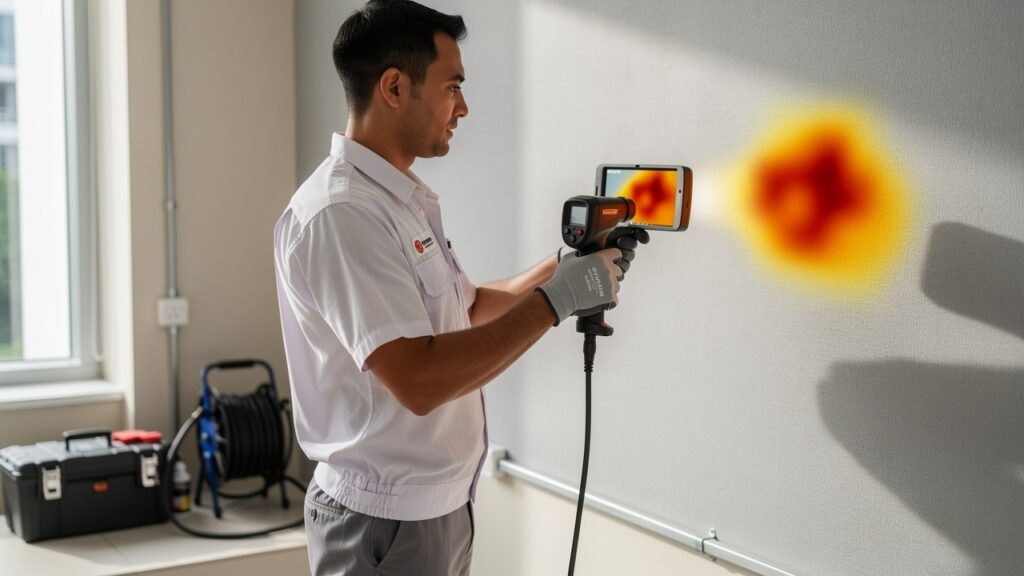
Professional termite services in Singapore rely on inspection, baiting, soil treatment, fumigation, and other targeted methods chosen after species identification. The goal is simple to say but hard to carry out alone: remove the entire colony, including the queen, and prevent a quick return.
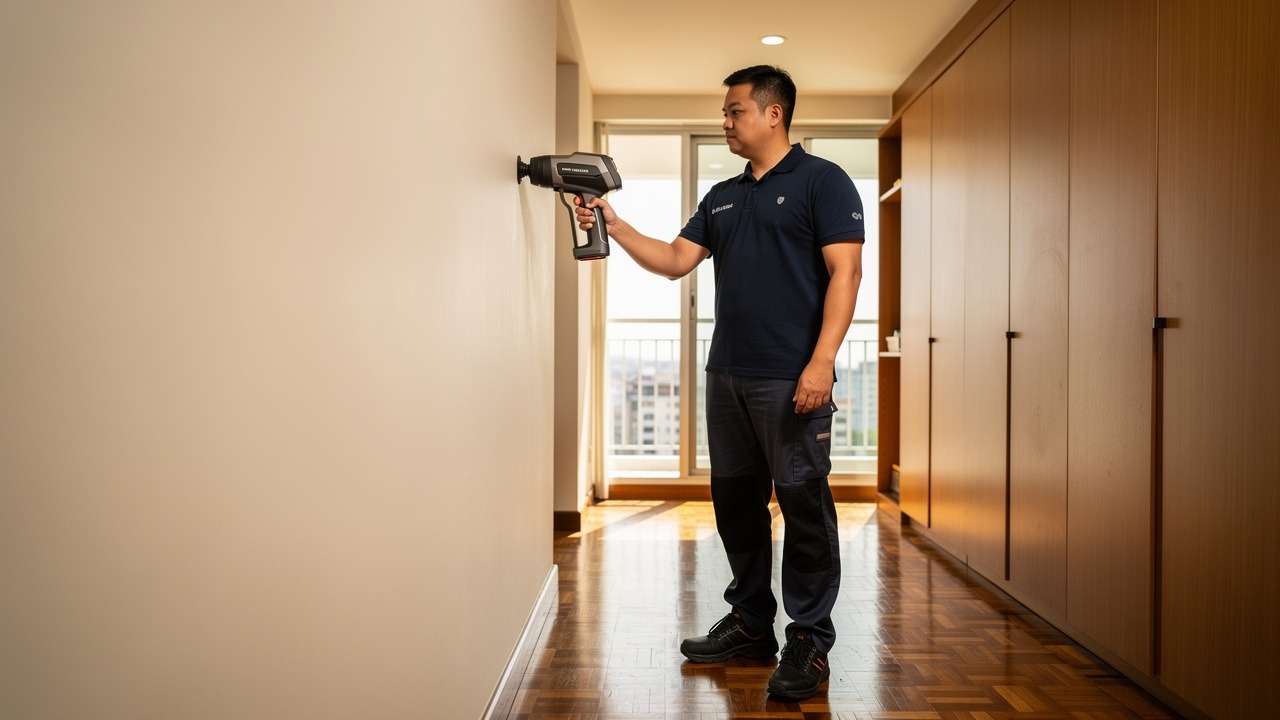
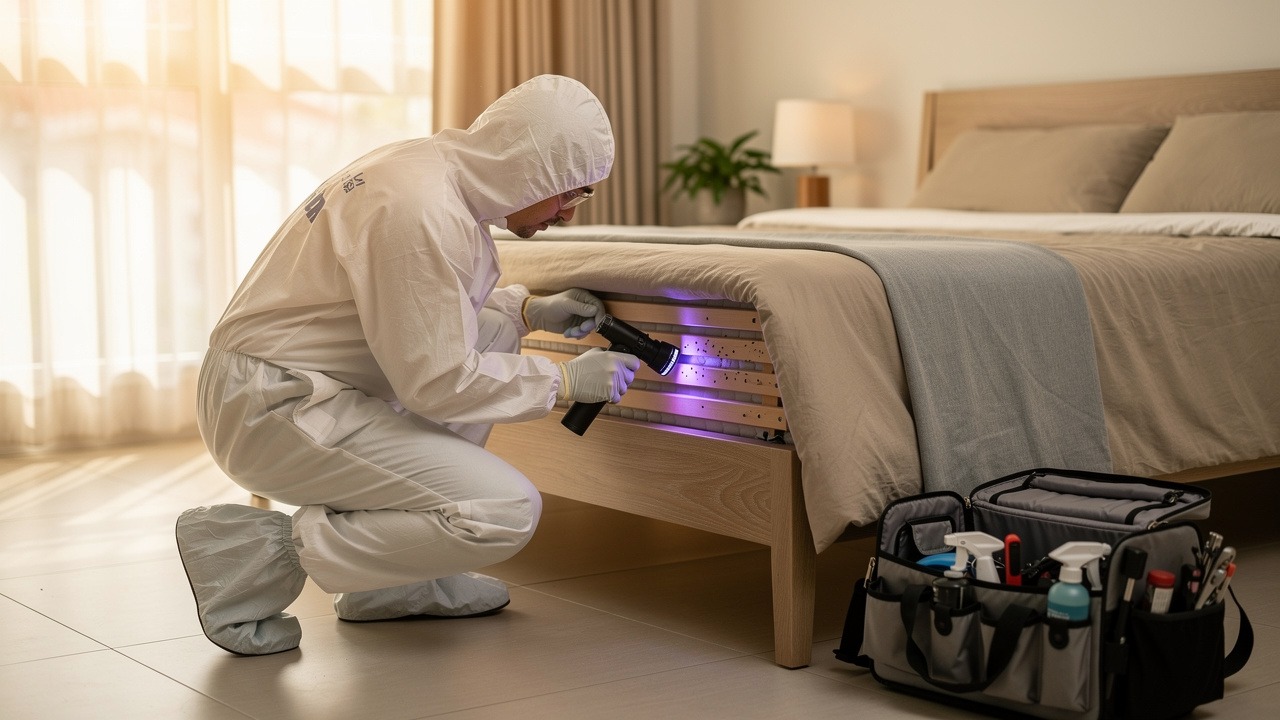
A licensed team will first complete a detailed inspection, often using tools such as thermal imaging cameras to spot hidden heat patterns, and the impact of termiticides on colony behaviour means treatment choice after inspection is equally critical. According to the US Environmental Protection Agency, bait systems and liquid termiticides often take several weeks to remove a colony because the active ingredient must spread through feeding. That time frame explains why most successful programs run over four to twelve weeks with monitoring visits.
Most termite control singapore providers use a mix of methods like the ones in this table:
| Treatment Method | Best For | Main Benefit |
| Thermal imaging inspection | Locating hidden nests in walls and ceilings | Finds activity without hacking surfaces |
| Baiting system | Subterranean colonies around and under buildings | Gradually removes entire soil nests |
| Corrective injection | Confirmed indoor attacks in floors or beams | Brings termiticide right into galleries |
| Soil treatment | New builds and landed property perimeters | Creates a long-lasting chemical barrier |
| Fumigation | Widespread drywood activity in structures | Reaches termites deep inside dry wood |
| Spot treatment | Small, early-stage problems in limited areas | Fast control with little disruption |
| Rodding treatment | Gardens, tree lines, and outdoor landscaping | Protects roots and soil contact points |
A trustworthy operator will explain why certain methods suit your property and which areas they will treat. According to the National Pest Management Association, follow-up monitoring is just as important as the first visit, since it confirms that remaining workers and the queen are no longer present.
For homeowners who worry about family members and pets, many companies now offer family-safe and eco-conscious options when conditions allow. Always discuss your concerns with the technician before treatment starts.
How To Choose A Certified Termite Control Company In Singapore
Choosing a certified termite company in Singapore starts with checking licenses, experience, and equipment before you discuss price. Good providers show you a clear plan, realistic time frames, and written follow-up schedules.
Look for companies whose technicians hold National Environment Agency licenses for vector control. For projects that involve building work or pre-construction soil treatment, Building and Construction Authority registration is another strong sign. Ask whether the team uses tools such as thermal imaging cameras or only basic visual checks. These details show how seriously the company treats inspection and long-term monitoring.
A simple checklist helps during shortlisting:
- Check licenses and certificates from NEA and, where relevant, BCA. Ask to see proof, not just website claims. Licensed operators can use stronger products safely and follow government standards.
- Confirm that termites are a core focus, not a small side service. Ask how often they handle subterranean and drywood jobs. Regular work in your property type usually leads to sharper diagnosis and smoother on-site work.
- Ask about inspection tools and reporting. Thermal imaging, moisture meters, and clear written findings show a methodical approach. Good reports make it easier for you to explain plans to other stakeholders or landlords.
- Review the service warranty and follow-up schedule. Many firms include several months of monitoring in their package. Written terms remove guesswork if a new colony shows up later.
- Read independent reviews on platforms beyond the company website. Long histories of positive feedback from homes, F&B outlets, and factories give a fair picture of day-to-day service.
Aardwolf Pestkare (S) Pte Ltd is one example of a provider that invests in training and structure. Founded on 8 April 1997 and now part of Rollins Inc., it operates from 26 Third Lok Yang Road, Singapore, with training facilities recognised as a Certified On-the-Job Training Centre by ITE.
Aardwolf Pestkare focuses on quality pest management rather than basic pest control, with careful pest identification, sustainable methods, safety, and environmental responsibility at the core of every job. Its team manages both residential and commercial termite cases in homes, F&B outlets, offices, factories, vehicles, and other spaces, following a structured process of inspection, customised treatment planning, eco-friendly treatment, and ongoing monitoring.
Its brand message, “When Quality Pest Management Really Matters,” reflects the way it approaches termite work: by treating each property as if it were its own.
“Cheap shortcuts with termites almost always cost more later. Choose a partner who explains the plan and stands behind their work.”
— Aardwolf Pestkare Service Trainer
Termite Prevention Checklist: Protecting Your Property Before Termites Strike
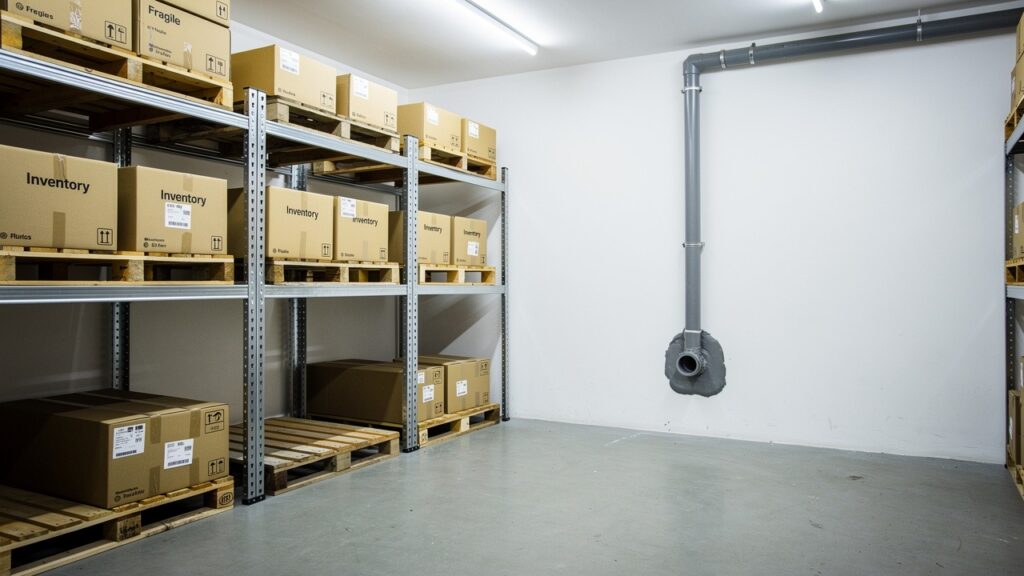
A clear termite prevention checklist helps Singapore property owners fix moisture issues, remove food sources, and plan regular inspections. Simple steps, when combined with professional checks, greatly lower the odds of a large infestation.
- Reduce moisture wherever you can. Repair leaking pipes, air-conditioner drains, and roof seepage quickly. Good airflow in storerooms and under sinks keeps wood drier and less attractive to termites.
- Store timber and cardboard sensibly. Keep pallets, cartons, and spare wood off the ground and away from exterior walls. Using racks instead of floor storage removes easy termite access to food.
- Clear outdoor clutter from around buildings. Old tree stumps, rotting planters, and unused wooden structures give termites a safe base. Removing these items shortens the path from soil nests to your main structure.
- Seal cracks in walls and flooring. Small gaps around pipes, cable entries, and skirting boards can become entry routes. Flexible sealant and covers over service openings block many of these paths.
- Add screens to vents and high openings. Fine mesh at roof vents and service panels helps keep flying swarmers out. This step is especially useful for landed homes and commercial units with roof spaces.
- Schedule professional inspections every six to twelve months. Experienced technicians spot early signs long before owners notice anything, and understanding the impact of termiticides on termite behaviour helps them decide when and how to intervene during scheduled inspections.
According to guidance from the US Environmental Protection Agency, soil treatments for new buildings can protect for several years when applied correctly, so planning protection early pays off. For existing homes and business premises, combining these habits with regular termite control in Singapore gives the strongest defence.
Take The Right Step Against Termites Today
Taking the right step against termites today means acting fast, hiring certified help, and keeping long-term prevention in mind. Singapore’s climate will not give your property a break, so delay only helps the colony grow.
Trusted termite control singapore is far cheaper than rebuilding damaged floors, shelves, or entire rooms. Book an inspection with an NEA-licensed specialist as soon as you notice signs, then keep up with regular checks and basic prevention habits.
If you prefer a service partner that focuses on quality from inspection through to follow-up, Aardwolf Pestkare offers termite management for both homes and businesses, guided by its promise: “When Quality Pest Management Really Matters.”
Frequently Asked Questions
This frequently asked questions section answers common points about termite cost, timing, safety, and treatment types in Singapore. Each reply stands alone so you can scan quickly.
Question: How much does termite control cost in Singapore?
The cost of termite control singapore varies by property size, species, and damage level. Pricing also depends on whether you need baiting, soil treatment, or fumigation. Reputable companies usually inspect on site before quoting, instead of giving flat prices by phone. Preventive plans almost always cost less than major repairs after years of damage.
Question: How long does termite treatment take to work?
Most professional programs take about four to twelve weeks to clear a colony fully, consistent with a study on area-wide subterranean termite management through baiting strategies showing that bait systems need time for termites to share the active ingredient through feeding. Technicians usually visit every one or two weeks to track activity and adjust placements. When monitoring shows no fresh activity, the colony is considered cleared.
Question: Can termites come back after treatment?
Yes, termites can return if new colonies find moisture and easy access points. Good providers offer service warranties and scheduled checks to catch fresh activity early. Your own prevention habits, such as fixing leaks and storing timber well, also matter. Regular inspections remain the best way to avoid another surprise.
Question: Is termite treatment safe for children and pets?
Treatments from NEA-licensed firms use regulated termiticides applied with safety rules in mind. You may be asked to keep children and pets out of treated rooms for a short period. Some providers also offer lower-odour or eco-focused options. Always ask your technician what steps to follow before and after the visit.
Question: What is the difference between subterranean and drywood termite treatment?
Subterranean termites usually respond best to baiting, soil treatment, and corrective injection into floors or beams. These methods target colonies that live in soil and move through mud tubes. Drywood termites live inside dry timber, so they often need fumigation or extensive spot treatment that reaches deep into sealed wood. Correct species identification by a licensed inspector is the first and most important step.