Subterranean Termites, Drywood Termites, and Dampwood Termites, known as silent destroyers and white ants, quietly destroy homes across Singapore, leading to millions of dollars in repair costs and financial losses from structural damage each year. According to NParks and NEA, there are over 10,000 termite infestations and termite colonies reported annually in Singapore. To prevent expensive repairs, health hazards, and safety concerns such as allergies, it’s important to achieve early detection of Mud Tubes, Termite Frass, discarded wings, termite swarmers, termite droppings, hollow-sounding wood, hollow wood, swollen wood, sagging floors, and termite activity at the earliest stage through termite inspection.
Key warning signs, thorough inspection methods like thermal imaging, soundwave technology, moisture detection, iTraker Pro, annual inspection, and regular inspections, integrated pest management (IPM) strategies, termite management, pest management, termite control, professional pest control, eco-friendly pest control, termite prevention, preventive measures, preventive maintenance, and associated costs, termite treatment costs are essential to understand.
Unlike Rentokil Singapore, ORIGIN Exterminators, Rentokil, Killem Pest, PestBusters Singapore, Pestbusters Singapore, Origin Exterminators, Ardent Pest Management, Aardwolf Pestkare’s NEA-licensed professional services provide effective termite treatment solutions like soil treatment, termiticide, spot treatment, baiting systems, termite baiting, chemical barrier, physical barriers, pre-construction treatment, post-construction treatment—schedule an appointment today for property maintenance and property protection before the termite infestation escalates in HDB flats, HDB units, landed properties, landed homes.
Key Takeaways:
- Early detection prevents extensive termite damage and structural damage to wooden structures in homes, HDB, and properties in Singapore’s humid tropical climate and moist environments, where Singapore termites, termite species like Coptotermes in Southeast Asia silently devour wood cellulose, saving property value, property resale value from costly repairs.
- Treating termite infestations early with termite colony elimination is far more cost-effective than late interventions, minimizing expenses on repairs and replacements through timely expert termite inspections, preventing building safety issues and health hazards from termite reproduction in damp wood, poor maintenance.
- Accurate detection with hygiene audit and facility hygiene services avoids public health risks from termite debris, mold at construction sites, Keng Cheow Street, SEA Pte. Ltd., URA areas, ensuring safer living environments with professional services like Aardwolf Pestkare’s Integrated Pest Management (IPM) approach, Termites control Singapore.
Prevention of Structural Damage
Hey, imagine discovering sagging floors or hollow-sounding wood in your HDB flat or landed property. That’s the nightmare of termite damage from termite colonies causing structural damage to wooden structures. Early detection through regular termite inspections can stop this before it escalates.
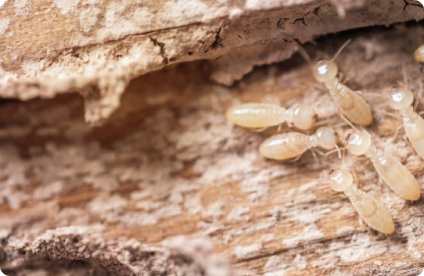
Termites, known as Silent Destroyers, thrive in Singapore’s tropical climate and target wooden beams, door frames, and flooring in HDB flats and landed properties. Subterranean termites build mud tubes to access homes, while Drywood Termites leave Termite Frass (Frass) as evidence. Preventive maintenance like annual inspections protects your property from these hidden threats.
In HDB units, termite infestations often start in damp areas, leading to weakened supports and safety concerns. Landed homes face risks to larger wooden structures, like roof trusses, resulting in high repair costs. Termite prevention measures, such as Soil Treatment and physical barriers, safeguard building safety and maintain property value.
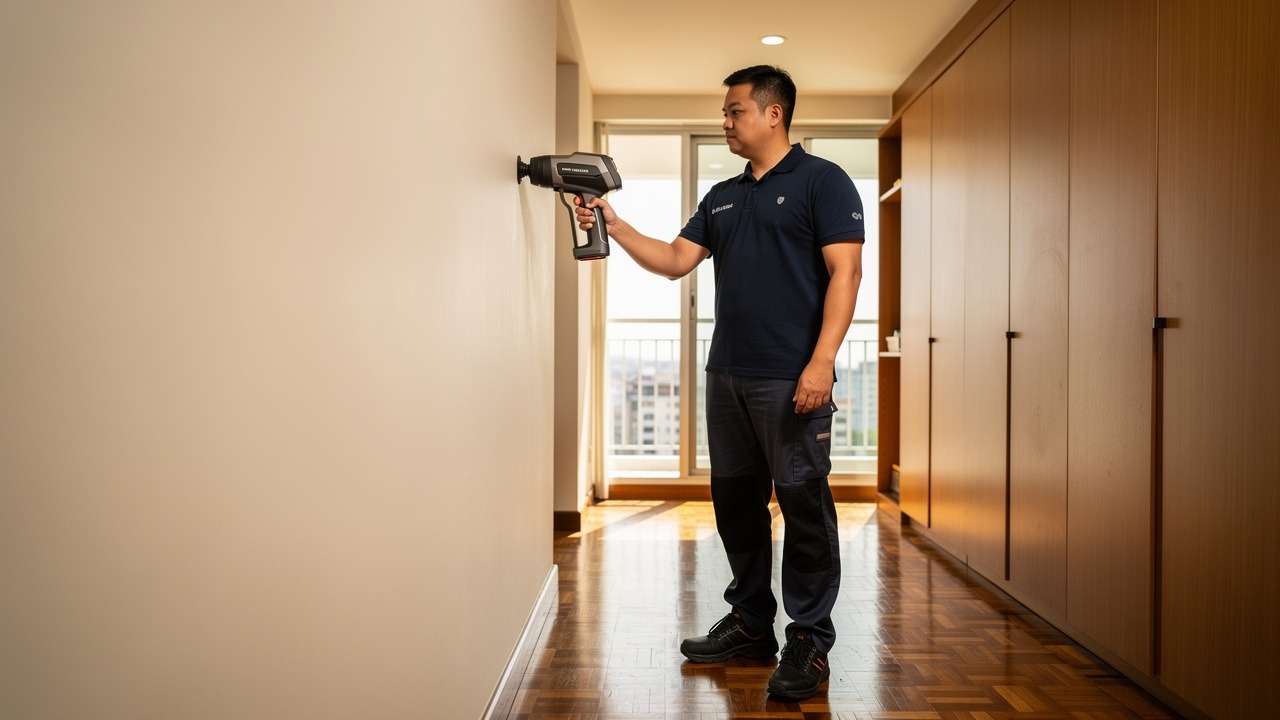
Professional pest control uses tools like Thermal Imaging and moisture detection for accurate termite activity identification. Options include termite baiting, chemical barriers, and integrated pest management for property protection. Early termite treatment prevents financial losses and ensures long-term preventive maintenance.
Cost-Effectiveness of Early Treatment
Catching Thermites infestation early with termite treatment saves you big on repair costs and financial losses, keeping your property value and property resale value high in Singapore. Late-stage termite damage often leads to extensive structural repairs in HDB flats or landed properties. Early detection prevents these issues from escalating.
Annual inspections serve as a key preventive measure for termite control. Professionals use tools like thermal imaging to spot termite activity in wooden structures before visible signs appear. This approach avoids the high costs of fixing sagging floors or hollow-sounding wood.
Opting for eco-friendly pest control and professional pest control from firms like Rentokil Singapore enhances long-term savings. Methods such as termite baiting and soil treatment target subterranean termites effectively without harsh chemicals. These strategies protect against silent destroyers in Singapore’s tropical climate.
Regular termite inspections maintain property protection and support integrated pest management. Homeowners in landed homes or HDB units benefit from spotting signs like discarded wings or termite frass early. This proactive termite prevention ensures building safety and reduces future financial losses.
Health Risks Associated with Termite Infestations
NEA notes that termite infestations in moist environments can lead to health hazards beyond structural issues, impacting public health in homes like HDB units. Termite colonies thrive in damp wood, creating conditions that foster mold and fungal growth. These elements release spores into the air, potentially aggravating respiratory problems for residents.
Poor maintenance often worsens these risks, as leaking pipes or high humidity in Singapore’s tropical climate attract Subterranean Termites and Dampwood Termites. The NEA guidelines emphasize proper property maintenance to prevent such infestations. Families in landed properties or HDB flats face heightened safety concerns when termite activity goes unnoticed.
Early detection through signs like discarded wings or termite frass helps mitigate health threats. Regular termite inspections align with NEA recommendations for termite management. This approach protects family well-being by addressing damp wood issues promptly.
Experts recommend combining preventive measures with professional pest control to safeguard indoor air quality. In moist environments, termite treatment reduces mold risks tied to termite colonies. Prioritizing these steps ensures building safety in Singapore homes.
Common Signs of Termite Infestations to Watch For
Spotting common signs of termite infestations early can save your home from silent destroyers. Keep an eye out for mud tubes, termite frass, discarded wings, hollow wood, swollen wood, and termite swarmers. In Southeast Asia and Singapore’s tropical climate, these clues point to active termite colonies.
Early detection using tools like thermal imaging and moisture detection reveals hidden termite activity. Professionals during termite inspection check for these signs in HDB flats and landed properties. This approach prevents structural damage and high repair costs.
Watch wooden structures closely, as Singapore termites thrive in moist environments. Look for hollow-sounding wood by tapping beams or sagging floors. Prompt termite control like soil treatment or termite baiting stops termite damage from spreading.
Regular annual inspections and preventive measures protect your property value. Experts recommend integrated pest management for property protection. Early action ensures building safety in humid conditions.
Mud Tubes: Pathways for Subterranean Termites
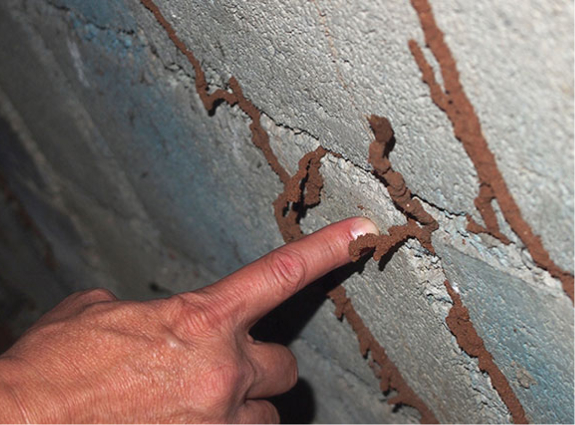
Mud tubes are telltale pathways built by Subterranean Termites like Coptotermes to travel from soil to wood in Singapore’s moist environment. These pencil-sized tunnels protect termites from drying out. Spot them along foundations or walls during routine checks.
During termite inspection, professionals use thermal imaging to detect heat from active termite colonies inside tubes. In landed homes and HDB units, Mud Tubes signal serious termite infestation. Breaking them open reveals live termites, confirming activity.
For termite control, apply soil treatment or chemical barriers around the property. This disrupts termite reproduction and colonies underground. Combine with physical barriers for long-term termite prevention.
Early detection of mud tubes avoids financial losses from structural damage. Schedule professional pest control for eco-friendly pest control options. Regular property maintenance keeps these silent destroyers at bay.
Termite Frass and Discarded Wings
Termite frass, also known as termite droppings, and discarded wings from termite swarmers signal Drywood Termites at work in your wooden structures. Frass resembles small, dry pellets like sawdust. Wings appear near windowsills after swarming events.
These signs differ from subterranean termites, as drywood termites live inside wood without soil contact. In Singapore’s tropical climate, check attics and furniture for piles of frass. Moisture detection tools help pinpoint nests during termite inspection.
Early detection calls for professional pest control like ORIGIN Exterminators using spot treatment or termite baiting. This targets termite colonies without widespread chemicals. Avoid disturbing droppings to prevent further spread.
Act quickly to limit termite damage and protect property resale value. Preventive maintenance includes annual inspection for these clues. Effective termite management safeguards your home from hidden threats.
Hollow Wood, Swollen Wood, and Swarmers
Tap on wood. If it sounds hollow or looks swollen, termite swarmers from dampwood termites might be behind the damp wood damage. These signs indicate internal eating of wood cellulose. Common in moist environments like bathrooms or leaks.
Hollow-sounding wood and swollen wood show advanced termite activity. Use a screwdriver to probe for softness in beams or door frames. Thermal imaging during termite inspection confirms heat from nests inside.
For dampwood termites, fix moisture sources first, then apply termite treatment. URA recommended pre-construction treatment or post-construction treatment prevents issues in new builds. Integrated pest management combines fixes for lasting results.
Urge termite inspection to avoid sagging floors and safety concerns. Regular inspections catch termite infestations early, reducing health hazards. Protect construction sites and homes with proactive pest management.
Top Reasons to Book Early Termite Inspection in Singapore
Booking early termite inspection in Singapore for your HDB flats or landed homes is a smart move for regular inspections and property maintenance by NEA-licensed pros. These experts use tools like thermal imaging and moisture detection to spot termite activity before it escalates. Early checks help protect wooden structures from silent destroyers in the tropical climate.
One key reason is preventing termite damage to structural elements. Subterranean termites build mud tubes along foundations, while drywood termites leave termite frass inside wood. Catching signs like discarded wings or hollow-sounding wood early avoids sagging floors and swollen wood.
Cost savings stand out with early detection. Spotting a small termite colony allows for targeted soil treatment or baiting systems, far cheaper than repairing extensive structural damage later. NEA-licensed services ensure effective termite control without unnecessary expenses.
- Annual inspections catch hidden infestations in moist environments common to HDB units and landed properties.
- Compared to competitors like Rentokil Singapore, ORIGIN Exterminators, Killem Pest, or PestBusters Singapore, NEA-licensed pros offer specialized expertise in integrated pest management.
- Preventive measures like pre-construction treatment and physical barriers safeguard property value and resale value.
- Early action minimizes health hazards from termite swarmers and poor maintenance issues.
Prevent Extensive Termite Damage
Early termite inspection stops termite infestations from spreading to load-bearing beams in HDB flats. Subterranean termites thrive in Singapore’s tropical climate, tunneling through soil to reach damp wood. Without prompt checks, this leads to hollow wood and compromised building safety.
Drywood and dampwood termites target attics and furniture, creating termite droppings as telltale signs. Professional pest control uses thermal imaging to detect heat from termite colonies inside walls. This approach prevents sagging floors and financial losses from major repairs.
Achieve Significant Cost Savings
Opting for annual inspection keeps repair costs low by addressing termite activity at the source. A minor spot treatment or chemical barrier costs less than rebuilding infested sections of landed homes. Experts recommend this for long-term property protection.
Post-construction treatment and termite baiting target colonies efficiently when detected early. Skipping regular inspections risks exponential termite reproduction, driving up expenses. NEA-licensed teams provide eco-friendly pest control options tailored to Singapore termites.
Ensure Superior Expertise Over Competitors
NEA-licensed pros surpass general services like Rentokil Singapore or Pestbusters Singapore in termite management. They specialize in local termite species, using integrated pest management for HDB units and construction sites. This includes precise moisture detection and preventive maintenance.
Unlike broader pest control firms, these experts focus on termite prevention with baiting systems and physical barriers. They identify risks in moist environments early, ensuring thorough termite treatment. Property owners gain peace of mind with reliable, licensed termite control Singapore solutions.
Typical Termite Inspection Cost and What It Covers
Termite inspection cost in Singapore is affordable for HDB units and landed properties, covering thermal imaging, soundwave technology, and tools like iTraker Pro. These methods help detect termite activity early, such as mud tubes or hollow-sounding wood. Property owners gain peace of mind through precise assessments.
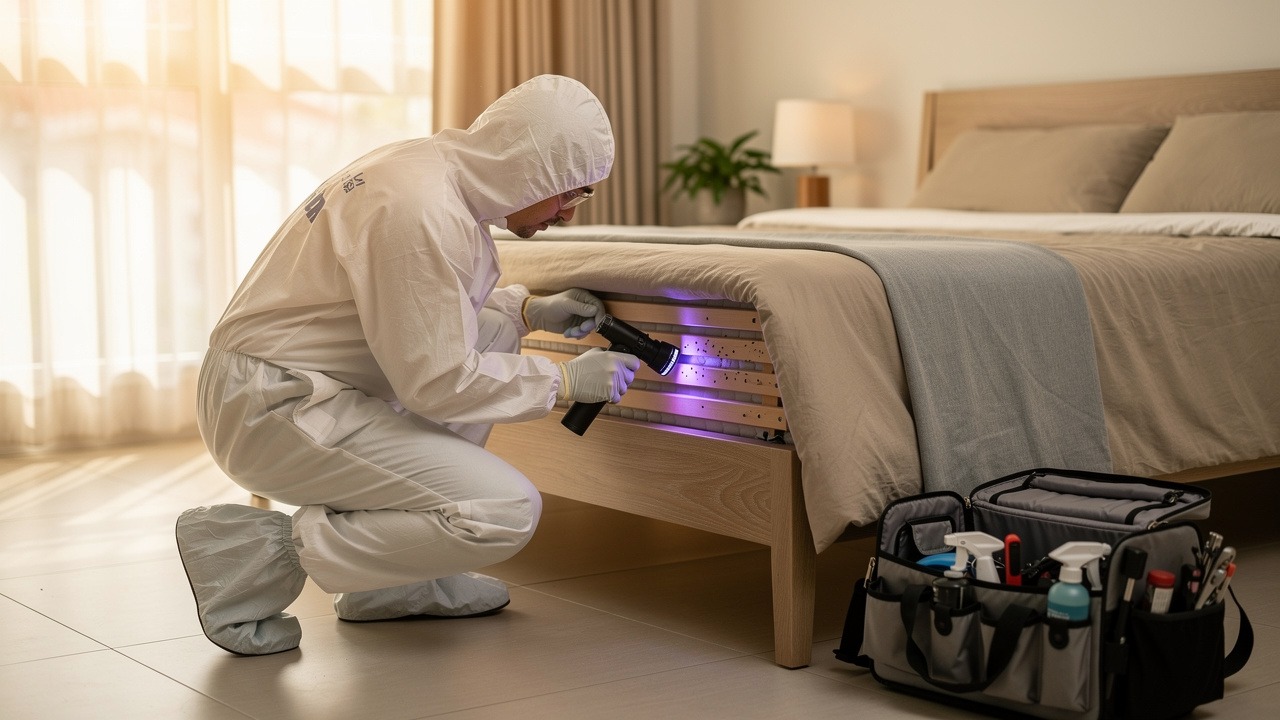
A standard termite inspection includes visual checks for signs like discarded wings, termite frass, and sagging floors. Technicians use thermal imaging to spot hidden heat from termite colonies in walls or floors. This comprehensive approach ensures no termite infestation goes unnoticed in Singapore’s tropical climate.
Inspections also cover moisture detection in moist environments, crucial for subterranean termites and drywood termites. Experts examine wooden structures for swelling or damage, recommending preventive measures like soil treatment if needed. This proactive step supports property protection and avoids structural damage.
- Visual scan for mud tubes and termite swarmers
- Soundwave tools to identify hollow wood
- Advanced detection for dampwood termites in HDB flats
- Report with advice on termite baiting or spot treatment
Breakdown of Inspection Costs for HDB Units and Landed Homes
For HDB units, termite inspection costs remain low, often starting with basic visual and tool-based checks. Landed properties may involve more extensive scans due to larger areas and gardens. These fees reflect the value in preventing termite damage that could lead to high repair costs.
Costs cover professional use of thermal imaging for hidden colonies and moisture probes for damp wood. In landed homes, inspections include soil around foundations for subterranean termites. Early detection here protects against financial losses from infestations.
Experts recommend annual inspection as part of property maintenance, especially in areas prone to moist environments. This investment far outweighs expenses from termite treatment after damage appears. Homeowners in Singapore benefit from NEA-licensed services for thorough coverage.
Value of Inspection Over Repair Costs
Choosing termite inspection saves money compared to repairing structural damage from silent destroyers like termite colonies. A single unchecked infestation can weaken beams, causing sagging floors or safety concerns. Early detection through regular inspections preserves property value and resale potential.
Repair costs for hollow wood or swollen wood escalate quickly, involving wood replacement and pest control. Inspections identify issues like termite droppings before they spread, allowing simple solutions like baiting systems. This approach aligns with integrated pest management for long-term termite prevention.
Property owners avoid health hazards from wood cellulose breakdown and poor maintenance fallout. Professional pest control via inspection ensures building safety without invasive fixes. In HDB flats and landed properties, this makes inspections a smart choice for termite control Singapore.
What to Expect During the Termite Inspection Process
During the termite inspection process, expect a thorough on-site assessment with thermal imaging and moisture detection by professional pest control experts. This step ensures early detection of termite activity in Singapore’s tropical climate. Experts check for signs like mud tubes and termite frass to prevent structural damage.
The process begins with booking and moves to detailed on-site assessment, ending with a clear quotation. In HDB flats or landed properties, inspectors focus on moist environments where subterranean termites thrive. Accurate findings support effective termite management and property protection.
NEA-licensed professionals use advanced tools for precision. They identify termite infestations hidden in wooden structures, such as hollow-sounding wood or discarded wings. This ties directly to preventive maintenance for long-term termite control in Singapore.
Regular termite inspections catch silent destroyers early, reducing repair costs from termite damage. The full process builds trust in professional pest control. It safeguards building safety and property value.
Booking and Initial Site Visit
Start with easy booking for your initial site visit to HDB flats or landed properties by NEA-licensed termite control specialists. They offer quick response times suited to Singapore’s busy schedules. This links to preventive maintenance for termite prevention.
Contact specialists for an appointment tailored to your property type. For landed homes, they prioritize gardens and perimeters. In HDB units, focus shifts to walls and false ceilings where termite colonies hide.
During the visit, experts note moisture levels and wood cellulose sources. This identifies risks from poor maintenance in the tropical climate. Early booking supports annual inspections to avoid financial losses.
Expect a professional arrival with necessary tools. They discuss your concerns about termite swarmers or sagging floors. This sets the stage for accurate termite inspection and property maintenance.
On-Site Assessment and Detection
Our on-site assessment uses thermal imaging to spot mud tubes and termite frass for precise termite detection. Inspectors also employ moisture detection tools to find damp spots. This reveals termite activity in moist environments.
Professionals tap wood for hollow-sounding wood and check for swollen wood or termite droppings. They examine crawl spaces, attics, and foundations in landed properties. In HDB flats, attention goes to pipe areas and wooden frames.
Tools detect subterranean termites, drywood termites, or dampwood termites common in Singapore. Signs like discarded wings confirm active termite infestations. Expertise ensures no termite colony goes unnoticed.
This thorough check builds trust in pest management. It highlights potential structural damage early. Accurate detection prevents health hazards and supports integrated pest management.
Quotation, Treatment Options, and Implementation
Get a clear quotation with treatment options like soil treatment or spot treatment, followed by swift implementation. Specialists explain costs based on infestation size. This transparency aids termite management decisions.
Options include termite baiting, chemical barriers, or baiting systems for eco-friendly pest control. For pre-construction, physical barriers work well. Post-construction uses termite treatment like liquid applications.
- Soil treatment targets subterranean termites around foundations.
- Spot treatment handles localized drywood termites.
- Baiting systems eliminate entire termite colonies over time.
Implementation follows safety protocols for property protection. Teams apply treatments with minimal disruption. This maintains property resale value and ensures termite control Singapore standards.
Integrated Pest Management (IPM) for Sustainable Termite Control
Integrated Pest Management (IPM) offers sustainable termite control through eco-friendly pest control strategies beyond just chemicals. This approach combines monitoring, prevention, and targeted treatments to manage termite infestations effectively in Singapore’s tropical climate. It minimizes environmental impact while protecting wooden structures from silent destroyers like subterranean termites and drywood termites.
Unlike competitors such as Rentokil Singapore or PestBusters Singapore, which often rely heavily on chemical barriers, IPM prioritizes early detection and long-term termite prevention. Professionals using IPM conduct termite inspections to spot signs like mud tubes, discarded wings, or termite frass. This method reduces reliance on broad-spectrum pesticides, promoting property safety in HDB flats and landed properties.
IPM integrates tools like thermal imaging for moisture detection and termite baiting systems to target termite colonies. It supports building safety by addressing termite activity before it causes structural damage, such as hollow-sounding wood or sagging floors. Homeowners benefit from lower repair costs and preserved property value.
For termite management in moist environments common to landed homes and HDB units, IPM emphasizes preventive maintenance. It contrasts with spot treatments from firms like Origin Exterminators by focusing on holistic pest control. Regular application ensures ongoing protection against Singapore termites.
Inspection and Monitoring
IPM starts with inspection and monitoring using termite baiting and baiting systems for ongoing vigilance. Trained experts perform annual inspections to detect termite activity early, checking for clues like swollen wood or termite droppings in damp wood areas. This step is crucial for property protection in Singapore’s humid conditions.
Regular inspections involve examining foundations, attics, and crawl spaces in HDB flats and construction sites. Thermal imaging reveals hidden termite damage, while bait stations monitor colony growth without immediate chemicals. These methods support eco-friendly pest control and prevent financial losses from undetected infestations.
Baiting systems attract subterranean termites, dampwood termites, and drywood termites to monitored points. Professionals replace baits as needed, tracking termite reproduction and swarmers. This proactive approach outperforms reactive services from Rentokil Singapore or PestBusters Singapore.
In landed properties, termite inspection includes moisture-prone spots like bathrooms and gardens. Ongoing monitoring ensures termite prevention, reducing health hazards from wood cellulose breakdown. Property owners gain peace of mind through consistent vigilance.
Threshold Levels and Control Measures
Once threshold levels are hit, IPM applies control measures like termite baiting, soil treatment, physical barriers, or chemical barriers. These trigger only after confirmed termite infestation signs, such as hollow wood or active mud tubes. This targeted response minimizes chemical use while ensuring effective termite treatment.
Pre-construction treatment applies barriers during building in high-risk areas like construction sites. Post-construction treatment uses spot treatment for existing issues in HDB units and landed homes. Physical barriers, like metal shields, block termite entry into wooden structures.
For severe cases, soil treatment creates protective zones around foundations, ideal for moist environments. Integrated pest management combines these with poor maintenance fixes to eliminate attractants. NEA-licensed services ensure safe application, differing from competitors’ blanket approaches.
Control measures address termite species specific to Singapore, safeguarding against safety concerns and property resale value drops. Examples include baiting for colony elimination and barriers for long-term defense. This sustains property maintenance and prevents recurring termite colonies.
Why Choose Expert Termite Control Services in Singapore
Choose expert termite control services like NEA-licensed Aardwolf Pestkare over Rentokil Singapore, ORIGIN Exterminators, Killem Pest, or PestBusters Singapore for top termite management. Aardwolf Pestkare stands out with its specialized focus on Singapore termites such as subterranean, drywood, and dampwood species. Their NEA-licensed technicians deliver precise termite inspections and treatments tailored to the tropical climate.
Expert services emphasize early detection using tools like thermal imaging and moisture detection to spot mud tubes, discarded wings, and termite frass before structural damage occurs. In contrast to general pest control, Aardwolf prioritizes integrated pest management with eco-friendly options like baiting systems and soil treatment. This approach protects HDB flats and landed homes from silent destroyers that thrive in moist environments.
Aardwolf excels in property protection through annual inspections, pre-construction treatment, and post-construction barriers. They address common signs like hollow-sounding wood, sagging floors, and swollen wood in wooden structures. Homeowners benefit from preventive measures that safeguard against termite colonies and reduce repair costs or health hazards from infestations.
Compared to competitors, Aardwolf offers customized solutions for HDB units and landed properties, including spot treatment and chemical barriers. Their professional pest control ensures long-term termite prevention and boosts property resale value. Regular inspections catch termite activity early, preventing financial losses from unchecked infestations.
Book Your Termite Inspection Before It’s Too Late
Don’t wait – book your termite inspection today for termite prevention and property maintenance in Singapore before termite infestations strike. Early detection spots signs like mud tubes or discarded wings before they cause structural damage. Acting now protects your HDB flats or landed properties from silent destroyers.
Regular inspections reveal termite activity in moist environments, such as hollow-sounding wood or termite frass. Professionals use thermal imaging and moisture detection to identify subterranean termites or drywood termites early. This preventive maintenance saves on repair costs and maintains property value.
Schedule an annual inspection as part of integrated pest management for wooden structures and construction sites. Termite baiting and soil treatment stop colonies before they spread. Contact Aardwolf Pestkare, your NEA-licensed experts for eco-friendly pest control in Singapore’s tropical climate.
Prevent sagging floors, swollen wood, or safety concerns with professional termite management. Early termite control avoids financial losses from termite damage. Reach Aardwolf Pestkare at their Singapore office for prompt service on HDB units, landed homes, or commercial spaces.
Frequently Asked Questions
Got questions on termite control Singapore, termite species, or termite reproduction in termite colonies? We’ve got answers, from White Ants myths to URA guidelines for construction sites.
These FAQs address common concerns about termite infestations in HDB flats and landed properties. Learn about early detection signs like discarded wings and mud tubes. Professional pest control helps prevent structural damage.
Experts recommend annual inspections in Singapore’s tropical climate. Understand how subterranean termites thrive in moist environments. This knowledge supports effective termite management.
From termiticide options to baiting systems, find practical advice here. Protect your property value with preventive measures. Stay informed on termite activity and treatment methods.
What are the main termite species in Singapore?
Coptotermes formosanus leads as a primary termite species in Southeast Asia, including Singapore termites. These subterranean termites build mud tubes to access wooden structures. Drywood termites and dampwood termites also pose risks in damp wood.
Termite colonies of Coptotermes grow large and cause hidden termite damage. They target HDB units and landed homes equally. Early termite inspection spots these silent destroyers.
Recognize them by termite frass or hollow-sounding wood. Thermal imaging aids professional detection. Regular property maintenance keeps infestations at bay.
URA guidelines for construction sites stress pre-construction treatment. This prevents termite activity from the start. Choose NEA-licensed services for reliable termites control Singapore.
Why do termites need wood cellulose and moist environments?
Termites survive on a wood cellulose diet, breaking down timber in homes. They require moist environments to digest this material through gut microbes. Poor maintenance creates ideal conditions for termite colonies.
In Singapore’s tropical climate, high humidity fuels termite reproduction. Swollen wood and sagging floors signal active infestations. Moisture detection tools help during termite inspections.
Termite swarmers emerge in wet seasons, starting new colonies. Protect against health hazards from termite droppings. Integrated pest management reduces these risks.
Preventive measures like physical barriers work well. Combine with soil treatment for lasting property protection. Eco-friendly pest control options suit HDB flats.
How can I detect termite infestations early?
Look for discarded wings, termite frass, or mud tubes near foundations. Hollow-sounding wood and termite droppings indicate hidden activity. Early detection saves on repair costs and financial losses.
Check for sagging floors or bulging paint in wooden structures. Schedule professional pest control for thorough termite inspection. Thermal imaging reveals termite damage without demolition.
Annual inspection catches issues before structural damage spreads. Focus on damp areas in landed properties. This approach boosts property resale value.
Spot treatment or baiting systems follow detection. Services like Rentokil Singapore or Pestbusters Singapore offer expertise. Prioritize building safety through regular checks.
What termite treatments are effective in Singapore?
Termiticide applications create chemical barriers for subterranean termites. Termite baiting targets entire colonies effectively. Soil treatment protects new constructions per URA rules.
Post-construction treatment suits existing HDB flats and landed homes. Integrated pest management combines methods for best results. Eco-friendly options minimize environmental impact.
Pre-construction treatment prevents future infestations. Professional services ensure safe application. This maintains property value and avoids safety concerns.
Choose NEA-licensed providers like Origin Exterminators or Killem Pest. Regular inspections support ongoing termite prevention. Protect against termite management challenges in tropical settings.
Unlike White Ants myths, termites require professional handling.
Ardent Pest Management offers Hygiene Audit and Facility Hygiene Services at Keng Cheow Street by SEA Pte. Ltd.
Frequently Asked Questions
Why Termite Control Singapore Requires Early and Accurate Detection: What Are the Main Risks of Delayed Detection?
Why Termite Control Singapore Requires Early and Accurate Detection is crucial because termites can cause extensive structural damage silently within walls and foundations. Delayed detection allows colonies to grow, leading to costly repairs. Aardwolf Pestkare uses advanced detection tools for timely interventions, preventing severe infestations.
Why Termite Control Singapore Requires Early and Accurate Detection: How Do Termites Spread in Singapore’s Climate?
In Singapore’s humid climate, termites thrive and spread rapidly through soil or wood contact. Why Termite Control Singapore Requires Early and Accurate Detection ensures hidden nests are found before they invade homes. Aardwolf Pestkare’s experts identify early signs, offering comprehensive termite control alongside other pest solutions like ant and cockroach management.
Why Termite Control Singapore Requires Early and Accurate Detection: What Signs Should Homeowners Watch For?
Why Termite Control Singapore Requires Early and Accurate Detection helps spot subtle signs like mud tubes, discarded wings, or hollow-sounding wood. Early vigilance prevents major damage. Trust Aardwolf Pestkare for precise inspections and tailored termite control services, backed by their proven pest management expertise.
Why Termite Control Singapore Requires Early and Accurate Detection: Why Is Professional Inspection Essential?
DIY methods often miss subterranean termites common in Singapore. Why Termite Control Singapore Requires Early and Accurate Detection relies on professionals using thermal imaging and moisture meters. Aardwolf Pestkare provides thorough assessments, ensuring long-term protection with their integrated pest control offerings.
Why Termite Control Singapore Requires Early and Accurate Detection: How Does Early Action Save Costs?
Early detection in Why Termite Control in Singapore Requires Early and Accurate Detection can reduce treatment costs by up to 80% compared to full infestations requiring structural fixes. Aardwolf Pestkare’s proactive services minimize expenses while protecting your property, with additional solutions for rodents and bed bugs.
Why Termite Control Singapore Requires Early and Accurate Detection: What Makes Aardwolf Pestkare the Best Choice?
Aardwolf Pestkare excels in Why Termite Control Singapore Requires Early and Accurate Detection through certified technicians and non-invasive methods. Their expertise ensures complete eradication and prevention, complemented by a wide range of pest control services for total home protection.