Are you dealing with an infestation of mosquitoes, tiger mosquitoes, and Aedes aegypti around your home in Singapore?
Learn about the optimal times and locations for In2Care and Biogents mosquito traps and Biogents BG-Mosquitaire in residential areas, including prime resting areas, shaded areas, shady places, breeding sites, breeding grounds, breeding habitats, and the mosquito season peak seasons following heavy rainfall and heavy rain.
We cover essential trap positioning and best spot placement guidelines, key performance factors such as catch rate, regular maintenance, regular housekeeping, suction power, minimum distance, and how Aardwolf Pestkare’s professional pest control installations provide effective, environmentally friendly mosquito control and pest control solutions.
Ready to take back control of your outdoor spaces? Explore these proven strategies.
Key Takeaways:
- Install In2Care and Biogents traps in shaded resting spots and breeding areas like gardens for optimal mosquito capture in Singapore homes.
- Deploy traps during peak rainy seasons and post-rainfall periods when mosquito populations surge for maximum effectiveness.
- Professional services ensure proper maintenance, eco-friendly placement, and safety, boosting trap performance in residential areas.
Best Mosquito Trap Technology for Singapore Homes
Hey, if you’re dealing with tiger mosquitoes in your Singapore home, the best mosquito trap technology like Biogents BG-Mosquitaire and In2Care stands out with powerful suction power and impressive catch rates for Aedes aegypti.
These traps excel in Singapore’s tropical climate, where heavy rainfall creates breeding grounds in roof gutters, choked drains, and ground puddles. Place them in the best spot like shaded areas or garden edges to target adult mosquitoes resting in shady places.
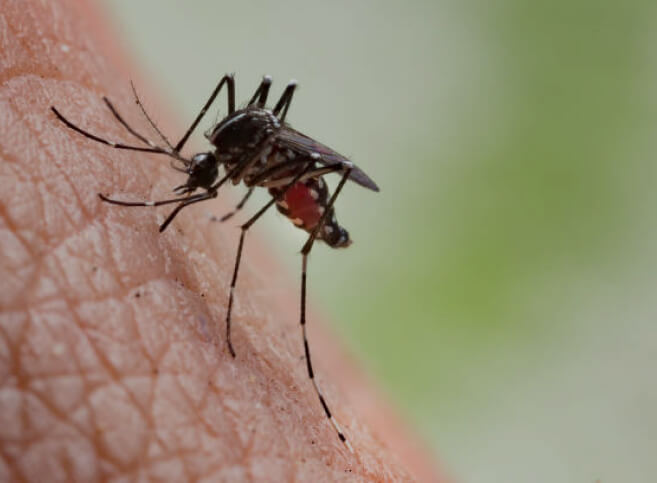
For optimal mosquito population control, trap positioning matters. Experts recommend a sheltered position away from strong air currents, such as behind wind-protected hedges, to maximize catch rate and reduce mosquito bites that spread dengue fever, zika virus, or chikungunya.
Aardwolf Pestkare’s professional installation ensures traps work in the protected area of your home, integrating with source reduction to prevent breeding sites in discarded containers or water storage containers. This approach beats traditional methods like citronella or essential oils.
How In2Care and Biogents Traps Work
In2Care and Biogents BG-Mosquitaire traps cleverly disrupt mosquito breeding by using larviciding, insecticides, insect growth regulators, and entomopathogenic fungus to target Aedes mosquitoes at source.
In2Care stations in standing water or gully traps let female Aedes albopictus lay eggs, which then spread fungus to nearby breeding habitats. This vector control method reduces the mosquito population without constant chemical use, complementing mosquito prevention in homes.
Biogents BG-Mosquitaire uses suction power to pull in adult mosquitoes attracted to human scent mimics, trapping them in resting areas like damp biotopes or ventilator runs. It focuses on Aedes aegypti, key carriers of dengue haemorrhagic fever and japanese encephalitis.
Aardwolf Pestkare’s eco-friendly pest control pairs these with regular housekeeping to eliminate stagnant water in rain barrels or flower pots. Unlike thermal fogging by the National Environment Agency, traps offer ongoing mosquito control as a pest control operator service.
Optimal Locations for Residential Installations
Picking the right spots like resting areas near garden edges or shaded areas makes your outdoor trap super effective in Singapore homes. These positions boost trap visibility and align with mosquito flight patterns in our tropical climate. Place traps where air currents carry adult mosquitoes toward the suction power.
Choose garden edges or wind-protected hedges to maximize catch rate. Keep a minimum distance from doors and windows to avoid drawing mosquitoes indoors. This setup supports pet protection by targeting mosquitoes before they reach play areas.
In shaded areas or sheltered positions, traps like the Biogents BG-Mosquitaire perform best against Aedes aegypti and tiger mosquitoes. Avoid direct sunlight to maintain efficiency during mosquito season. Professionals ensure precise trap positioning for optimal results.
For residential mosquito control, trust Aardwolf Pestkare for installations that consider damp biotopes and local conditions. Their experts handle outdoor trap setups near rain barrels or roof gutters. This approach cuts down on dengue fever and zika virus risks from mosquito bites.
Resting Spots, Breeding Areas and Placement Tips
Focus on resting spots and breeding areas like ground puddles, choked drains, gully traps, and rain barrels for smart placement tips. Position mosquito traps nearby to intercept adult mosquitoes emerging from these sites. This targets mosquito population growth in Singapore’s heavy rainfall periods.
Avoid common breeding habitats such as toilet bowls or flower pots through source reduction. Empty stagnant water from discarded containers and water storage containers weekly. Combine this with regular housekeeping to prevent Aedes mosquitoes from thriving.
Place traps in shady places or near ventilator runs for better airflow and suction. Steer clear of citronella or lemongrass plants that might repel mosquitoes from the trap. Experts recommend larviciding in hard-to-reach spots alongside trap use.
Aardwolf Pestkare offers professional pest control as a licensed pest control operator. They provide vector control services, including source reduction and precise trap setups. This helps curb dengue cases, chikungunya, and disease transmission in residential areas.
Ideal Timing for Maximum Effectiveness
Timing your mosquito trap installation right during mosquito season or after heavy rainfall maximizes effectiveness against dengue clusters.
In Singapore’s tropical climate, standing water and stagnant water from rain create perfect breeding sites for Aedes mosquitoes. These conditions boost the mosquito population, raising risks of dengue virus and other diseases. Installing traps promptly targets adult mosquitoes before they spread.
The National Environment Agency stresses source reduction and vector control after rains. Aardwolf Pestkare offers timely interventions like trap setups in shaded areas and roof gutters. This approach cuts down mosquito breeding in places like ground puddles and choked drains.
Experts recommend combining traps with larviciding and regular housekeeping for best results. Position traps in resting areas away from wind-protected hedges to improve catch rate. Professional pest control from Aardwolf ensures traps like Biogents BG-Mosquitaire work at peak efficiency.
Peak Seasons and Post-Rainfall Periods
Peak mosquito seasons and post-heavy rainfall periods spike Aedes aegypti activity, fueling risks of dengue fever, Zika virus, and malaria.
During these times, tiger mosquitoes thrive in breeding habitats such as discarded containers, rain barrels, and water storage containers. Mosquito bites increase, heightening disease transmission like Chikungunya and Dengue Haemorrhagic Fever. Japanese Encephalitis risks also rise in damp spots.
Aardwolf Pestkare excels in mosquito control by placing traps in garden edges and sheltered positions. They focus on trap positioning near shady places and damp biotopes to capture more. Pairing with thermal fogging and essential oils like citronella boosts prevention.
Address gully traps and flower pods quickly to prevent breeding. Use mosquito repellent from lemongrass or eucalyptus alongside outdoor traps for pet protection. This strategy tackles dengue cases effectively in residential areas.
Factors Influencing Trap Performance
Trap performance hinges on environment, regular maintenance, and safety measures, boosted by natural aids like citronella and essential oils.
In residential areas of Singapore, mosquito population control improves when traps target Aedes aegypti and tiger mosquitoes. Factors like heavy rainfall create breeding sites in stagnant water, so positioning matters. Wolbachia mosquitoes add a layer of vector control alongside traps.
Trap positioning in shaded areas or garden edges boosts catch rate by mimicking resting areas. Wind protection from hedges keeps air currents low for better suction. Pair this with source reduction to prevent breeding.
For lasting results, combine traps with Aardwolf Pestkare for maintenance and termite control. They handle professional pest control, including larviciding in damp spots. This approach cuts risks of dengue fever, zika virus, and chikungunya.
Environment, Maintenance and Safety
Environmental factors like discarded containers and choked drains demand consistent maintenance for safety and peak mosquito trap efficiency.
In tropical climate of Singapore, damp biotopes such as roof gutters, rain barrels, and ground puddles foster mosquito breeding. Regular checks on gully traps and water storage containers stop adult mosquitoes from thriving. Prevent breeding through regular housekeeping keeps traps effective.
Larviciding targets larvae in standing water like flower pods or toilet bowls. Experts from places like NUS and Saw Swee Hock School of Public Health stress mosquito prevention in these breeding habitats. Clean shady places weekly to reduce disease transmission.
Safety means placing traps at a minimum distance from pets and in protected areas. Aardwolf Pestkare offers pest control operator services for thermal fogging and insecticides. They work together with National Environment Agency efforts for dengue clusters and mosquito bites control.
Benefits of Professional Installation Services
Professional installation services from certified pest control operators ensure top-notch vector control, aligning with NEA guidelines. These experts handle mosquito trap setups in residential areas to target Aedes aegypti and tiger mosquitoes effectively. They focus on high-risk spots like shaded areas and breeding sites.
Services include thermal fogging and source reduction to cut down mosquito population and prevent diseases like dengue fever or Zika virus. Professionals identify stagnant water in roof gutters, choked drains, or discarded containers. This approach reduces mosquito breeding more reliably than DIY methods.
Experts like Dr Chan and Dr Borame Sue Lee Dickens stress proper trap positioning for maximum catch rate. They recommend Biogents BG-Mosquitaire traps in garden edges or resting areas. Aardwolf Pestkare offers full pest management, including termite control alongside mosquito prevention.
- Place traps in wind-protected hedges for better suction power.
- Ensure minimum distance from doors to protect pets from outdoor traps.
- Combine with larviciding in gully traps and water storage containers.
Eco-Friendly Control and Expert Support
Eco-friendly control via expert support tackles mosquito prevention sustainably, even with innovative Wolbachia mosquitoes. Professionals use natural options like lemongrass, citronella, and eucalyptus as mosquito repellent. These methods align with World Health Organisation guidelines for safe vector control.
Support includes clearing breeding habitats such as ground puddles, rain barrels, and flower pots after heavy rainfall. Experts promote regular housekeeping to eliminate standing water in toilet bowls or ventilator runs. This cuts disease transmission from chikungunya, Japanese encephalitis, or dengue haemorrhagic fever.
Aardwolf Pestkare stands out for Singapore pest control in our tropical climate. They integrate essential oils with traps in damp biotopes or sheltered positions. Their advice on air currents and trap visibility boosts effectiveness against adult mosquitoes.
- Avoid mosquito bites by treating shady places and garden edges.
- Use protected areas for traps near dengue clusters.
- Pair with professional pest control to manage malaria risks too.
Frequently Asked Questions
Got questions on tackling dengue cases with Aedes mosquito traps like Biogents in Singapore? We’ve got answers!
These queries cover mosquito control in residential areas, from trap positioning to handling dengue clusters. Learn how to boost catch rates against Aedes aegypti and tiger mosquitoes. Practical tips help prevent breeding sites like choked drains and roof gutters.
Experts recommend combining traps with source reduction for best results in our tropical climate. Address concerns on Zika virus, chikungunya, and dengue haemorrhagic fever transmission. Proper installation cuts down adult mosquitoes effectively.
From In2Care stations to Biogents BG-Mosquitaire, find advice on shaded areas and wind-protected spots. End mosquito season worries with these insights on professional pest control.
What makes mosquito traps effective against Aedes mosquitoes in Singapore?
Mosquito traps work best by mimicking human scents and using suction power to capture adult mosquitoes. Place them in shady places and resting areas like garden edges or sheltered positions. This targets Aedes aegypti during peak activity.
Trap positioning matters for high catch rates. Avoid direct sun and strong air currents near ventilator runs. Combine with larviciding in stagnant water to break the breeding cycle.
In2Care traps release larvae-eating wasps, disrupting mosquito breeding. Biogents models excel in damp biotopes such as ground puddles. Regular checks ensure maximum vector control.
Focus on minimum distance from doors for pet protection. This setup reduces bites and disease transmission like dengue fever.
Where is the best spot for mosquito trap installations in homes?
The best spot for traps is a protected area with low wind, like behind hedges or in shaded areas. Position near breeding habitats such as water storage containers or flower pots. This draws in mosquitoes seeking resting areas.
Avoid open spaces with high trap visibility. Outdoor traps near garden edges catch more tiger mosquitoes. Keep a minimum distance from living areas to focus on high-traffic mosquito paths.
In Singapore homes, try sheltered positions under eaves or near choked drains. Wind-protected hedges boost efficiency against adult mosquitoes. Test spots during heavy rainfall when populations spike.
Combine with source reduction by clearing discarded containers. This enhances trap performance in residential dengue clusters.
How do traps help with dengue fever, Zika, and other diseases?
Traps lower the mosquito population carrying DEN-1, DEN-2, DEN-3, DEN-4, Denv-3, and Denv-1 viruses. They capture females before egg-laying, cutting disease transmission. Effective against Japanese encephalitis and chikungunya too.
Unlike citronella or essential oils like eucalyptus, traps provide ongoing control. Pair with mosquito repellent for personal protection. Reduce risk in areas with standing water post-rain.
National Environment Agency supports such tools alongside thermal fogging. Traps offer targeted action without broad insecticides. Ideal for preventing dengue haemorrhagic fever outbreaks.
Wolbachia mosquitoes add another layer, but traps handle existing populations. Focus on gully traps and toilet bowls as hidden breeding grounds.
Do natural repellents like lemongrass replace professional mosquito traps?
Natural repellents like lemongrass or citronella offer short-term relief from mosquito bites. They do not eliminate breeding sites or capture adults like traps do. Use them as supplements, not replacements.
Regular housekeeping clears roof gutters and rain barrels, but traps actively reduce numbers. Professionals handle insecticides and larviciding for thorough results. Natural options fade quickly in humid conditions.
For malaria or Zika prevention, traps provide reliable mosquito control. Plant lemongrass near entry points, but install traps in high-risk shady places. This layered approach works best.
Experts recommend professional setups for sustained impact on Aedes mosquitoes.
Why choose Aardwolf Pestkare for termite and mosquito control?
Aardwolf Pestkare offers expert pest control as a licensed operator for mosquito prevention and termite treatments. They handle installations like Biogents BG-Mosquitaire and In2Care in Singapore homes. Tailored plans address dengue cases and breeding hotspots.
Services include source reduction, trap maintenance, and inspections of areas like discarded containers. Combat chikungunya and other threats with their vector control methods. Reliable for residential areas prone to heavy rainfall.
From choked drains to water storage containers, they eliminate breeding grounds. Contact Aardwolf Pestkare for comprehensive mosquito and termite solutions today.
Frequently Asked Questions
When Mosquito Trap Singapore Installations Work Best in Residential Areas?
The best times for mosquito trap installations in residential areas of Singapore are during the early morning (5-8 AM) or late evening (6-9 PM) when mosquitoes are most active. Aardwolf Pestkare recommends scheduling during these peak periods for maximum effectiveness, combined with their expert termite control and comprehensive pest management solutions.
What Seasons Make Mosquito Trap Singapore Installations Work Best in Residential Areas?
Mosquito trap installations work best during Singapore’s rainy seasons (November to January and June to August), when mosquito breeding surges due to standing water. Aardwolf Pestkare’s professional installations during these times ensure optimal trap performance alongside their reliable termite control services for complete residential pest protection.
Why Do Mosquito Trap Singapore Installations Work Best in Residential Areas at Dusk?
At dusk, female mosquitoes seek blood meals, making it ideal for trap installations that mimic human scents and CO2. In residential areas, Aardwolf Pestkare times these for highest capture rates, integrating with their proven termite control expertise to safeguard homes from multiple pests.
How Does Weather Affect When Mosquito Trap Singapore Installations Work Best in Residential Areas?
Humid, post-rain conditions enhance mosquito activity, so installations work best right after showers in residential areas. Aardwolf Pestkare advises on these optimal windows, pairing mosquito trap in singapore with their specialized termite control for year-round pest management in Singapore homes.
Are There Specific Locations in Residential Areas Where Mosquito Trap Singapore Installations Work Best?
Installations work best near shaded, water-prone spots like gardens or patios in residential areas, where mosquitoes rest and breed. Aardwolf Pestkare strategically places traps here, supported by their termite control services for holistic pest solutions in Singapore residences.
What Maintenance Ensures Mosquito Trap Singapore Installations Work Best in Residential Areas?
Regular cleaning every 2-4 weeks keeps traps effective long-term in residential areas. Aardwolf Pestkare offers maintenance packages timed for peak mosquito seasons, alongside expert termite control to maintain pest-free homes in Singapore.