In Singapore’s humid climate, pests such as termites, rodents, and cockroaches flourish, yet pest control is undergoing sophisticated technological advancements. IoT sensors, AI analytics, and data-driven systems from Aardwolf Pestkare’s precise termite detection to automated rodent traps are revolutionizing pest management. We will explore the technology innovations, its benefits including cost savings and improved effectiveness, the challenges involved including privacy risks and security risks, and what lies ahead, along with FAQs on eco-friendly pest prevention strategies. Stay proactive in preventing infestations along the prevention line.
Key Takeaways:
- Smart Sensor Technology enables real-time monitoring in Singapore, allowing early detection of termites and rodents for proactive rodent control by experts like Aardwolf Pestkare.
- Artificial Intelligence (AI)-driven systems analyze data analysis patterns to predict infestations, revolutionizing precision pest management and reducing chemical use in urban environments.
- Data-driven insights from smart tech optimize treatments, offering eco-friendly, efficient solutions that enhance Singapore’s pest control effectiveness and sustainability.
The Importance of Effective Pest Control
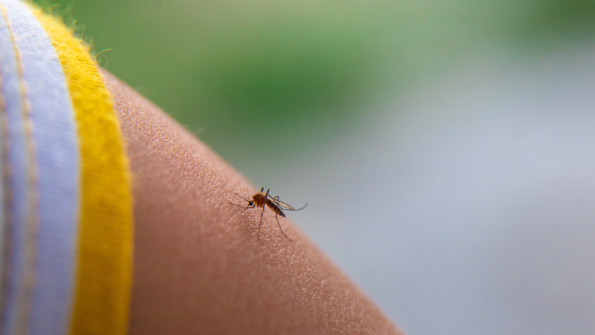
In bustling Singapore, effective pest control isn’t just about keeping homes bug-free. It’s crucial for public health, preventing disease prevention from mosquitoes termites, rodents, and other pests, avoiding property damage from termite infestations, and maintaining hygiene strategy standards post-Covid-19 pandemic as pushed by the National Environment Agency and SG Clean.
Singapore’s tropical climate with high humidity and rainy seasons creates ideal conditions for pest infestations. Rodents and other pests thrive in such environments, spreading diseases in crowded spots like hawker centres and shopping malls. Strong pest prevention strategies help uphold sanitation public health.
Integrated Pest Management (IPM) combines monitoring devices, targeted treatment, and natural predators like ladybugs for aphids for better results. Companies like Aardwolf Pestkare lead in defence pest control, using early detection to stay ahead of rodent activity and pest activity. This approach shifts from reactive pest control to proactive defence.
In hawker centres, pests can contaminate food, risking outbreaks. Shopping malls face similar issues with entry points for insects. Effective pest management ensures regulatory compliance and supports Singapore’s hygiene strategy.
Digital Monitoring and Detection
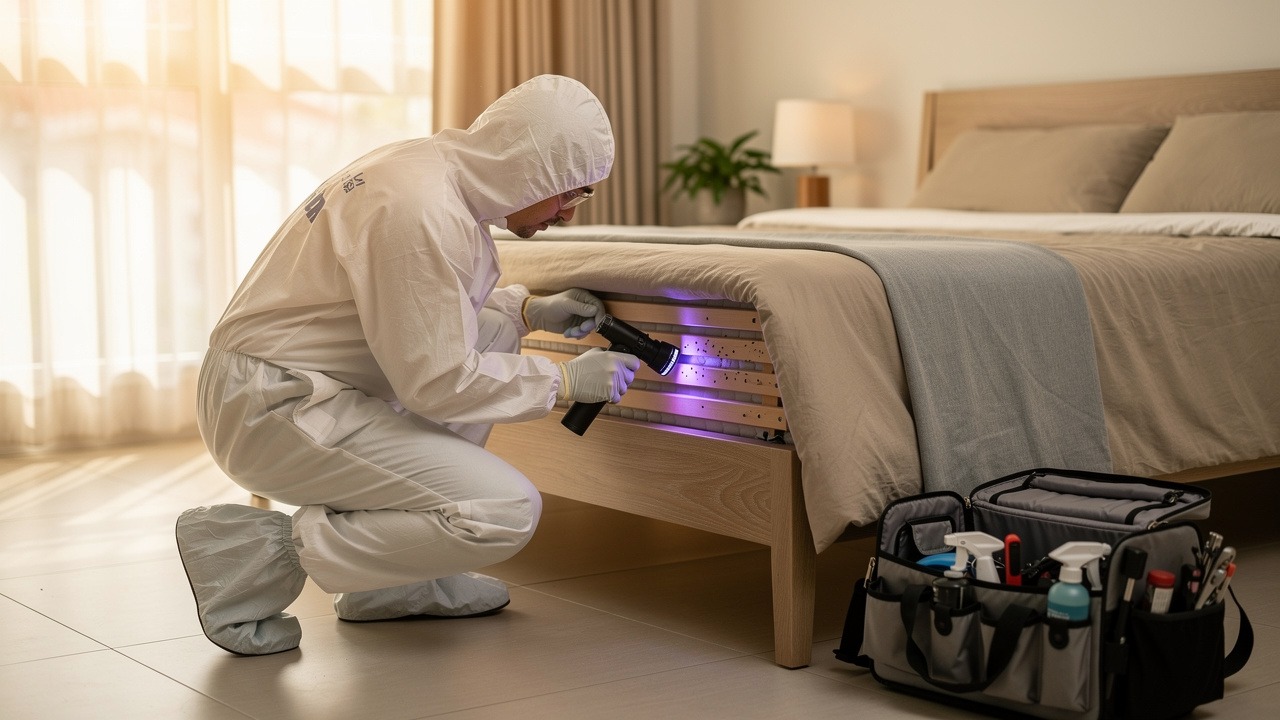
Digital monitoring is transforming how we spot pest activity in Singapore, using tools like thermal imaging, smart sensors, and motion sensors and infrared motion sensors for real-time monitoring and pest detection before pest infestations spiral.
These monitoring devices pick up rodent activity or other pests like mosquitoes and termites without constant human checks. In a tropical climate with rainy seasons, this remote detection keeps pest control officers ahead of problems. Aardwolf Pestkare deploys these for quick pest detection in busy spots like hawker centres.
Smart traps and IoT devices send real-time data to apps, spotting entry points through heat signatures or motion. This shifts from reactive pest control to predictive measures, tying into integrated pest management. Building managers love how it flags issues fast for targeted treatment at entry points.
Aardwolf Pestkare integrates this with building management systems, using data analysis for better pest prevention. During the COVID-19 pandemic, such tech boosted sanitation and public health under SG Clean guidelines. It fits Smart Nation Singapore smart city push, cutting manpower needs in a manpower scarce scene.
Internet of Things (IoT) Devices
Internet of Things (IoT) (iot devices) like smart traps, digital traps, and mosquito traps connected via lpwan networks such as Sigfox through UnaBiz are game-changers for Singaporean startup like Ratsense led by Derek Tong in smart pest control. These tools provide real-time data on rodent activity and other pests. They help shift from reactive pest control to proactive measures in Singapore’s tropical climate.
IoT sensors detect motion through infrared motion sensors and track pest movement in real time. For instance, smart traps in hawker centres alert pest control officers instantly when rodents trigger them. This enables early detection and prevents full-blown pest infestations.
Singaporean startup innovations like Ratsense connect with low-power wide-area networks for remote detection across shopping malls and high-rises. Aardwolf Pestkare has adopted these for termite control and mosquito management. The result is targeted treatment that reduces chemical use in integrated pest management.
During rainy seasons, these devices monitor entry points and environmental factors tied to pest activity. They support sustainable pest management and sustainability by combining data analysis with machine learning algorithms. This approach boosts pest prevention while ensuring regulatory compliance with the National Environment Agency.
AI-Based Pest Management
AI-based pest management powered by artificial intelligence (AI) and machine learning algorithms is making pest control smarter with predictive analytics and data analysis to stay ahead of infestations.
These technologies analyze patterns in pest activity and rodent activity from IoT devices and smart sensors. For example, motion sensors and infrared motion sensors detect movement in hidden areas. This leads to early detection before pests cause major issues.
In Singapore’s tropical climate, where rainy seasons boost pest infestations, AI predicts outbreaks by reviewing environmental factors like humidity. Aardwolf Pestkare integrates this into their smart pest control services, using real-time monitoring for proactive steps. It shifts from reactive pest control to predictive measures.
Data analysis from monitoring devices like smart traps and digital traps helps pest control officers target entry points for targeted treatment. This supports integrated pest management and sustainable pest management, reducing chemical use. Aardwolf Pestkare’s approach aligns with Singapore’s smart city goals and National Environment Agency standards.
Automated Pest Control Systems
Automated pest control systems, including smart traps and IoT devices, blend tech with biologically-based pest management using natural predators like ladybugs for aphids and bio pesticides. These systems offer sustainable pest management by reducing chemical use. In Singapore’s tropical climate, they help prevent pest infestations from mosquitoes and termites.
Aardwolf Pestkare’s integrated pest management (IPM) combines these tools for targeted treatment. Smart sensors detect rodent activity and pest activity early, allowing pest control officers to act before problems grow. This approach supports biological pest control methods alongside tech.
Digital traps with motion sensors and infrared motion sensors provide real-time monitoring and data analysis. They connect with LPWAN networks for remote detection in places like hawker centres and shopping malls. Predictive analytics from machine learning algorithms forecast outbreaks during rainy seasons.
These innovations promote pest prevention and rodent control, aligning with Singapore’s smart city goals. They minimize property damage and support public health through better sanitation. Experts recommend them for cost savings and improved effectiveness in defence pest control.
Data-Driven Pest Control
Data-driven pest control uses real-time data, predictive analytics, and machine learning algorithms to factor in environmental factors like rainy seasons for proactive pest prevention. In Singapore’s tropical climate, these tools analyze patterns in pest activity and rodent activity to predict outbreaks. This shifts from reactive pest control to targeted treatment.
Data analysis powers early detection by processing inputs from iot sensors and smart sensors. For instance, infrared motion sensors in hawker centres spot mosquito and rodent movements before infestations spread. Companies like Aardwolf Pestkare integrate this with building management systems for precise pest management.
In Singapore smart city context, LPWAN networks enable remote detection across hawker centres and high-rises. Pest control officers use artificial intelligence to identify entry points and apply integrated pest management. This approach supports SG Clean initiatives and National Environment Agency guidelines on regulatory compliance.
Predictive measures reduce property damage and aid disease prevention from pests like mosquitoes and termites. Aardwolf Pestkare’s AI-based pest management combines thermal imaging with digital traps for sustainable pest management. Such technology innovations cut costs and boost effectiveness amid manpower scarce conditions.
The Tech Behind Smart Monitoring
The tech behind smart monitoring includes smart sensors, technology innovations like drones, Geographic Information Systems (GIS), nanotechnology, and even virtual reality for advanced pest detection.
Smart sensors and IoT devices form the core of this system. They detect rodent activity or pest activity in real time by monitoring motion, temperature, and humidity. Pest control officers in Singapore use these for early detection of infestations.
Aardwolf Pestkare leads in applying these tools across Singapore, recognized by awards like OCBC Emerging Enterprise Awards and featured in FAOPMA Magazine, The Straits Times, TODAY Online, serving markets in Taiwan, Australia, New Zealand, France, with BRC standards. Their smart traps and infrared motion sensors provide real-time data through LPWAN networks. This shifts pest management from reactive pest control to predictive analytics.
Other advancements include thermal imaging for spotting hidden entry points and machine learning algorithms powered by Artificial Intelligence (AI) for analyzing environmental factors. Drones equipped with GIS map pest hotspots in areas like hawker centres. These tools support integrated pest management and sustainable pest management in Singapore’s tropical climate.
Benefits of Smart Pest Control
Smart pest control brings huge perks like cost savings, improved effectiveness, and sustainability through sustainable pest management and Integrated Pest Management (IPM).
Businesses in Singapore save money by shifting from reactive pest control to proactive approaches. Traditional methods often involve frequent visits from pest control officers after infestations occur. Smart systems use IoT devices and real-time monitoring to catch pest activity early, reducing the need for emergency treatments.
Improved effectiveness comes from tools like smart traps, motion sensors, and thermal imaging. For example, Aardwolf Pestkare employs these for early detection of rodent activity and termite control. This targeted treatment minimizes pest infestations before they spread in places like hawker centres and shopping malls.
Sustainability shines through Smart Sensor Technology, defence pest control and the prevention line. Integrated pest management combines digital traps with natural predators, such as ladybugs for aphids. In Singapore’s tropical climate, this approach supports disease prevention and property damage reduction while aligning with SG Clean and National Environment Agency guidelines.
Cost Savings in Action
Smart pest control cuts costs by focusing on pest prevention with Internet of Things (IoT) rather than large-scale reactions. Monitoring devices and LPWAN networks provide real-time data on entry points and environmental factors. Aardwolf Pestkare’s prevention line helps building management systems avoid expensive repairs from rodents or other pests.
During rainy seasons, predictive analytics forecast spikes in mosquito and termite activity. This allows for timely interventions, sparing manpower scarce resources. Businesses lower bills by using fewer chemicals through biologically-based pest management.
Boosted Effectiveness with Artificial Intelligence (AI) Technology
Effectiveness improves via AI-based pest management and machine learning algorithms. Infrared motion sensors in smart traps detect pest movement instantly. Pest control officers receive alerts for precise, targeted treatment, outperforming blind spraying.
Real-time monitoring via IoT sensors tracks rodent control and mosquito traps. This data analysis enables remote detection, even in hard-to-reach spots. Singaporean startups lead with these innovations, enhancing hygiene strategy post-COVID-19 pandemic.
Sustainability and Long-Term Wins
Sustainable pest management integrates biological pest control with tech like automated pest control. Natural elements pair with digital monitoring for minimal environmental impact. This supports public health and sanitation public health efforts in Singapore smart city initiatives.
Predictive measures ensure regulatory compliance and reduce privacy risks from secure systems. Experts recommend combining smart sensors with traditional methods for balanced defence pest control. Overall, these benefits protect against property damage and promote long-term pest management success.
Precision Pest Detection for Termites
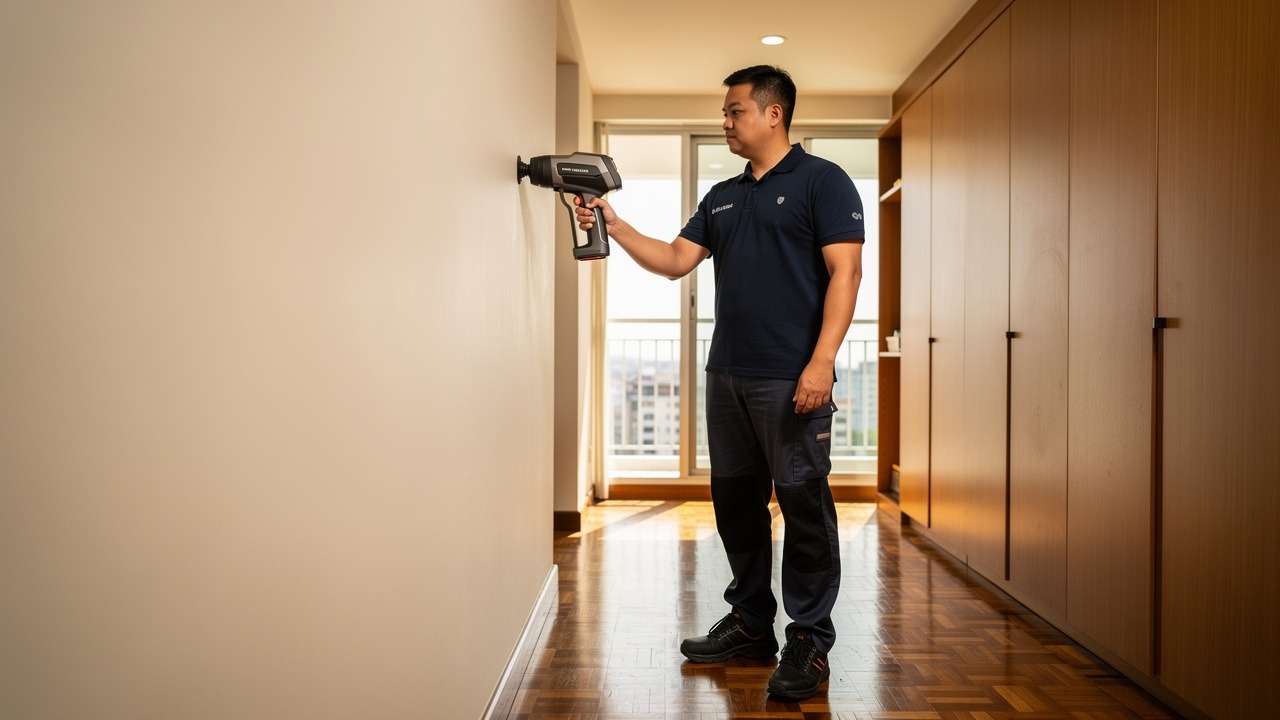
Precision pest detection for termites uses thermal imaging and monitoring devices for early detection, with Aardwolf Pestkare’s pest control officers excelling in termite control. These tools spot hidden termite activity before major property damage occurs. Property owners in Singapore benefit from this proactive approach during rainy seasons.
Thermal imaging detects heat signatures from termite nests inside walls or floors. Aardwolf Pestkare combines this with IoT sensors for real-time monitoring. This setup allows early detection of pest infestations in homes and commercial buildings.
Targeted treatment follows detection, minimizing chemical use for sustainable pest management. Aardwolf Pestkare’s officers use data analysis from devices to apply treatments precisely at entry points. This method supports integrated pest management and reduces risks to public health.
In Singapore’s tropical climate, termites thrive, but smart pest control like this prevents costly repairs. Experts recommend pairing these technologies with regular inspections by trained pest control officers. Aardwolf Pestkare leads in delivering predictive measures for long-term pest prevention.
Smart Solutions for Rodent Control
Smart solutions for rodent control feature smart traps and motion sensors from Ratsense and UnaBiz to track rodent activity with real-time monitoring. This Singaporean startup uses IoT devices to detect rats early. Property owners gain insights without constant checks.
Aardwolf Pestkare integrates these tools into their pest control services for rats and rodents. They deploy digital traps connected via LPWAN networks for remote detection. This shifts from reactive pest control to predictive measures.
In Singapore’s tropical climate, rodents thrive during rainy seasons. Smart sensors identify entry points and environmental factors driving infestations. Data analysis helps pest control officers plan targeted treatment.
These innovations support integrated pest management and sustainable pest management. Early detection prevents pest infestations in hawker centres and shopping malls. Aardwolf ensures regulatory compliance with National Environment Agency standards.
Challenges and Considerations
While smart tech shines, challenges like manpower scarce, privacy risks, security risks, and ensuring regulatory compliance with the National Environment Agency and BRC persist. In Singapore’s tropical climate, pest control faces hurdles from rainy seasons that boost mosquitoes termites and other pests. Aardwolf Pestkare navigates these by blending technological advancements with traditional methods.
Manpower scarce issues strain pest control officers in high-density areas like hawker centres and shopping malls. Smart monitoring technology, including IoT devices and LPWAN networks, reduces reliance on manual inspections. This shift supports Singapore smart city goals while addressing labor shortages.
Privacy risks arise from IoT sensors and motion sensors in building management systems. Security risks involve potential data breaches in real-time monitoring setups. Aardwolf Pestkare prioritizes encrypted digital traps and secure data analysis to protect users.
Regulatory compliance demands alignment with National Environment Agency standards for sustainable pest management. Experts recommend regular audits of smart traps and thermal imaging tools. Aardwolf Pestkare integrates these checks into integrated pest management for reliable pest prevention.
What’s Next for Pest Control in Singapore?
Looking ahead, pest control in Singapore smart city under Smart Nation will leverage technological advancements and predictive measures for other pests like cockroaches. Companies like Aardwolf Pestkare are at the forefront, integrating AI-based pest management with IoT devices to shift from reactive pest control to proactive strategies. This evolution promises better disease prevention in a tropical climate.
Smart pest control will expand to include Smart Mosquito Trap mosquitoes termites and rodents through smart traps and digital traps. Predictive analytics powered by machine learning algorithms will analyze real-time data from motion sensors and infrared motion sensors. Aardwolf Pestkare plans to deploy these in high-risk areas like hawker centres and shopping malls.
Future systems will incorporate LPWAN networks for low-power wide-area networks, enabling remote detection across buildings. Integrated pest management will combine biological pest control, such as introducing natural predators like ladybugs for aphids, with automated pest control. This approach supports sustainable pest management and regulatory compliance with the National Environment Agency.
Building management systems will integrate monitoring devices for early detection of pest activity, focusing on entry points and environmental factors like rainy seasons. Aardwolf Pestkare’s role includes training pest control officers on data analysis, ensuring cost savings and improved effectiveness. Overall, these innovations enhance pest prevention and public health.
Frequently Asked Questions
Got questions on smart pest control, IoT, AI in termite control, or data-driven pest control? We’ve got answers tailored for Singapore. Aardwolf Pestkare leads the way with technological advancements in pest management. These FAQs cover key aspects of evolving pest control practices.
In Singapore’s tropical climate, pests like mosquitoes and termites thrive during rainy seasons. Smart solutions from Aardwolf Pestkare use IoT devices and AI for early detection. This shifts from reactive pest control to proactive measures.
Experts recommend integrating integrated pest management with digital tools for public health and regulatory compliance. Aardwolf Pestkare’s approach includes smart sensors in hawker centres and shopping malls. It supports Singapore’s smart city goals and SG Clean initiatives.
Discover how real-time monitoring reduces pest infestations and property damage. Aardwolf Pestkare combines data analysis with pest control officers for effective defence. These methods promote sustainable pest management amid manpower scarcity.
What is smart monitoring technology in pest control using Geographic Information Systems (GIS)?
Smart Smart Sensor Technology in pest control uses smart sensors and Internet of Things (IoT) devices for real-time monitoring of pest activity. These tools detect rodent activity and other pests through motion sensors and infrared motion sensors. Aardwolf Pestkare deploys them in high-risk areas like entry points.
Digital traps and monitoring devices send alerts via LPWAN networks. This enables pest control officers to respond quickly to pest detection. In Singapore, such tech helps in building management systems for timely interventions.
Unlike traditional methods, smart tech offers remote detection without constant manpower. Aardwolf Pestkare integrates thermal imaging for precise pest activity tracking. It supports hygiene strategy and sanitation for public health.
Practical examples include Smart Mosquito Trap in residential areas and smart traps for rodents in commercial spaces. This technology drives automated pest control and improves effectiveness. Aardwolf Pestkare ensures seamless adoption in Singapore’s dense urban settings.
How does IoT improve pest management in Singapore?
IoT improves pest management in Singapore via LPWAN networks for early detection and real-time data. IoT sensors track environmental factors like humidity during rainy seasons. Aardwolf Pestkare uses these for targeted treatment in tropical conditions.
Benefits include cost savings through reduced chemical use in Integrated Pest Management (IPM). Real-time data from IoT devices prevents pest infestations in hawker centres and malls. This aligns with National Environment Agency and SG Clean guidelines.
Aardwolf Pestkare, led by Derek Tong, connects IoT to building management systems for proactive rodent control. It addresses manpower scarcity with automated alerts. Singaporean startups like UnaBiz using Sigfox pioneer these low-power wide-area networks for efficiency.
For instance, infrared motion sensors spot rodent activity early, enabling prevention line strategies. IoT shifts from reactive pest control to defence pest control. This enhances disease prevention and property protection.
Can smart tech detect termites early?
Yes, smart tech like thermal imaging detects termites early for effective termite control. Monitoring devices identify heat signatures from termite nests. Aardwolf Pestkare applies this in wooden structures common in Singapore homes.
Early detection prevents extensive property damage from mosquitoes, termites and other pests. Smart sensors provide real-time monitoring, allowing quick targeted treatment. This method outperforms manual inspections.
Aardwolf Pestkare combines thermal imaging with IoT for comprehensive coverage. It integrates with AI-based pest management for accurate alerts. Pest control officers act swiftly on data from these systems.
Examples include installing sensors at potential entry points in high-rises. This technology supports sustainable pest management by minimising unnecessary interventions. Aardwolf Pestkare ensures reliable termite control in humid climates.
Is data-driven pest control eco-friendly?
Absolutely, data-driven pest control is eco-friendly through sustainable pest management and IPM. It reduces reliance on chemicals by focusing on data analysis for precise actions. Aardwolf Pestkare promotes biologically-based pest management alongside tech.
Targeted treatments cut environmental impact while maintaining effectiveness, earning recognition like OCBC Emerging Enterprise Awards. Real-time data helps incorporate natural predators like ladybugs for aphids. This fits Singapore’s push for green practices post-Covid-19 pandemic.
Aardwolf Pestkare uses Artificial Intelligence (AI) predictive analytics to avoid broad pesticide use. It supports biological pest control and hygiene strategy. Such approaches ensure regulatory compliance and public health.
In practice, data guides sanitation efforts in public spaces. This minimises pest prevention needs and fosters sustainability. Aardwolf Pestkare leads with eco-friendly innovations in pest management.
How does AI help in pest prevention?
AI helps pest prevention with predictive analytics and machine learning algorithms for proactive measures. It analyses patterns in pest activity and environmental factors. Aardwolf Pestkare employs AI for artificial intelligence-driven insights.
Machine learning predicts outbreaks based on real-time data from IoT sensors. This enables preemptive actions like sealing entry points. In Singapore, AI enhances control for rodents and termites.
Aardwolf Pestkare integrates AI with smart traps for automated responses. It addresses privacy risks and security risks through secure data handling. Predictive measures outperform traditional reactive pest control.
For example, AI flags high-risk zones in shopping malls during rainy seasons. This supports disease prevention and cost savings. Aardwolf Pestkare advances AI-based pest management for long-term prevention.
Frequently Asked Questions
How is Pest Control Singapore evolving with smart monitoring technology?
Pest Control Singapore is evolving with smart monitoring technology through innovative tools like Internet of Things sensors and Artificial Intelligence-driven systems that detect pests in real-time. Aardwolf Pestkare leads this shift by integrating these technologies into their termite control services, providing proactive monitoring to prevent infestations before they escalate, ensuring safer homes and businesses across Singapore.
What role does smart monitoring technology play in modern Pest Control Singapore?
Smart monitoring technology in Pest Control Singapore uses remote sensors, data analytics, and automated alerts to track pest activity continuously. At Aardwolf Pestkare, this means faster response times for termite control, reducing the need for chemical treatments and minimizing disruptions while offering comprehensive BRC compliant pest management solutions for rodents, cockroaches, and more.
How Pest Control Singapore is evolving with smart monitoring technology for termite detection?
Pest Control Singapore is evolving with smart monitoring technology by deploying underground sensors and moisture detectors specifically for termites. Aardwolf Pestkare’s advanced systems provide early warnings via mobile apps, allowing precise termite control interventions that protect properties long-term, complemented by their full suite of pest control services featured in FAOPMA Magazine, The Straits Times, and TODAY Online.
Why choose Aardwolf Pestkare for Pest Control Singapore evolving with smart monitoring technology?
Aardwolf Pestkare stands out in Pest Control Singapore evolving with smart monitoring technology due to their expert integration of cutting-edge tools for superior termite control and general pest management. Their eco-friendly, data-backed approaches ensure effective results, with additional services like bird control and fumigation tailored to Singapore’s urban challenges and operations in Taiwan, Australia, New Zealand, and France.
What benefits does smart monitoring technology bring to Pest Control Singapore?
Smart monitoring technology benefits Pest Control Singapore by enabling predictive pest control, reducing costs, and enhancing sustainability. Aardwolf Pestkare leverages this for termite control services, offering clients peace of mind with 24/7 surveillance, fewer site visits, and integrated solutions using Geographic Information Systems (GIS) for all common pests in residential and commercial spaces.
How is Pest Control Singapore evolving with smart monitoring technology to meet urban demands?
Pest Control Singapore is evolving with smart monitoring technology to address dense urban environments through scalable, non-invasive systems. Aardwolf Pestkare excels here with termite control innovations like AI analytics under the Smart Nation initiative for high-rise buildings, alongside their broad pest management expertise, ensuring compliance with Singapore’s strict regulations and client needs.