One of the first questions homeowners ask when they spot termite signs is very simple: how much is this going to cost me? That question deserves a clear and honest answer.
In Singapore, termite treatment cost typically runs from a few hundred dollars for small spot work to several thousand dollars for full colony removal. The exact price depends on the method used, your property type, and whether you need prevention or treatment of an active infestation.
This guide explains the main treatment methods, realistic cost ranges, and what is usually included in termite control packages. You will also see how Aardwolf Pestkare, an NEA-licensed specialist with more than twenty years in Singapore, keeps pricing transparent and fair so you can plan with confidence.
Key Takeaways
Before looking at each method in detail, it helps to see the big picture on pricing. These key points give a fast snapshot of termite control in Singapore. You can keep this list in mind while you read the rest of the guide.
- For most homes, termite treatment cost starts near S$150 for small spot work. Severe infestations in large landed houses can cross S$3,500. Treatment method and infestation level push the figure up or down.
- Three main treatment types are used in Singapore: termite baiting systems, liquid soil treatment, and localized spot or wood treatment. Each method suits a different level of infestation and property style. Picking the right method matters more than chasing the lowest number.
- Property type and severity are the biggest pricing drivers. A small HDB flat with early activity costs far less than a large landed home with termites in floors and beams. Easy access to problem areas also keeps labour fees lower.
- DIY sprays and cheap one-off jobs almost always cost more over time. They kill a few termites on the surface while the queen survives. That delay gives the colony months to eat deeper into your wood.
- Aardwolf Pestkare offers clear, itemised pricing with no surprise add-ons. Standard packages include inspection, treatment, and follow-up visits where needed. You know exactly what you pay for before any work starts.
What Does Termite Treatment Cost In Singapore? A Method-By-Method Breakdown

Termite treatment cost in Singapore depends strongly on the method used to deal with the colony. For most homes, real-world quotes fall between about S$150 and S$3,500+ across the main approaches. The table below compares the key options.
| Treatment Method | Typical Cost Range (SGD) | Best Use Case | Follow-Up Visits Included |
|---|---|---|---|
| Termite Baiting System | 800 – 3,000+ | Subterranean termites in HDB, condo, and landed homes | Yes, regular monitoring |
| Liquid Soil Treatment | 1,000 – 3,500+ | Landed houses or ground-floor units in contact with soil | Often, yearly checks |
| Localized Spot Or Wood Treatment | 150 – 500 per visit | Small, isolated areas or drywood termites in furniture or door frames | Rarely, usually one-off |
Termite baiting systems use stations filled with bait that worker termites bring back to the nest. In Singapore, termite baiting cost for a full program usually ranges from about S$800 to over S$3,000. That price typically covers:
- Site inspection and treatment plan
- Station setup around and inside the property
- Frequent checks and bait top-ups
- Final confirmation that the queen and colony are gone
Aardwolf Pestkare often recommends baiting for subterranean termites because it targets the colony source, not just the visible insects.
Liquid soil treatment creates a treated band in the ground around and under a building. Technicians drill along the perimeter, then pump in a termiticide that termites cannot detect. For landed properties, this is often paired with baiting to give both internal and external protection. Pricing rises with:
- The length of the building perimeter
- The depth of foundations
- The volume and type of chemical needed
Localized spot and wood treatments usually suit smaller problems or drywood termites in individual items. Technicians inject foam or dust directly into damaged wood, skirting boards, or hollow door frames. These visits often start from about S$150 per session. They are useful for quick relief in limited areas, but on their own they rarely solve a large subterranean infestation.
What Is Usually Included (And Excluded) In Termite Packages?
Most professional termite treatment packages in Singapore will include:
- A site inspection and simple report
- The main treatment method (baiting, soil treatment, or spot treatment)
- Labour and application of termiticide or bait
- A set number of follow-up visits or monitoring checks
- A written service agreement and warranty terms
Common exclusions you should clarify before signing:
- Repair or replacement of damaged wood, flooring, or built-in carpentry
- Repainting, tiling, or reinstatement after drilling or access work
- Treatment of separate garden structures, sheds, or fences unless stated
- Emergency call-outs outside normal working hours
When you request a quote, ask the company to show clearly what is included and what is not. Aardwolf Pestkare sets this out line by line so you can compare quotes fairly.
What Does A Termite Inspection In Singapore Cost?

A termite inspection in Singapore usually costs far less than the treatment itself. Many pest control companies charge a modest call-out fee, and some waive it if you proceed with their plan. For most standard homes, the fee tends to stay below S$200.
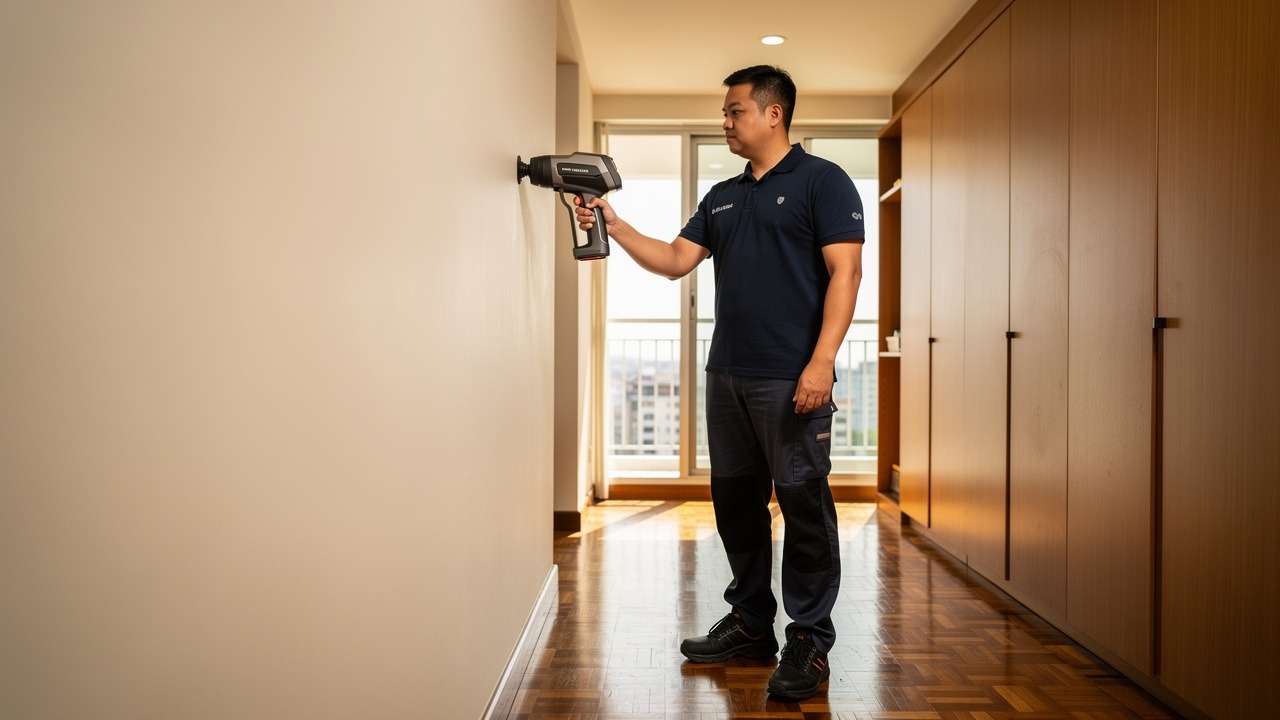
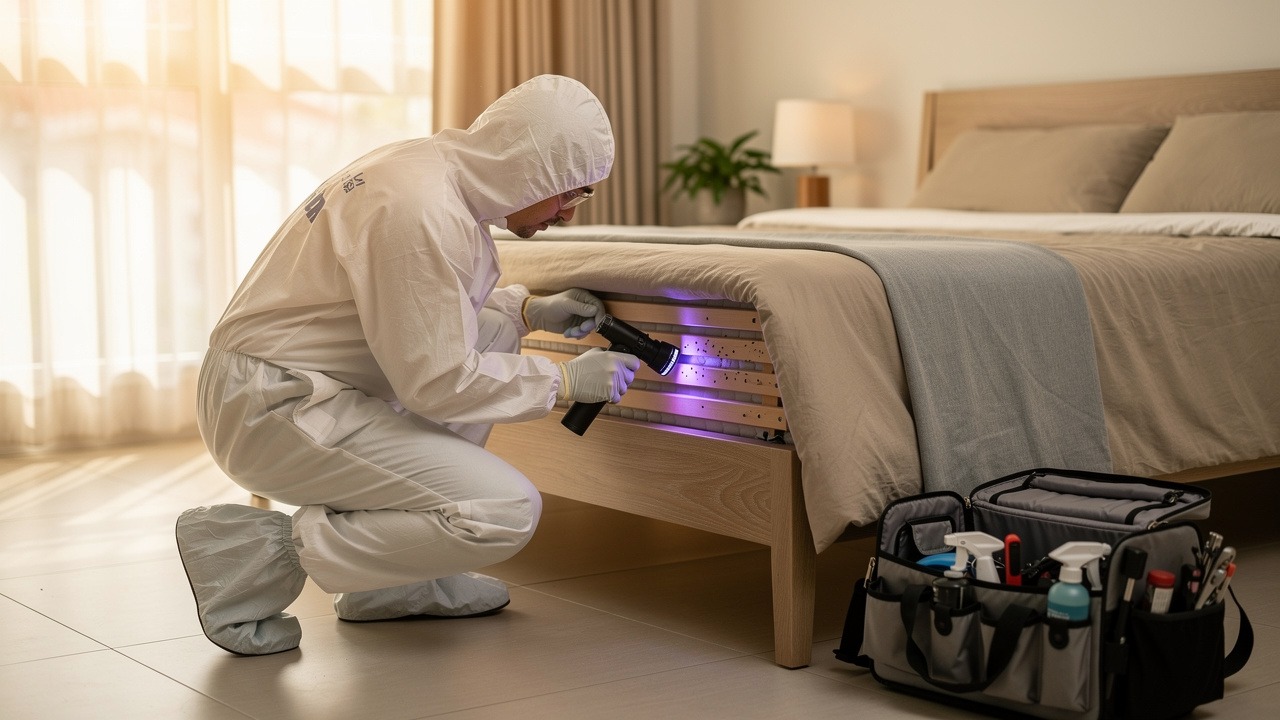
A proper inspection is more than a quick visual check. Aardwolf Pestkare uses tools such as:
- Thermal imaging cameras
- Moisture meters
- Listening devices
These tools help map hidden galleries and moisture pockets without hacking up floors or walls. This careful termite inspection Singapore approach allows the team to see how far termites have spread, so you pay for the right level of treatment instead of an oversized or ineffective package.
“The goal of a termite inspection is simple: find every active area and every likely risk zone before they surprise you,”
— Senior technician, Aardwolf Pestkare
Some owners request inspections as part of a pre-purchase check or before major renovations. These usually fall in the same price band but can save thousands of dollars by catching hidden infestations early.
What Factors Affect Your Termite Treatment Cost?

Several clear factors shape termite treatment cost for any Singapore property. Once you understand these pieces, it becomes easier to read quotes and judge whether they fit your situation.
Key pricing factors include:
- Property type and size
- Severity and spread of the infestation
- Accessibility of affected areas
- Treatment method and materials used
- Number of sessions and length of monitoring
- Warranty coverage and aftercare
The first factor is property type and size. Larger spaces need more termiticide or more bait stations, so material and labour costs rise. Different building styles also change how easy it is to reach hidden areas.
- HDB flats often have smaller floor areas but lots of built-in carpentry. Treating wardrobes, platform beds, and kitchen cabinets without damage takes time and skill, which shapes labour costs. Shared shafts can also mean termites are entering from common areas, which affects the scope of work.
- Condominiums usually feature premium finishes, such as parquet floors and complex false ceilings. Termite pest control in Singapore condominiums must protect high-value surfaces, so technicians move slowly and carefully. Access rules set by the MCST can also stretch job time.
- Landed homes sit directly on soil and often include gardens or decks. That contact with the ground gives subterranean termites many hidden entry points. These houses usually need both internal baiting and either in-ground stations or full soil treatment, placing them in the highest cost band.
Severity and accessibility form the next big group of cost drivers. A small, early patch in a single door frame is quick to handle. A long-running colony that has spread across false ceilings, parquet floors, and roof timbers needs far more visits and materials. If termites hide under marble, inside built-ins, or behind tiled walls, technicians may need extra tools and time to reach them.
Early detection keeps fees lower, which is why Aardwolf Pestkare relies on thermal imaging and moisture readings during routine checks. Catching activity while it is still local often means a focused termite bait or spot program instead of a large-scale treatment.
Finally, treatment method, number of sessions, and warranty coverage all affect price. A plan that includes:
- Regular monitoring
- Detailed service reports
- A multi-year warranty
will cost more upfront but often avoids repeat infestations. Very low quotes sometimes skip follow-up visits or any real guarantee. When you compare prices, it makes sense to ask exactly how many visits are included and what happens if termites appear again.
Why The Cheapest Termite Quote Is Rarely The Best Option

A very low termite treatment cost can look tempting at first glance. In practice, the cheapest quote often cuts corners, leaves the queen alive, and sets you up for higher repair bills later.
DIY attempts bring similar trouble. Over-the-counter sprays kill the termites you see on a mud tube or wall, but they are highly repellent. The surviving workers rush back into the structure and simply chew a new path out of sight. The queen stays deep inside her nest, laying more eggs while you feel safe for a short while.
One Aardwolf Pestkare client tried dusts and sprays for six months before calling for help. By then, termites had eaten through cupboards and were appearing in several rooms. Aardwolf’s team used infrared scanning and listening devices to map the hidden trails, then installed targeted bait stations. With steady monitoring, the colony collapsed, and no new damage appeared.
“With termites, a cheap quick fix is often the most expensive choice over time,”
— Consultant at Aardwolf Pestkare
A good termite treatment package should always include:
- A detailed inspection and written report
- Clear explanation of the chosen method and why it suits your property
- Itemised costs for labour, chemicals, and follow-up visits
- NEA-approved products that are safe for children, older family members, and pets
- Scheduled checks and a written warranty covering free return visits during the coverage period
Aardwolf Pestkare builds these pieces into their standard plans rather than adding them later as extras. Their quotes explain how many visits you receive, what happens if activity continues, and which areas are under warranty. When you compare that with a quick one-off spray at a bargain price, it becomes clear which option really protects both your home and your wallet.
How To Protect Your Property Long-Term And Keep Future Costs Down

Keeping termite treatment cost manageable over the years means shifting from panic reactions to steady prevention. In Singapore’s humid climate, termites are always nearby, so small habits make a big difference.
The three pillars of long-term termite control are:
- Moisture control
- Smart renovation choices
- Regular professional checks
Moisture control comes first. Subterranean termites love damp zones around leaking pipes, air-conditioning drains, and poorly ventilated bathrooms. Helpful steps include:
- Fixing drips quickly
- Clearing floor traps and drains
- Sealing cracked grout and gaps
- Keeping stored items off damp floors
Around landed homes, gutters should direct water away from the foundation instead of letting it pool near walls.
Next comes smart renovation planning. When you upgrade your home, you can quietly lower future termite risk. Many owners now choose:
- Aluminum frames for toilet doors
- Metal skirting instead of full timber
- Treated or engineered wood for wardrobes and kitchen cabinets
These choices reduce the amount of food available to any future colony and can limit how far an infestation spreads.
Regular professional checks tie everything together. An annual termite inspection Singapore plan lets a trained eye spot early mud tubes, hollow-sounding skirting, or unusual moisture readings. Aardwolf Pestkare offers maintenance packages that combine termite monitoring with control of cockroaches, ants, rodents, and mosquitoes. For HDB and condo residents, these bundled services spread costs across predictable visits instead of shock invoices after major damage.
By investing in prevention and scheduled inspections, you reduce the odds of ever needing a large baiting or soil program again. That long-term view often saves far more than it costs, especially when paired with a trusted local partner who understands how Singapore buildings behave.
The Bottom Line On Termite Treatment In Singapore
Across Singapore, termite treatment cost runs from roughly S$150 for small spot work to more than S$3,500 for full baiting or soil programs. The right choice depends on your termite species, how far they have spread, and whether your property is HDB, condo, or landed.
Aardwolf Pestkare combines NEA-licensed technicians, eco-friendly termite baits, and clear, bundled pricing with no hidden fees. If you suspect activity or just want peace of mind, contact Aardwolf Pestkare to arrange a free or low-cost inspection and receive an honest, customised quote for your home or business.
Frequently Asked Questions
Question: How much does termite baiting cost in Singapore?
Answer: Termite baiting cost in Singapore usually ranges from about S$800 to over S$3,000 for a full program. The fee covers station setup, regular monitoring visits, bait replenishment, and final checks to confirm the colony is gone. Property size and number of active areas set the final price.
Question: Is termite treatment covered by home insurance in Singapore?
Answer: Most standard home insurance policies in Singapore do not cover termite treatment or damage from pests. Insurers treat termites as a maintenance issue, not an accident. That gap makes early professional help and regular inspections even more important. Always read your own policy wording to see what is excluded.
Question: How long does termite treatment take to work?
Answer: Baiting systems usually remove a subterranean colony within about 45 to 90 days, as termites share the bait slowly. Spot treatments can kill visible termites much faster but do not reach the main nest. Timelines also depend on how large the colony is and how many areas are active.
Question: Can termites come back after professional treatment?
Answer: Termites can return after any treatment because new colonies may move in from nearby soil or buildings. This is why good termite pest control plans in Singapore include monitoring and a written warranty. Aardwolf Pestkare offers regular audits and free callbacks within the warranty period, plus annual inspections to catch any new activity early.
Question: What is the difference between subterranean and drywood termite treatment costs?
Answer: Subterranean termite jobs tend to cost more because colonies are larger and usually need baiting systems or soil treatments. Drywood termites often live inside single items such as door frames or furniture and usually respond to localized foaming or dusting. During inspection, Aardwolf Pestkare identifies the species so you receive the most cost-effective plan for your case.