Spotting one cockroach in your kitchen feels bad. Spotting three usually means dozens more are hiding out of sight.
In Singapore, cockroaches thrive in heat and humidity, breed fast, and squeeze into gaps most people never notice. Supermarket sprays often kill only the insects you can see on the floor or wall. The nest inside wall cracks, under kitchen cabinets, and inside drains keeps going and sends out fresh roaches.
Effective cockroach control in Singapore blends professional treatment with simple habits that remove food, water, and shelter. This guide explains why roaches are so common here, the main species you face, why DIY tricks fade out, what professional treatment by Aardwolf Pestkare covers, and how to stop pests from returning.
If you want lasting relief instead of chasing single roaches at night, this guide shows a clear, practical path forward.
Key Takeaways
Before we go deeper, these points highlight the most helpful ideas in this guide.
- Tropical Weather Feeds Roach Activity: Singapore has warm, moist weather all year. Cockroaches love this type of climate, so cockroach control in Singapore feels like an ongoing job instead of a once-off task.
- Three Main Pest Species: Three main species trouble local homes and businesses. German roaches hide in kitchens and appliances. American roaches come up from drains. Oriental roaches favor cool and damp spots. Each one needs a slightly different treatment plan.
- DIY Methods Rarely Fix Serious Infestations: DIY sprays and small retail baits usually give short relief only. They chase insects deeper into walls and pipes while eggs keep hatching, so an infestation often seems to return after a few quiet weeks.
- Professional Treatment Targets The Whole Colony: A professional visit covers inspection, gel baiting, residual spraying, and crevice dusting. Aardwolf Pestkare builds the mix around your property type and roach species. Most homes clear up in one or two well-planned sessions.
- Prevention Keeps Roaches Away: Simple habits keep roaches from coming back. Dry sinks at night, seal pipe gaps, keep floor traps wet, and clean behind appliances. Pair these steps with regular checks from Aardwolf Pestkare for steady, long-term protection.
“Roaches only need three things to stay – food, water, and shelter. Remove even one, and their numbers drop fast.” – Aardwolf Pestkare service team
Why Cockroaches Thrive In Singapore’s Climate And Urban Environment

Cockroaches thrive in Singapore because the warm, humid climate and dense housing give them food, water, and shelter all year. This constant comfort means cockroach control in Singapore is a steady need, not a seasonal task.
Temperatures stay high and humidity often sits above eighty percent. Roaches do not face any cooler period that slows them down. Instead, they breed non-stop, and their colonies can double in a few weeks when food scraps and water are easy to find. Rainy periods push them indoors, so more of them end up in kitchens, bathrooms, and bin areas.
High-rise living adds another layer to the problem. In HDB blocks and condominiums, units share vertical pipes, drains, and refuse chutes. Cockroaches slip through tiny gaps in these routes and travel from one flat to another without ever crossing a corridor. Even a very clean home can be invaded by insects that started in a neighbor’s unit or the central bin.
For businesses, the pattern is similar. Food outlets, canteens, and food courts offer warmth, moisture, and leftovers late into the night. Without strict cleaning and regular pest checks, these places become strong breeding hubs that keep feeding nearby buildings with wandering roaches.
The Three Main Cockroach Species You Will Encounter In Singapore

Cockroach control in Singapore works best when you know which species has moved in. German, American, and Oriental cockroaches behave differently, hide in different places, and respond to different treatments.
German cockroaches are small, light brown insects with two dark stripes behind the head. They live almost entirely indoors and pack themselves into warm, tight spots such as cabinet hinges, behind fridges, and under sinks. They breed very fast, so a few insects can become a heavy infestation in a short time. Gel baiting in cracks and crevices, paired with careful cleaning, works very well against this species.
American cockroaches are large, reddish brown insects that many people see in drains and bin centers. They can glide short distances and often enter ground floor units through floor traps, pipe gaps, and door gaps. They like damp, dirty spaces such as sewers and manholes. Control for this species focuses on residual sprays around entry points, good drain covers, and sealing structural gaps that let them move indoors.
Oriental cockroaches are darker and slower moving, often almost black. They prefer cool, moist areas such as basement corridors, rubbish chambers, and shaded ground level drains. They do not climb smooth surfaces well, so they stay near the floor. A mix of residual spraying around damp zones and targeted baiting near their travel paths usually gives the best result for this species.
Aardwolf Pestkare technicians look at body size, color, droppings, and hiding spots during inspection. That careful identification guides the treatment plan so time and products are not wasted on the wrong method.
Why DIY Cockroach Treatments Usually Fall Short
DIY cockroach control in Singapore often feels like a cycle that never ends because most home methods do not reach the real nest. Retail aerosol sprays kill insects they hit directly but act as repellents at the same time. The roaches then run deeper into wall voids, cabinet gaps, and drain lines where sprays and simple traps cannot reach them.
Supermarket gels and small baits can help in very light cases but are often placed in the wrong spots or used in tiny amounts. At the same time, plenty of other food, such as crumbs, oil stains, and pet food, stays available. Roaches simply ignore the bait when easier food is nearby. Home tricks such as pandan leaves or scented oils may mask smells for people, yet they do almost nothing to a strong colony.
Cockroaches also reproduce quickly in Singapore’s climate. A single female can carry many eggs in one casing, and these casings are often hidden behind appliances or inside cracks. You might see fewer adults for a week, then a fresh wave of young roaches appears from eggs that sprays never touched. Once the infestation reaches this stage, only a structured plan that targets the entire colony and its hiding places will give stable relief.
What Professional Cockroach Treatment Actually Involves

Professional cockroach treatment in Singapore uses a planned mix of inspection, targeted gel baiting, residual spraying, and crevice dusting. Aardwolf Pestkare follows a clear method that fits your flat, condo, landed home, or business, instead of using a single spray everywhere.
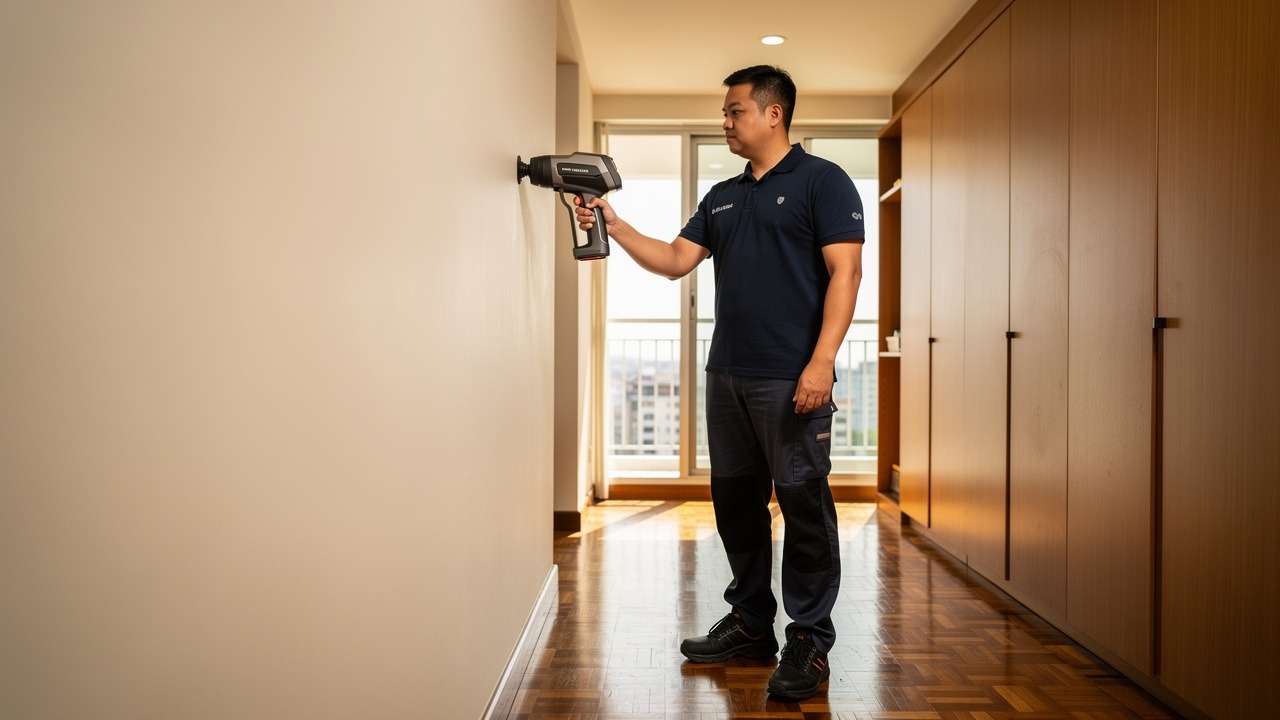
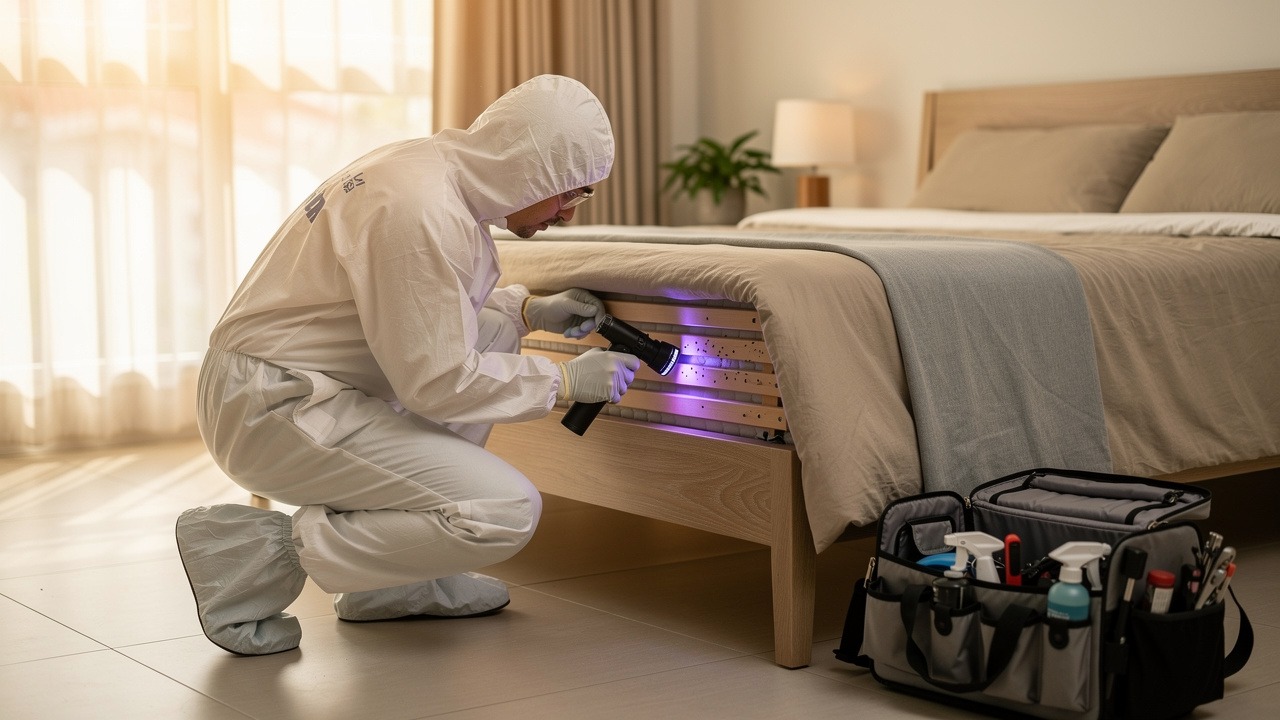
- Inspection and planning come first. Aardwolf Pestkare’s NEA licensed technicians check kitchens, bathrooms, bin areas, and service yards. They look for droppings, egg cases, and entry points around pipes and floor traps. From there, they identify the main species and decide which parts of the property need gel, dust, or spray.
- Targeted treatment follows the plan. Gel bait goes into hinges, under sinks, and behind appliances where German roaches feed. Residual sprays are applied along skirting boards, drain edges, and rubbish areas to stop American and Oriental roaches that crawl across treated surfaces later — an approach aligned with the Code of Practice on pest management published by Hong Kong’s Food and Environmental Hygiene Department, which sets regional standards for such treatments. Insecticidal dust is puffed into deep cracks and wall voids as a crevice treatment where liquid cannot reach, which helps remove hidden nests.
- Safety and after-care close the visit. All products are NEA approved and chosen to be safe for families and pets when used correctly. Residents usually leave treated rooms for about two hours so sprays can dry fully. After that, you open windows for ventilation, wipe food preparation surfaces, and avoid mopping treated floor edges for at least two days so the protective band stays in place.
“Avoid using supermarket aerosols between professional visits, as they can repel cockroaches from gel baits and slow down control.” – Aardwolf Pestkare service team
For a standard HDB flat, the cost of cockroach treatment in Singapore often starts around the common pest control HDB price level of about one hundred forty dollars, depending on size and severity. Aardwolf Pestkare offers flexible payment paths and backs treatments with free re-treatment if pests return within the covered period.
How Many Sessions Does Cockroach Treatment Take?

The number of sessions depends on how heavy the infestation is and how the building is built. Aardwolf Pestkare plans visits so they match the roach life cycle instead of stopping at what looks good for one day.
- Mild to moderate home infestations often clear with one professional visit. Gel baits start working within hours, and you usually see far fewer roaches within three to five days. Over the next two weeks, the colony collapses as more insects eat the bait or contact treated areas.
- Severe cases in older HDB flats or crowded kitchens may need two or three sessions. Visits are spaced about two to four weeks apart so any nymphs that hatch after the first visit are hit during the next one. This spacing keeps pressure on the colony until no fresh signs appear.
- Property managers and food outlets benefit from ongoing maintenance. Aardwolf Pestkare offers regular plans with scheduled checks and touch-up treatments so infestations do not build up again in bin rooms or service corridors. These plans help keep operations running smoothly.
- Clear service guarantee. If cockroaches return within the agreed cover period, Aardwolf Pestkare returns for a free re-treatment visit. This gives peace of mind that you are not paying again for the same problem.
How To Prevent Cockroaches From Coming Back

Stopping cockroaches from returning in Singapore means combining daily hygiene, routine checks, and small repairs. Prevention turns cockroach control in Singapore from a crisis fix into a normal home habit.
- Daily habits focus on food and water. Wipe kitchen counters, the stove, and the sink dry every night. Store food, including pet food, in sealed containers so no crumbs are left out. Empty food waste before sleeping so bins do not become overnight buffets.
- Weekly habits aim at hidden crumbs and moisture. Vacuum under sofas, beds, and cabinets where bits of food and dust gather. Scrub bathroom and kitchen drain covers to remove greasy film that roaches feed on. Check that floor traps still hold water so sewer gases and insects cannot move up easily.
- Monthly tasks handle deep grime. Pull the fridge and stove slightly away from the wall and clean the floor and wall behind them. Degrease the cooker hood and nearby tiles where oil mist builds up. These steps remove strong smells that attract roaches from common areas.
- Quarterly checks bring in expert eyes. For HDB pest control and condo management, a scheduled visit from Aardwolf Pestkare helps treat bin rooms, service ducts, and other shared spaces that residents cannot reach. This support blocks new waves of roaches from entering clean units.
Structural changes matter just as much as cleaning. Seal gaps around pipes and cables with sealant, especially under sinks. Replace worn rubber seals on HDB refuse chute doors so they close tightly. Keep balcony plants away from door tracks so wet soil does not sit right at the entry point. These small fixes remove the easy paths that roaches like to use.
The Smartest Move You Can Make For A Cockroach-Free Home
The smartest move for a cockroach-free home in Singapore is to combine expert treatment with simple habits, instead of relying only on off-the-shelf sprays. Cockroaches here are a structural and climate issue, not just a matter of how tidy you are.
Aardwolf Pestkare brings NEA licensed knowledge, safe products, and species-based methods to every visit, whether it is a studio HDB unit, a large condo, a landed house, or a busy kitchen. Their team inspects, treats, and advises so you know exactly what is happening and what to do next.
If roaches keep appearing in your home or business, arrange an inspection and book a cockroach treatment with Aardwolf Pestkare. A short visit now can prevent months of frustration and keep your spaces cleaner, safer, and far more comfortable.
Frequently Asked Questions
These answers cover common questions about cockroach control in Singapore. Each one stands on its own so you can act with confidence.
Why Do I Keep Seeing Cockroaches Even Though My Home Is Clean?
You can still see cockroaches in a clean home because they travel through shared pipes, drains, and rubbish chutes. Roaches move in from neighbours, bin rooms, and sewers, then enter through tiny gaps around pipes and floor traps. Sealing those gaps, keeping floor traps wet, and checking chute seals all help reduce activity. Aardwolf Pestkare can also treat shared areas that you cannot reach.
What Is The Difference Between Gel Baiting And Residual Spraying And Which Do I Need?
Gel baiting targets indoor colonies by using food-based gel that roaches eat and share, which quietly kills the nest. Residual spraying creates a dry, invisible band on floors and walls that kills insects when they crawl across later. German roaches indoors usually need more gel, while American and Oriental types need more residual spray. Aardwolf Pestkare chooses the mix after inspecting your property.
How Much Does Professional Cockroach Treatment Cost In Singapore?
Most single-visit cockroach treatments for standard HDB flats and condos start around one hundred forty dollars, with higher costs for larger homes and food outlets. Exact pricing depends on property size, infestation level, and whether you choose a one-off visit or a plan. Many residents look for pest control Singapore HDB price guides, but value also comes from service guarantees and long-term prevention provided by trusted companies such as Aardwolf Pestkare.
Is Cockroach Treatment Safe For Young Children And Pets?
Yes, when carried out by trained technicians using NEA approved products, cockroach treatment is safe for young children and pets. Aardwolf Pestkare places gels and dust deep inside cracks and behind appliances where curious hands and paws cannot reach them. After residual spraying, you simply keep family members and pets out of treated rooms for about two hours until surfaces dry fully.
How Do I Prepare My Home Before A Cockroach Treatment?
The best way to prepare is to deep clean before the technician arrives. Clear and wipe countertops, remove grease from stoves and hoods, and vacuum crumbs under appliances so roaches turn to the professional baits as their main food source. Avoid using retail aerosol sprays for at least two days before treatment, since leftover chemicals can make roaches avoid the gel baits.
After treatment, avoid scrubbing areas where gel has been applied, do not mop along skirting boards for a couple of days, and ventilate your home once sprays have dried. Aardwolf Pestkare can also share a short prep and after-care list during booking.