Pest control Singapore cost can feel random when quotes swing from about $140 to more than $1,500. That wide spread makes it hard to tell what is fair for ants, cockroaches, termites, bed bugs, or rodents.
Most HDB treatments in 2026 start around $140 for ants or cockroaches, $450–$600 for bed bugs, from about $450 for a four‑week rodent program, and $120–$260 per termite session, with landed homes sitting higher. These ranges come from market data across NEA‑licensed providers and give a starting point before you compare quotes.
This guide breaks down what affects pricing, gives clear cost ranges by pest type and property, and explains when one‑off jobs or annual contracts make more sense. It also shows how to compare pest control providers clearly, so you can choose an NEA-licensed company based on price, scope, safety, and follow-up support.
Ready to pay the right amount and avoid nasty surprises? Read on.
Key Takeaways
Different factors shape pest control Singapore cost in 2026, but a few rules cover most situations. These quick points help you scan the guide before you read the details.
- Pest type and property size are the biggest price drivers. Ants and cockroaches sit at the lower end, while termites, bed bugs, and rodents cost more because treatments take more time. Larger HDB units, condos, and landed homes pay more as technicians cover more rooms and surfaces.
- Contracts usually give better long‑term value when pests keep coming back. One‑off jobs look cheaper at first but can add up if your shop or cafe keeps getting reinfested. Acting early when you see a few insects almost always keeps the final bill lower than waiting.
- NEA licensing is non‑negotiable for safety and legal reasons. Licensed providers follow National Environment Agency rules on chemicals, staff training, and record keeping. That adds some cost but also brings better protection, clearer paperwork, and less risk for your home or business.
What Factors Affect Pest Control Costs In Singapore?
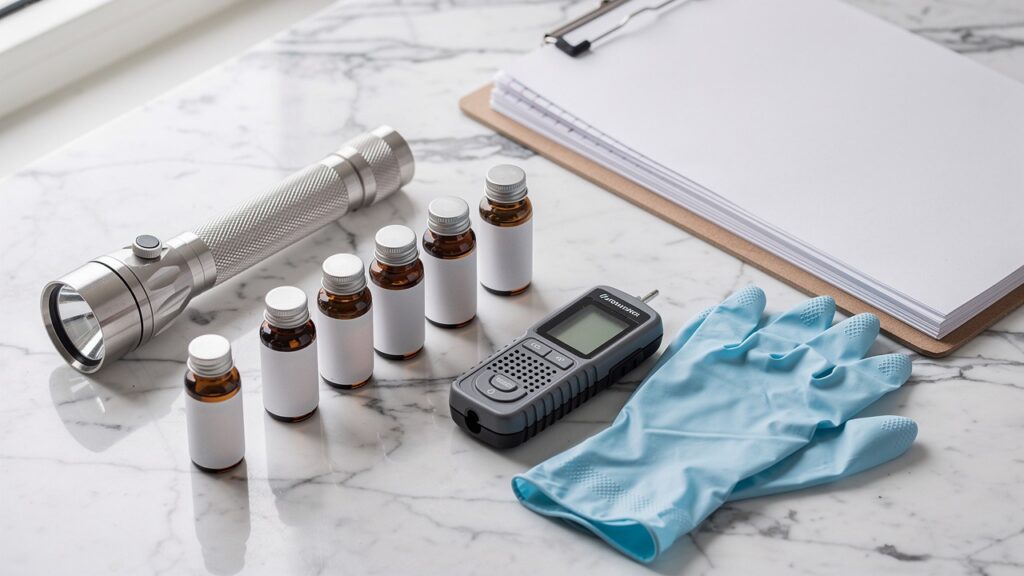
Pest control costs in Singapore are shaped by several main drivers, which is why two neighbors can receive very different quotes. For example, a small cockroach issue in a three‑room HDB may be solved for about $140, while a heavy termite case in a three‑storey bungalow can cross $1,500. Knowing these drivers helps you read any quote with more confidence.
According to pricing compiled from NEA‑licensed providers such as Aardwolf Pestkare, one‑off ant or cockroach treatments for flats often start around $140. The same source ranges show that complex pests like bed bugs and termites usually sit several times higher.
| Cost Driver | How It Changes The Final Price |
| Pest type | Simple insects cost less, structural or hard‑to‑kill pests cost more |
| Infestation severity | Small, early problems need fewer visits and less chemical |
| Property size | Bigger floor area means more labor, more product, and more time |
| Treatment method | Basic sprays are cheaper than heat, fumigation, or bait systems |
| Service frequency | One‑off visits cost more per session than contract visits |
| Location/accessibility | Hard‑to‑reach spots, void decks, false ceilings, or gardens add work |
| Company expertise | Well‑known NEA‑licensed brands charge a bit more for experience and stronger support |
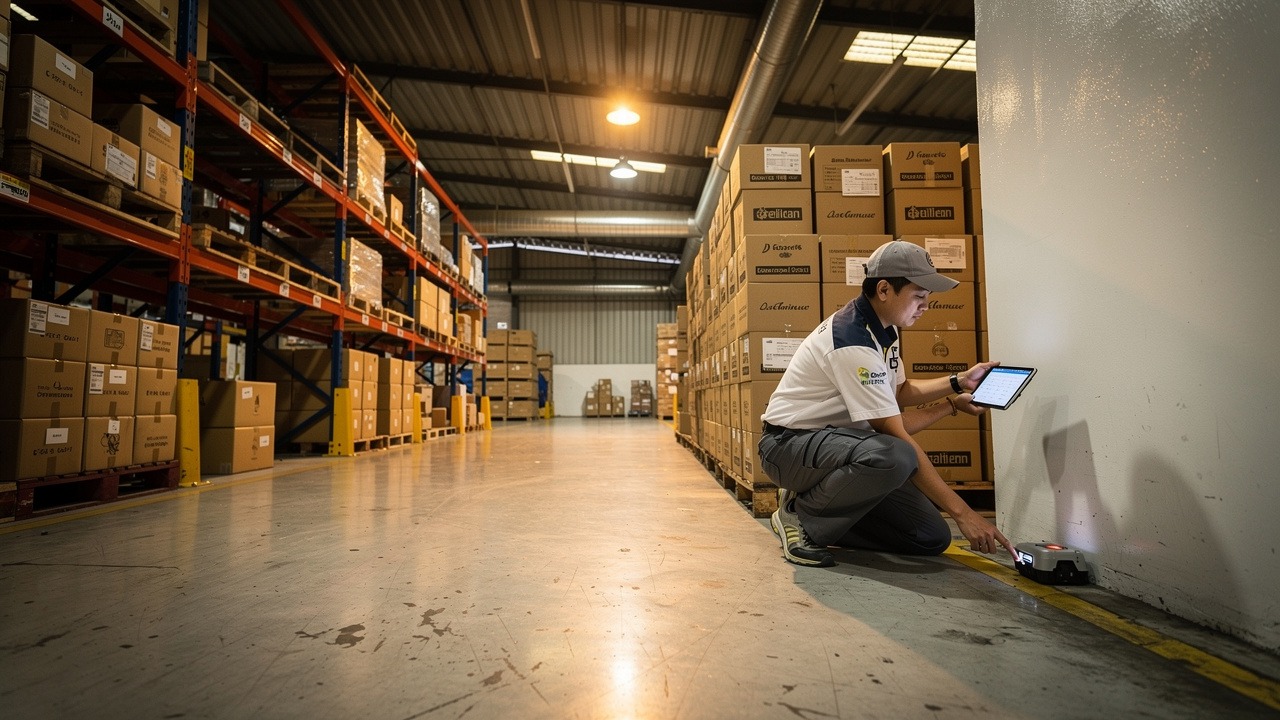
Infestation severity matters a lot. A light ant problem in a single pantry may be handled in one trip, but a long‑running rodent problem in a warehouse often needs several visits, bait stations, and sealing of entry points. The longer pests have been breeding, the longer the technician needs to solve them.
Property size and layout come next. A compact HDB kitchen takes less time than a full‑service restaurant spread across several units in Orchard Road. Landed homes with gardens or roof spaces need extra checks and extra chemical, which shows up in the bill.
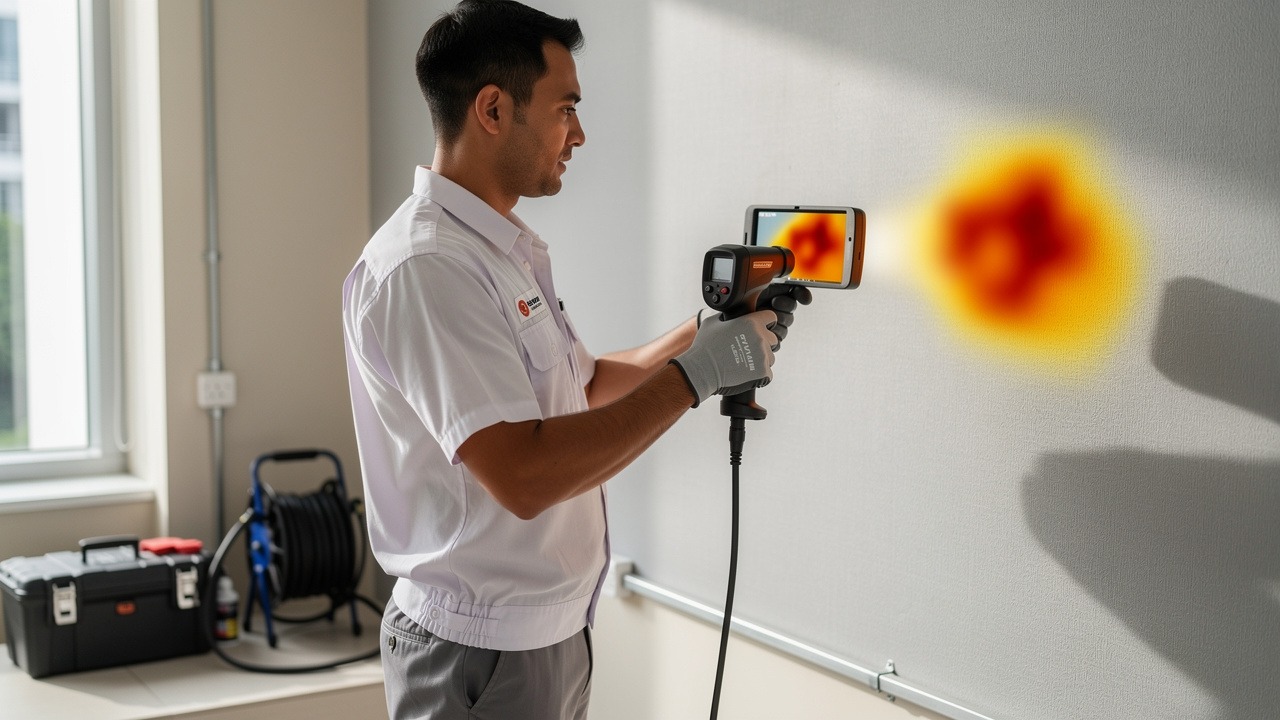
Treatment method also changes pest control Singapore cost. Standard gel bait or spray is usually the cheapest. Heat treatment for bed bugs or full soil treatment for termites uses special equipment and training, so those sessions cost more but also protect furniture or structure better.
Company reputation and support are another piece. Firms like Aardwolf Pestkare, Rentokil Initial, or Killem Pest use NEA‑certified technicians, modern tools, and documented processes. You may pay a bit more per visit, yet you get proper reports, safer products, and clearer follow‑up if pests return.
Pest Control Price Guide By Pest Type (2026)
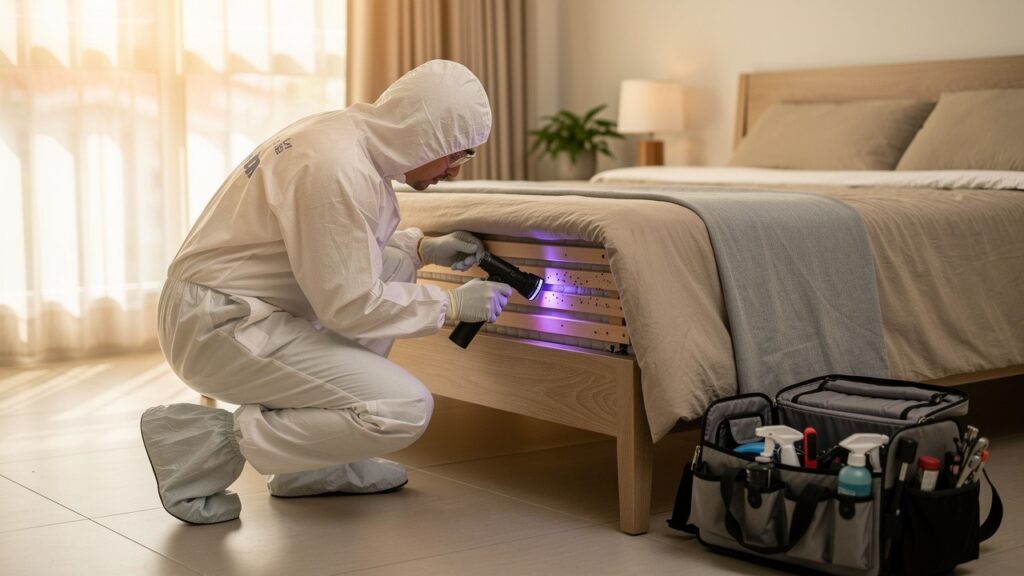
Pest control price guides for Singapore show clear bands by pest type, with ants and cockroaches at the entry level and termites, bed bugs, and rodents at the top. These figures, based on 2026 market ranges from NEA‑licensed companies, help you see if a quote lines up with common practice.
According to aggregated pricing from providers such as Aardwolf Pestkare and other local operators, HDB one‑off treatments for general insects usually start near $140. Bed bug packages and full termite work often run several times higher because they need more visits and monitoring.
Here is a simple benchmark table. Actual quotes still vary by infestation level, property size, and contract structure.
| Pest Type | Typical One‑Off Range (HDB vs Landed) | Typical Annual Contract Range | Notes |
| Ants | From ~$140 HDB, up to ~$250 large bungalow | Bi‑monthly from ~$520 to ~$750 yearly | Often bundled with cockroaches as general pest service |
| Cockroaches | From ~$140 HDB, up to ~$230 three‑storey house | Bi‑monthly from ~$520 to ~$860 yearly | Heavy infestations may need extra visits beyond standard contract |
| Bed bugs | Packages from ~$450 HDB 3‑room to ~$1,500 bungalow | Usually per project, not yearly | Most packages include at least two treatments across bedrooms |
| Rodents | About $450 for four‑week HDB program, ~$500+ landed | Custom monthly programs for F&B, warehouses | Bait stations and sealing work often included |
| Termites | $120–$260 per session, higher for soil treatment | Multi‑month programs priced case by case | Landed homes with soil contact pay the most |
| Mosquitoes | $70–$150 per fogging or larviciding session | Often added into general pest contracts | Important for dengue control, especially in landed estates |
| Flies | $80–$100 per session | Often bundled with kitchen pest plans | Common in F&B outlets and wet markets |
Ant and cockroach work is usually the lowest spend for both homeowners and SMEs. A three‑room HDB owner might pay about $140 for a one‑off treatment, while a small Bukit Timah cafe may sign a bi‑monthly contract around $520–$600 per year. That keeps crawling pests under control and supports NEA hygiene checks.
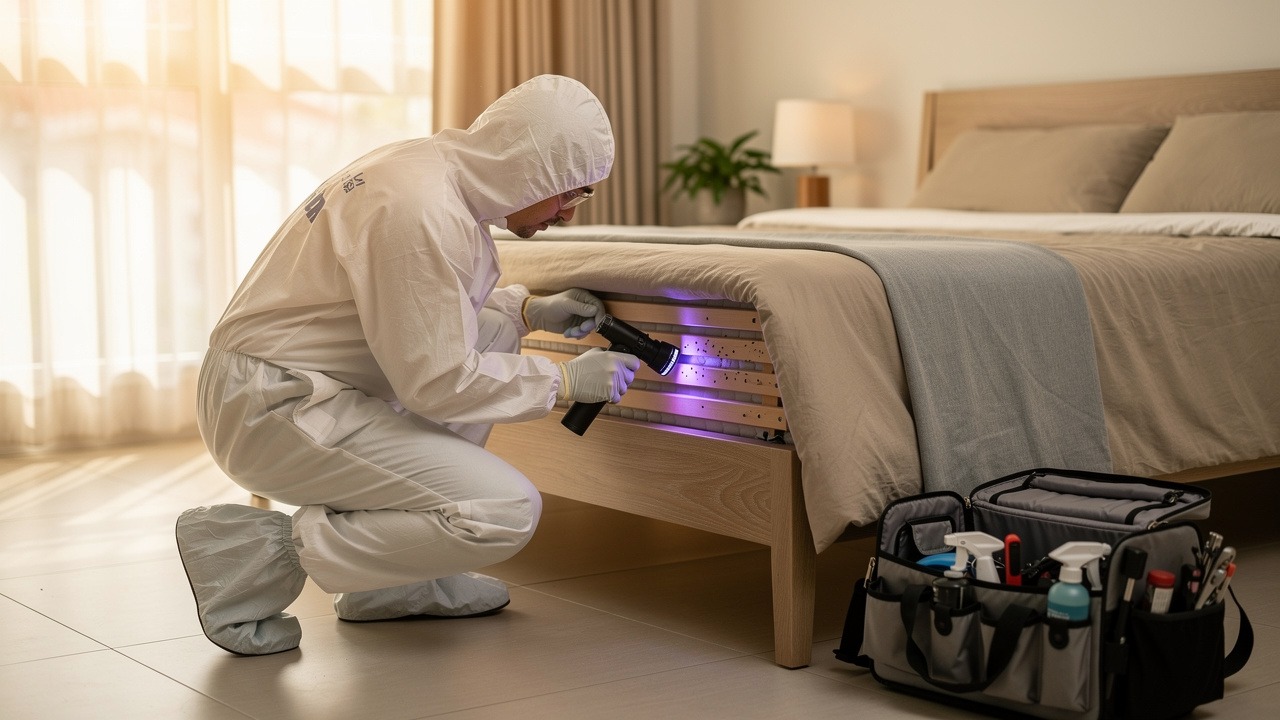
Bed bug treatments sit at the top end. Packages commonly start around $450 for a three‑room HDB and climb to between $1,200 and $1,500 for large bungalows with several rooms. These jobs need at least two visits, careful inspection of mattresses and furniture, and sometimes heat treatment, so the higher ticket size makes sense.
Rodent and termite work also cost more than basic insects:
- Rodent programs usually span four weekly visits, trap and bait checks, and proofing advice.
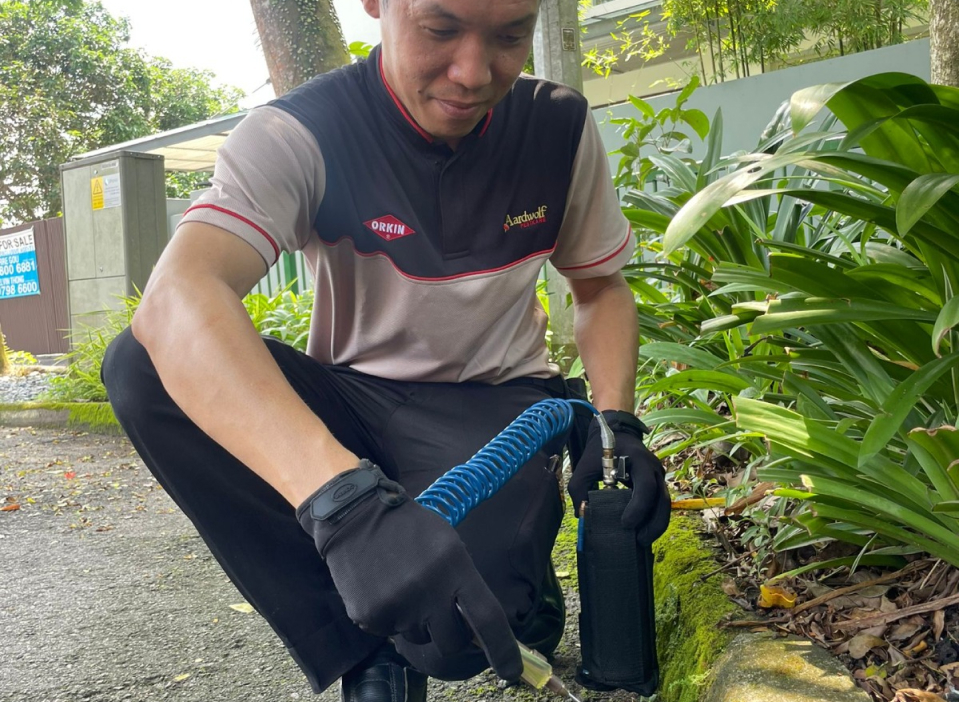
- Termite programs may involve drilling, bait stations, or soil treatment around the house, which explains the $120–$260 per session range and the higher totals for landed homes.
Mosquito and fly treatments often come as add‑ons inside wider contracts, especially for F&B and industrial clients. These sessions are cheaper per visit but important for health reasons, as the National Environment Agency reminds residents about dengue and food safety every year. When you read any quote, see how many pest types are covered before comparing totals.
For complex cases such as termites, reputable companies follow an inspection‑to‑monitoring process instead of a fast spray‑and‑go style. Aardwolf Pestkare, for example, builds custom plans that start with identification, recommend eco‑friendly methods where possible, and follow with periodic checks. That kind of structure protects buildings better and reduces the chance of repeat damage.
One-Off Treatment Vs. Annual Contract: Which Saves You More?

The choice between one‑off pest control and an annual contract in Singapore usually comes down to how often pests show up and how steady you want your budget to be. One‑off jobs fit sudden, isolated issues, while contracts spread out the spend and keep pests from building up again.
Market figures from NEA‑licensed providers show a clear pattern. A single cockroach treatment for an HDB flat averages around $140, while a bi‑monthly contract over a year often costs about $520, or roughly $87 per visit. The lower per‑visit price reflects the long relationship and steady work for the provider.
Here is a quick comparison using that cockroach example.
| Option | Approximate Cost For HDB | Pros | Watch‑Outs |
| One‑off treatment | ~$140 once | Good for rare issues and tight cash flow | No prevention, higher cost if infestations recur |
| Annual contract | ~$520 yearly (6 visits) | Lower per‑visit price and ongoing protection | Higher upfront yearly spend |
One‑off sessions suit new problems where you have fixed a clear cause, such as a short renovation or a one‑time food spill in a storeroom. If you rarely see pests and live in a newer block, this simple approach can be enough.
Contracts make more sense for:
- F&B outlets and cafes
- Warehouses and logistics hubs
- Older HDB blocks
- Landed homes with gardens or roof terraces
These places attract pests all year, and NEA inspections may look for records of regular treatment. For such properties, the lower per‑visit price and steady monitoring often save money over twelve months.
Some providers promote very low headline prices that hide the real spend. A common example is a “$50 per month” plan that turns out to be a quarterly visit billed at $150 or more. Always ask how many visits you get, what each visit includes, and whether re‑treatment is free if pests return.
Always ask three things before signing any contract – number of visits, what each visit covers, and what happens if pests come back.
— Common advice from NEA‑licensed pest control providers in Singapore
How To Choose A Pest Control Company In Singapore Without Overpaying
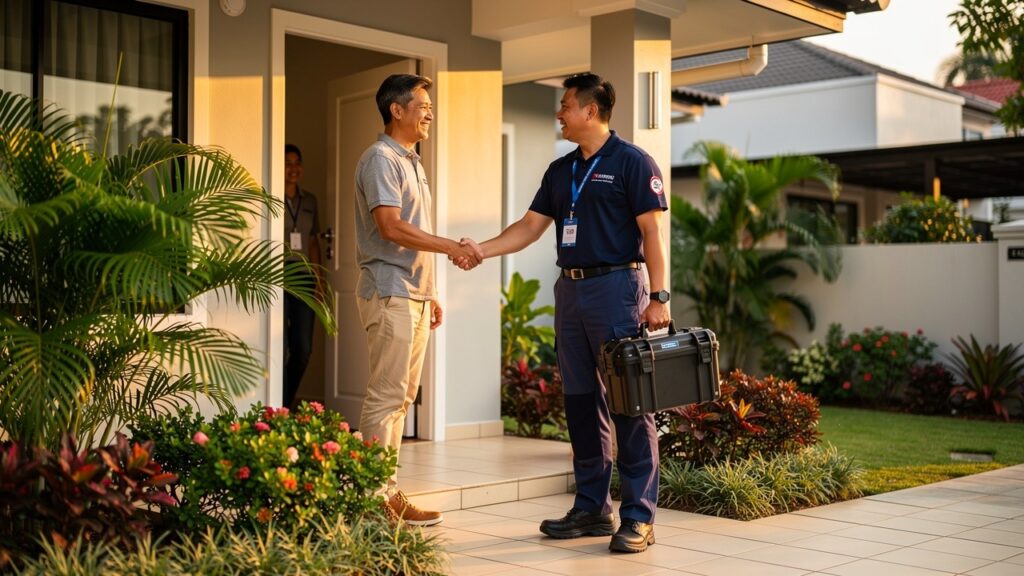
Choosing a pest control company in Singapore without overpaying starts with clear quality checks, not just the lowest fee. The safest choice is usually an NEA‑licensed provider with transparent treatment plans, clear follow‑up, and experience with your specific pest type.
According to guidance from the National Environment Agency, all vector control operators must hold a valid license and use approved chemicals. Industry recognition and awards at regional events, such as the FAOPMA Pest Summit, can also signal that a company keeps its standards high. Those signs matter as much as the dollar figure in the quote.
Here is a simple checklist you can use before you sign:
- Confirm NEA licensing and ask to see the license number. Licensed operators train their technicians, record chemical use, and follow safety rules. This protects your family, staff, and brand if anything goes wrong. It also protects you legally during audits or tenancy checks.
- Request written, itemized quotes from at least three providers. Ask them to spell out number of visits, pest types covered, and whether follow‑up is included. Written details stop misunderstandings later and help you compare offers line by line instead of guessing.
- Ask what chemicals and methods they use, and whether low‑toxicity options are available. Households with children, pets, or elderly folks may prefer gels and baits over broad sprays. Reputable companies explain the trade‑offs clearly and give safety advice before and after treatments.
- Look for reviews and case studies, not just marketing claims. A long list of real customers in areas like Tampines, Jurong, or Ang Mo Kio tells you more than a brochure. This is especially important for landlords, F&B owners, and facility managers.
- Act fast when you see early signs, such as droppings, wings, or new bite marks. Treating a small issue usually costs less than half of what a long‑running infestation might need. Quick calls also reduce damage to stock, furniture, or structure.
Pest control businesses that appear high on Google when someone searches ‘pest control Singapore cost’ or ‘termite treatment price Singapore’ are often contacted first, which is why clear online pricing guides, service pages, reviews, and local search visibility matter. For customers, clear online information makes it easier to understand what is included, compare providers fairly, and avoid vague quotes.
For customers, the same principle applies when comparing pest control providers: look for clear scope, transparent pricing, written reports, and follow-up terms instead of vague promises.
Start Pest-Free In 2026: Final Thoughts
Keeping 2026 pest‑free in Singapore starts with understanding how pest control Singapore cost works and what a fair range looks like for each pest. Once you know that ants and cockroaches sit near $140 per visit, while termites, bed bugs, and rodents run higher, quotes start to feel less mysterious.
The smartest moves stay the same across homes and businesses: act early, get a few written quotes from NEA‑licensed providers, and pick contracts when pests or NEA checks are regular parts of your life.
If you are comparing providers, choose an NEA-licensed company that explains the treatment scope clearly, provides written pricing, and offers proper follow-up instead of relying only on the cheapest headline rate.
Frequently Asked Questions
Common questions about pest control Singapore cost often center on inspections, DIY options, and how often to book visits. These quick answers give you clear, stand‑alone guidance without needing to reread the whole guide.
Question 1: How Much Does A Pest Control Inspection Cost In Singapore?
Many NEA‑licensed companies in Singapore offer free or low‑cost on‑site inspections. When a fee applies, it is usually modest and often offset against the treatment cost if you proceed. An inspection is especially useful for termites and rodents, where the true scope is hard to see with just a quick look.
Question 2: Is It Cheaper To Handle Pest Control Myself?
DIY sprays and traps look cheaper at the start, but they rarely remove the root cause. If infestations keep returning, repeated DIY buys can quietly exceed a structured professional program. For cockroaches, bed bugs, termites, and rodents, licensed treatment almost always pays off over time by reducing damage and repeat visits.
Question 3: How Often Should I Get Pest Control Done In Singapore?
For most homes, bi‑monthly general pest control is a common starting point. Commercial spaces, F&B outlets, and warehouses often need monthly visits to match NEA hygiene expectations and heavy pest pressure. Properties with gardens or nearby drains may also benefit from more frequent mosquito checks, especially during dengue season.
Question 4: Are Pest Control Prices In Singapore Regulated?
Pest control prices in Singapore are not set by the government. The National Environment Agency regulates licensing, safety, and approved chemicals but leaves pricing to the market. This is why comparing several written quotes from licensed providers is so important.
Question 5: What Is The Most Expensive Pest To Treat In Singapore?
Bed bugs and termites usually sit at the top end of pest control spending. Bed bug packages often range from about $450 to $1,500 depending on property size. Termite work can exceed $260 per session for larger homes because it involves more labor, drilling, and monitoring around the structure.