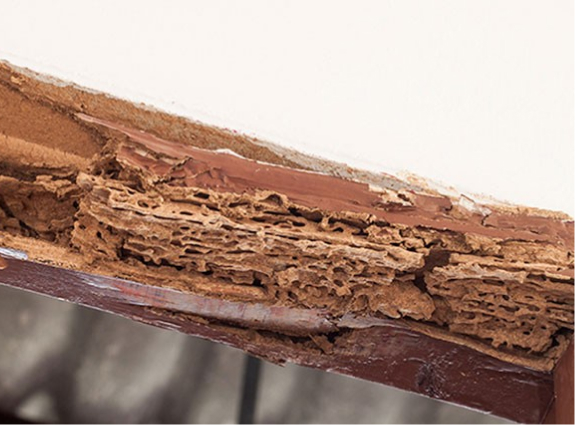
Termites can damage timber, built-in cabinets, skirting, doors, and structural areas long before obvious signs appear. In Singapore’s warm and humid conditions, subterranean termites can stay active throughout the year, which makes early detection and ongoing protection important.
Termite baits are designed to control the colony, not just the visible termites. Aardwolf Pestkare uses termite baiting services, soil treatment, spot treatment, thermal imaging, and species-specific termite control for residential, commercial, and industrial properties in Singapore.
What Are Termite Baits?
Termite baits are control systems that use bait stations to attract worker termites. The bait contains a food source that termites consume and share with the rest of the colony.
Unlike surface sprays, baiting is meant to reach termites hidden underground, inside walls, or within timber. Aardwolf Pestkare explains that sprays may only kill visible worker and soldier termites, while the colony can remain active and continue causing damage elsewhere.
How Do Termite Bait Systems Work?
Termite baiting works in stages.
1. Inspection
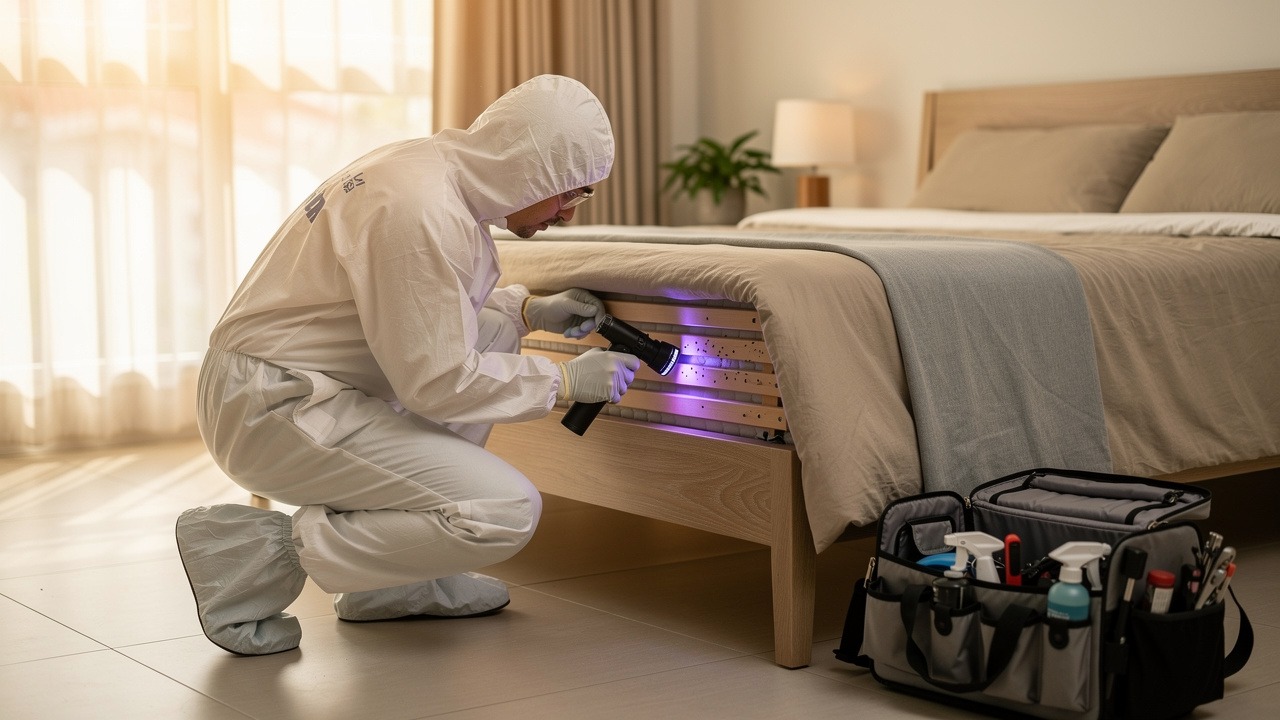
A proper termite programme begins with inspection. Technicians look for mud tubes, damaged timber, hollow sounds, moisture-prone areas, and possible entry points.
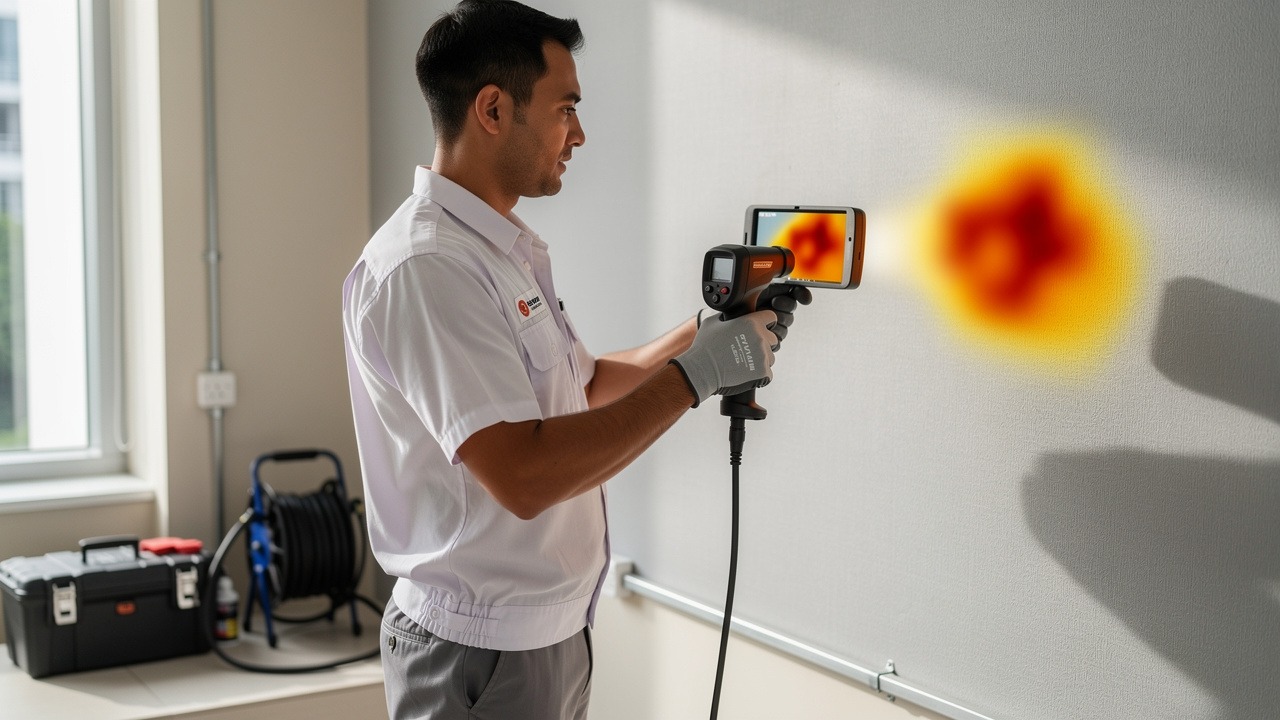
Aardwolf Pestkare uses thermal imaging through TermiCam technology to help detect termite presence and entry points before treatment. Its thermographers are trained in Australia and certified by the Australian Institute for Non-Destructive Testing.
2. Station Placement
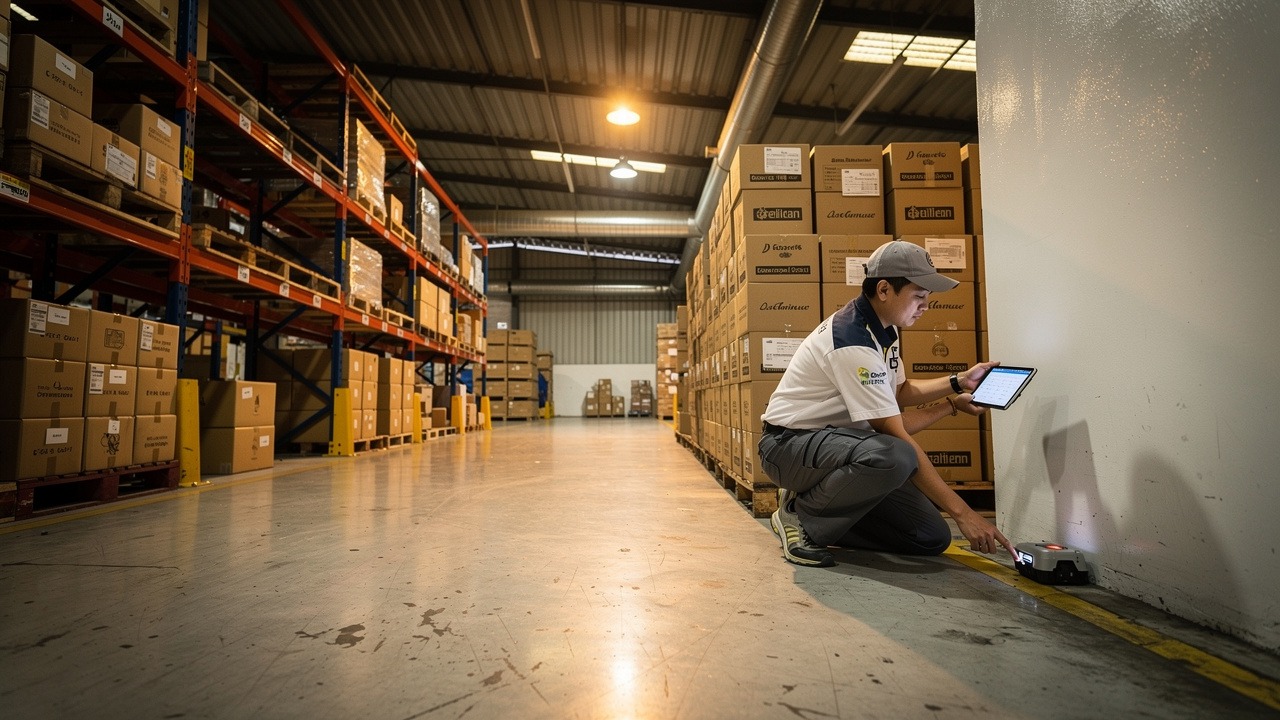
Bait stations are placed in areas where termite activity is found or expected. These may be installed around the building, near termite trails, or close to affected timber areas.
3. Feeding and Colony Spread
Worker termites feed on the bait and carry it back to the colony. Because the bait works slowly, termites have time to share it with others before the colony weakens.
4. Monitoring and Top-Ups
Technicians return to check feeding activity, replace bait when needed, and record progress. A proper programme does not end after one visit. It continues until activity drops and the risk is controlled.
When Should You Consider Termite Baiting?
Termite baiting is suitable when there is suspected or confirmed subterranean termite activity.
Common warning signs include:
- Mud tubes on walls, floors, foundations, or pipes
- Hollow-sounding timber
- Damaged skirting, doors, cabinets, or built-ins
- Small piles of wings near windows or lights
- Bubbling paint or soft timber surfaces
- Fine soil-like material near cracks or wood joints
If you notice these signs, avoid breaking mud tubes or spraying randomly before inspection. Disturbing the area may cause termites to move deeper or spread to another location.
Termite Baits vs Soil Treatment
Termite baits and soil treatment serve different purposes.
Termite Baits
Baits are used to target the colony through feeding behaviour. They are useful when termites are already active and when owners want a less disruptive approach.
Soil Treatment
Soil treatment creates a treated barrier around a building to stop termites from entering. Aardwolf Pestkare applies insecticides into the soil around a structure after inspecting and identifying potential entry points.
Which Is Better?
There is no single answer for every property. Baiting is often used for colony control, while soil treatment may be used for broader protection around the structure. Some properties may need both, depending on the infestation level, building layout, and risk areas.
Why Professional Assessment Matters
Termite control should not be based on guesswork. A proper assessment identifies the termite species, activity level, entry points, and suitable treatment method.
Aardwolf Pestkare provides termite control for homes, offices, commercial spaces, and industrial properties in Singapore. Its services include termite baiting, soil treatment, spot treatment, drywood termite treatment, and subterranean termite treatment.
Professional inspection also helps avoid unnecessary drilling, repeated failed treatments, and hidden damage that continues unnoticed.
What to Expect From Aardwolf Pestkare
A termite baiting service should provide a clear process from inspection to follow-up. With Aardwolf Pestkare, property owners can expect termite inspection, treatment planning, bait station placement, progress checks, and advice on prevention.
Aardwolf Pestkare was established in Singapore in 1997 and is located at 26 Third Lok Yang Road.
FAQ
How long do termite baits take to work?
Termite baits usually take several weeks to a few months to control a colony. The timing depends on colony size, feeding activity, station placement, and how quickly termites consume and share the bait.
Are termite baits suitable for Singapore homes?
Yes. Termite baits are suitable for many Singapore homes, especially where subterranean termites are active and hidden entry points are suspected.
Should I spray termites before calling a professional?
No. Spraying visible termites may disturb them and make inspection harder. It is better to leave the affected area untouched until a technician checks the site.
Can Aardwolf Pestkare inspect hidden termite activity?
Yes. Aardwolf Pestkare uses termite inspection methods including TermiCam thermal imaging to help detect termite presence and entry points in Singapore properties.