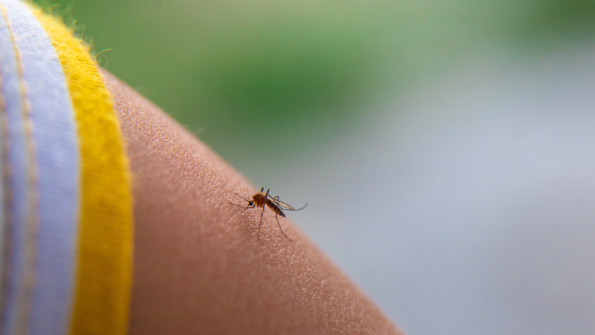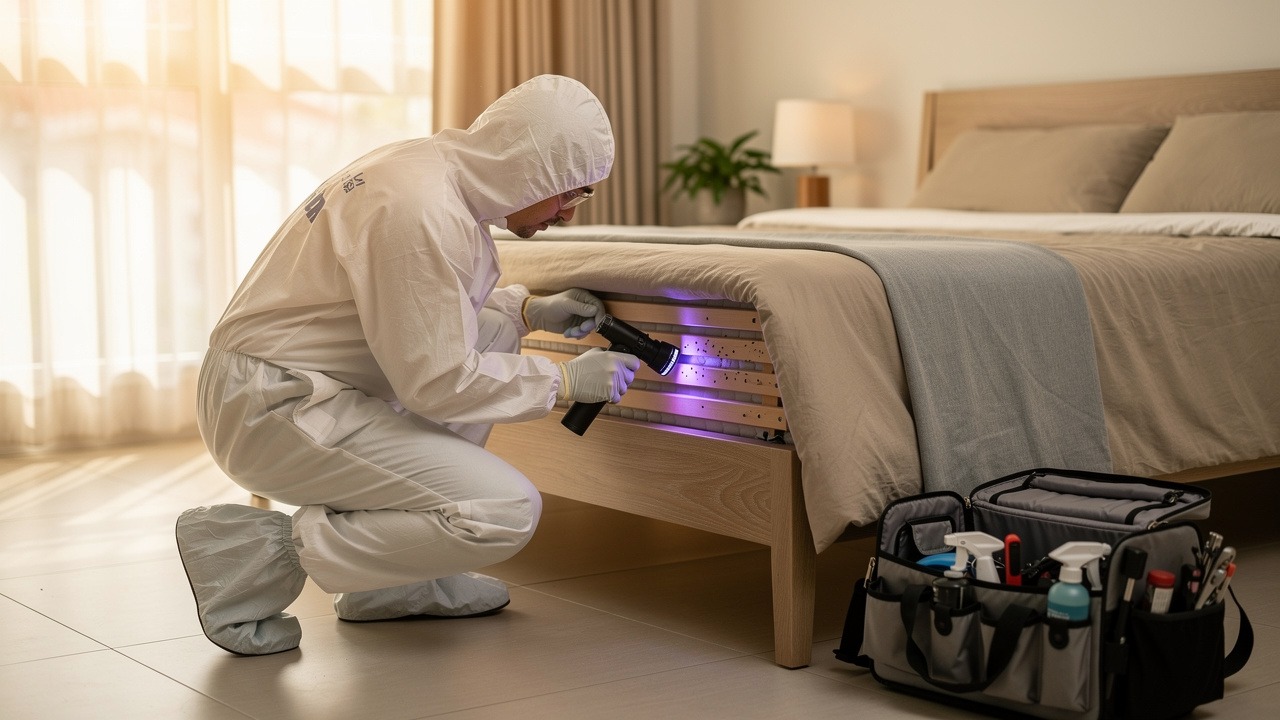

Professional mosquito pest control for Singapore businesses should focus on preventing breeding, reducing adult mosquito activity and monitoring the conditions that allow mosquitoes to return. Fogging alone is not enough. A stronger approach starts with inspection, removes preventable breeding sources, applies larviciding where suitable and uses adult mosquito treatments such as fogging or misting only when the site conditions justify them.
This matters because Aedes mosquitoes remain an important public-health concern in Singapore throughout the year. During 2025, the National Environment Agency carried out about 565,730 mosquito inspections across Singapore and uncovered approximately 20,469 mosquito breeding habitats. NEA continues to emphasise that owners and occupiers have a role in removing stagnant water and preventing mosquito breeding.
For businesses, mosquito management affects more than customer comfort. Offices, F&B outlets, factories, warehouses, schools, retail premises and other commercial properties can contain drains, roof areas, landscaping, plant containers, water features, loading zones and service areas where stagnant water may develop without being noticed immediately.
Aardwolf Pestkare provides mosquito management for commercial as well as residential premises in Singapore. Its mosquito programme includes inspection for actual and potential breeding locations, larviciding to target immature mosquitoes, and fogging or misting when adult mosquito control is appropriate. The company has operated in Singapore since 1997 and describes its broader pest-management approach as identifying the pest problem accurately before selecting a sustainable management solution.
Quick Answer: What Is the Best Mosquito Control Approach for a Singapore Business?
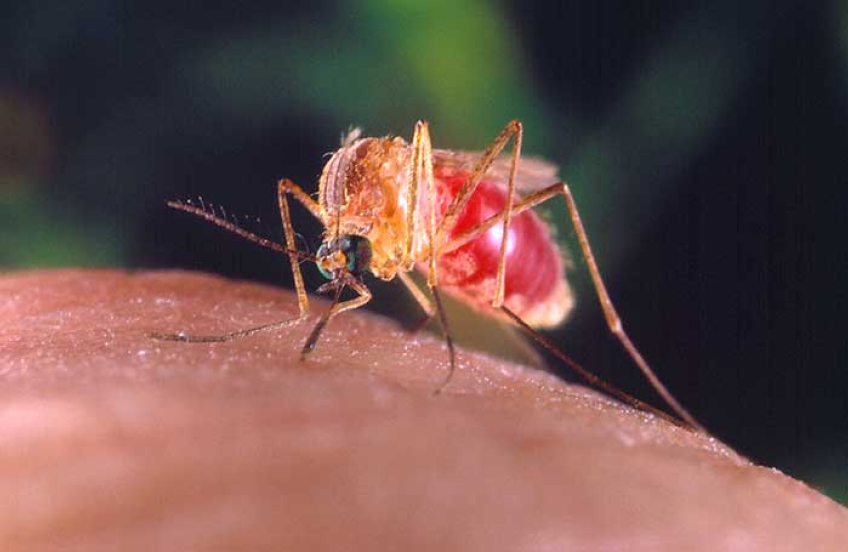
The most effective mosquito-control approach for a business is not routine fogging. It is a combination of inspection, source reduction, larviciding where breeding water cannot simply be removed, selective adult mosquito control and continued monitoring.
The first priority is to determine whether mosquitoes are breeding on the premises and where water is accumulating. Preventable stagnant water should be removed or corrected. Where suitable water bodies cannot be eliminated, larviciding may be considered. Fogging or misting can then be used where adult mosquito activity justifies treatment.
This approach is consistent with Singapore’s Integrated Pest Management direction under SS 721:2025, which emphasises prevention, risk assessment, appropriate combinations of control measures and continued monitoring rather than relying only on reactive pesticide application.
Why Is Mosquito Control Important for Singapore Businesses?
Mosquito control is important because businesses are responsible for maintaining premises that do not encourage mosquito breeding, while persistent mosquito activity can affect employees, customers, visitors and daily operations.
Singapore’s mosquito-control framework places strong emphasis on breeding prevention. If mosquito breeding is found at a premises, enforcement can be taken under the Control of Vectors and Pesticides Act. Depending on the circumstances, an owner or occupier can face a fine of up to S$5,000, imprisonment for up to three months, or both.
This makes mosquito prevention a facilities-management issue rather than simply a response to uncomfortable bites.
A business can appear clean indoors while water accumulates in a roof gutter, planter, service yard, drain, equipment base or another less visible area. Persistent mosquito activity may therefore reflect conditions elsewhere within the property rather than poor cleanliness inside the occupied room.
The level of mosquito risk can also change with weather and surrounding conditions. Heavy rainfall, nearby greenery, construction activity and poorly drained external areas may create additional opportunities for water to collect.
Even when the source is outside the room where mosquitoes are noticed, adults can move into dining areas, offices, reception spaces and other places where people gather.
Which Mosquitoes Are Most Relevant to Singapore Businesses?
Aedes mosquitoes deserve particular attention because Aedes aegypti is Singapore’s primary dengue vector. Aedes albopictus is another locally present Aedes species.
Female Aedes mosquitoes bite because they require blood for egg development, and NEA identifies periods around dawn and dusk as important times of Aedes biting activity.
The biology of the mosquito affects where technicians inspect and which control measures are appropriate.
Aedes mosquitoes do not require a large pond to breed. Small collections of stagnant water can support their development, which means commercial mosquito inspections should extend beyond obvious drains and large water bodies.
Depending on the property, equipment bases, plant trays, roof areas, outdoor containers, service yards, drainage channels and poorly drained locations may all require attention.
Aardwolf’s mosquito service begins by identifying actual or potential breeding locations before larvicide treatment is considered. Adult mosquito treatment through fogging or misting can then be assessed according to the conditions found at the premises.
What Are the Signs a Business May Need Professional Mosquito Control?
Persistent mosquito bites, repeated sightings of adult mosquitoes and mosquito larvae or pupae in stagnant water are strong reasons to investigate further.
Mosquito activity that quickly returns after employees use aerosol sprays can also suggest that the source has not been addressed.
Businesses should pay attention to recurring patterns rather than isolated sightings.
If employees repeatedly report daytime bites in the same area, diners regularly complain about mosquitoes around outdoor seating, or mosquito activity increases after rainfall, nearby breeding or resting conditions may be contributing to the problem.
Visible larvae are especially important because they indicate that mosquitoes are already developing in water on or near the premises.
Where safe and practical, the underlying water accumulation should be corrected rather than focusing only on adult mosquitoes after they emerge.
Businesses located near construction sites, extensive landscaping, drains or complicated external service areas may also experience recurring mosquito pressure even when housekeeping inside the occupied unit is good.
In these cases, professional assessment can help determine whether the source is located within the premises or whether mosquitoes are entering from the surrounding environment.
Is the Mosquito Problem Coming From Your Premises or From Outside?
Recurring mosquito activity inside a business does not automatically mean mosquitoes are breeding in the room where people are being bitten.
Adults can enter from nearby landscaping, drains, construction sites, common areas or neighbouring premises.
This distinction is important because the correct response depends on where the problem originates.
If larvae are found in stagnant water within the premises, the business has a clear on-site breeding issue that needs to be corrected or appropriately treated.
If no breeding is found inside the occupied area, technicians may need to examine external compounds, roof areas, drainage, service zones, planters and other surrounding locations.
A professional inspection should therefore distinguish between three different problems: mosquitoes breeding on-site, adult mosquitoes resting around the property and mosquitoes entering from external areas.
Each scenario may require a different combination of source correction, larviciding, environmental management or adult mosquito treatment.
What Does Professional Mosquito Pest Control Involve?
Professional mosquito pest control should start with assessment rather than automatic spraying.
The technician needs to understand where mosquitoes may be breeding, where adults are resting and what conditions are allowing the problem to continue.
Singapore’s SS 721:2025 Integrated Pest Management framework supports this type of approach. The framework emphasises prevention, objective risk assessment, appropriate combinations of control methods, reduced unnecessary reliance on pesticides and continuous monitoring.
For a business, this means different areas of the property may require different actions instead of one treatment being applied everywhere.
A drain that retains water presents a different risk from a landscaped resting area. A roof gutter that repeatedly collects rainwater requires a different response from adult mosquitoes entering from surrounding vegetation.
The objective is to correct the underlying mosquito risk rather than simply maximise the amount of insecticide applied.
How Does a Commercial Mosquito Inspection Work?
A mosquito inspection looks for existing breeding, potential breeding areas and environmental conditions that allow water to accumulate.
Technicians may examine external drains, landscaped areas, gutters, plant containers, water features, service yards, loading areas, roof areas and other locations relevant to the site’s layout.
The aim is to establish where mosquitoes are developing and which conditions can be corrected.
Aardwolf states that its technical specialists inspect external compounds for mosquito breeding before treating suitable stagnant-water areas with larvicide. Its programme also considers adult mosquito treatment after the breeding assessment.
This sequence matters because a breeding source that continues producing new adults can cause mosquito activity to return even after a successful fogging or misting treatment.
For commercial properties, inspection should also consider how the site operates. Delivery areas, outdoor seating, production zones, landscaping, waste-handling areas and restricted-access service spaces can all create mosquito risks that may not be obvious during normal business operations.
What Does Aardwolf Check During a Commercial Mosquito Inspection?
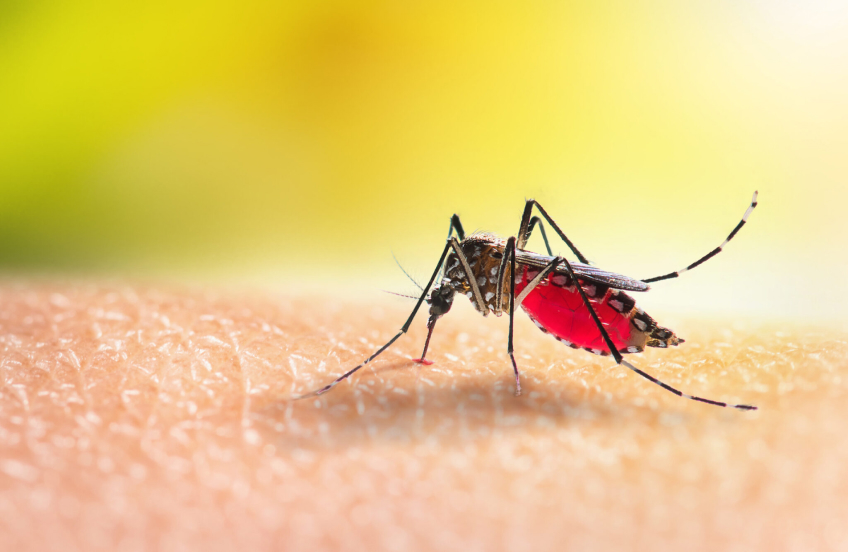
Based on Aardwolf’s published mosquito-control approach, inspection begins with identifying actual or potential mosquito breeding locations before treatment is selected.
For commercial sites, this means checking the external compound and other relevant areas where stagnant water may collect.
The purpose is not simply to confirm that mosquitoes are present, but to understand whether water-holding conditions are allowing larvae to develop and whether adult mosquito activity also requires treatment.
Where suitable stagnant water cannot simply be removed, Aardwolf includes larviciding as part of its mosquito programme.
Where adult mosquitoes are already present, the company may use water-based fogging or misting depending on the site and treatment objective.
This multi-stage process is more useful than starting with a predetermined fogging schedule because mosquito breeding and adult mosquito activity are different parts of the same problem.
How Does Larviciding Control Mosquitoes?
Larviciding targets mosquitoes while they are still developing in water.
Instead of waiting for larvae to become flying adults, an appropriate larvicide can be applied to suitable breeding or potential breeding locations.
Aardwolf’s mosquito service includes larviciding after technicians identify mosquito breeding or prospective breeding areas.
The objective is to reduce the number of new adult mosquitoes emerging from those locations.
Larviciding should not become an excuse to leave unnecessary stagnant water in place.
Where the water can be removed, drained or prevented from accumulating again, source correction is generally more useful.
For permanent or unavoidable water-holding structures, technicians can assess whether larviciding is appropriate and whether the location requires continued monitoring.
When Is Mosquito Fogging Appropriate?
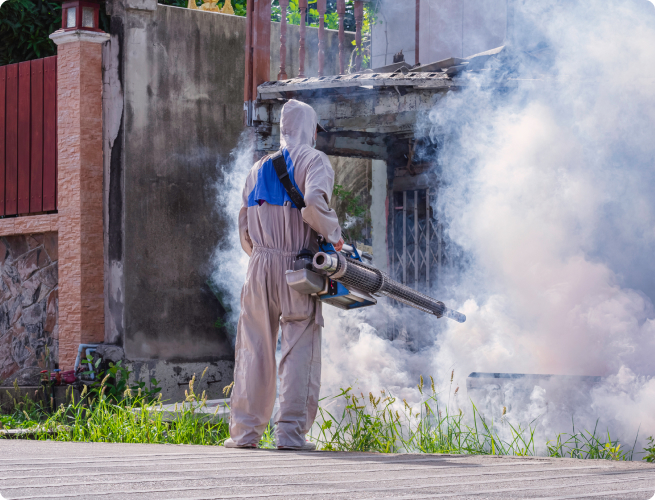
Fogging is an adult mosquito-control method intended to rapidly reduce mosquitoes that come into contact with the insecticide.
It can be useful when adult mosquito populations need to be reduced quickly, but its effect is temporary if breeding continues.
NEA advises that fogging and misting should be used judiciously rather than as automatic routine treatments. Indiscriminate chemical use can affect non-target insects and contribute to insecticide resistance.
Source reduction remains the primary focus of dengue control, while adult mosquito treatment is used according to actual need.
Aardwolf provides water-based mosquito fogging to reduce existing adult mosquitoes and combines this with inspection and larviciding rather than positioning fogging as the complete solution.
For businesses, timing and coordination also matter because treatment may affect staff access, customer-facing areas or normal operations.
The provider should explain what preparation is required before treatment and how the affected areas will be managed.
What Is Mosquito Misting?
Mosquito misting disperses fine droplets of an appropriate pesticide into selected mosquito-prone areas to target adult mosquitoes.
Aardwolf offers mosquito misting for suitable outdoor spaces in addition to fogging and larviciding.
The choice between misting and fogging should follow the property conditions and treatment objective rather than assuming that the same equipment is suitable everywhere.
Like fogging, misting is an adult mosquito-control method.
If mosquitoes continue emerging from untreated stagnant water, repeated misting will not correct the source of the problem.
This is why adult mosquito treatment works best when it forms part of a wider programme that also addresses breeding.
Fogging, Misting or Larviciding: Which Does Your Business Need?
These treatments address different parts of the mosquito problem.
Larviciding targets immature mosquitoes developing in suitable water. It is most relevant where breeding or potential breeding locations have been identified and the water cannot simply be eliminated.
Fogging is used to reduce adult mosquitoes that are present during treatment. It can provide a faster reduction in adult mosquito activity when conditions justify its use, but the effect will not be sustainable if new mosquitoes continue emerging.
Misting also targets adults but may be more suitable for selected mosquito-prone outdoor areas depending on the property and treatment plan.
None of these methods replaces source reduction.
If water accumulation can be removed permanently, correcting the underlying condition is more useful than repeatedly treating the same breeding location.
The correct programme may therefore include different methods at different stages rather than forcing every mosquito problem into one treatment category.
Is Fogging Enough to Keep a Business Mosquito-Free?
No.
Fogging alone cannot provide sustainable mosquito control because it does not remove the source of new mosquitoes.
The mosquitoes exposed during treatment may be killed, but larvae and pupae developing in untreated water can later emerge as adults.
This can create a cycle in which mosquito activity improves temporarily after fogging and then returns because breeding continues.
For a business, the more useful question is why mosquitoes are repeatedly present.
If a blocked gutter is producing mosquitoes, the gutter requires attention. If an outdoor drain retains water, the drainage condition needs to be assessed. If an unavoidable water body supports larvae, suitable larval treatment may be required.
The objective is not to fog as often as possible. It is to reduce the conditions that allow the mosquito population to recover.
What Is Integrated Pest Management for Mosquitoes?
Integrated Pest Management is a structured approach that combines prevention, monitoring and treatment according to the risks found at the premises.
Under Singapore Standard SS 721:2025, the focus is on addressing root causes rather than responding only after pest activity becomes obvious.
For mosquito management, this can mean correcting water accumulation, treating unavoidable breeding locations, targeting adult mosquitoes only where justified and reviewing the property periodically for new risks.
This approach is particularly useful for businesses because commercial sites change over time.
Landscaping may be altered, renovation work may affect drainage, nearby construction may begin and rainfall may expose locations that previously remained dry.
Mosquito management therefore needs to respond to changing site conditions rather than remain fixed around one standard treatment schedule.
How Does Mosquito Control Differ by Business Type?
Different businesses can face different mosquito risks because property layout, operations and surrounding environments vary.
For F&B outlets and restaurants, outdoor seating, nearby drains, landscaped areas and customer-facing spaces may be particularly important. Mosquito treatment may also need to be coordinated carefully around food handling, dining hours and customer access.
For offices, the occupied indoor space may contain relatively few breeding opportunities, while external landscaping, rooftop areas, common-property drainage or surrounding buildings can be more relevant.
Factories and warehouses can have wider compounds, loading bays, outdoor storage, drainage systems, roof areas and equipment capable of retaining rainwater. These properties may therefore require more systematic inspection than a small enclosed commercial unit.
Schools and childcare environments can also require careful attention because outdoor activity areas, planters, drains and sheltered locations may be used regularly by children and staff.
Larger landed commercial premises can face risks from gardens, gutters, perimeter drainage and outdoor structures.
The appropriate treatment programme should therefore follow the individual site rather than the industry label alone.
How Often Should a Business Schedule Mosquito Control?
There is no single treatment frequency that is correct for every Singapore business.
The schedule should depend on mosquito activity, site risk, surrounding conditions, breeding potential and what technicians find during inspections.
A restaurant with landscaped outdoor seating may require a different programme from an upper-floor office with little external exposure.
A factory with drains, loading bays and extensive outdoor grounds may also require more frequent inspection than a small enclosed retail unit.
This is why statements such as “every business needs monthly fogging” are misleading.
Fogging itself should not be treated as a calendar exercise. Treatment frequency should follow actual mosquito risk and inspection findings.
Aardwolf notes that multiple mosquito treatments may sometimes be required over an approximately two-week period depending on infestation severity. Longer-term servicing should then reflect the conditions found at the individual property rather than a universal schedule.
How Quickly Does Professional Mosquito Control Work?
The timeframe depends on what is causing the mosquito problem and which treatment is being used.
Adult mosquito treatments such as fogging or misting can reduce mosquitoes that are exposed during treatment relatively quickly, but this does not mean the overall problem has been solved.
If larvae are developing elsewhere on the premises, new adults may continue emerging.
Larviciding works at an earlier life stage by targeting mosquito larvae in suitable water, while source correction aims to prevent those breeding conditions from developing again.
This means a business should evaluate mosquito control based on whether activity remains reduced over time, whether breeding locations have been corrected and whether technicians continue finding larvae or new risk areas during follow-up.
What Should a Business Do Before Mosquito Fogging?
Preparation should follow the specific instructions provided by the vector-control company because requirements can vary according to the treatment area and product being used.
Commercial operators should understand which parts of the premises will be affected, how staff and customers need to be managed and whether food, equipment or sensitive operations require additional protection before treatment.
For F&B environments, exposed food and food-contact operations deserve particular attention when treatment planning is discussed.
The service provider should also explain access arrangements, treatment timing and any instructions that apply before people re-enter or resume normal activities in the treated area.
Businesses should avoid assuming that every fogging treatment has the same preparation or re-entry requirements. These depend on the treatment method and product instructions.
What Should Happen After Mosquito Treatment?
The service should not end with the application of pesticide.
After treatment, the business should understand what breeding or risk conditions were identified, what corrective actions are still required and whether follow-up inspection is recommended.
If a drain repeatedly retains water, the long-term solution may involve facilities maintenance rather than repeated larviciding alone.
If mosquitoes appear to be entering from external landscaping or neighbouring areas, future monitoring may be needed to determine whether activity is improving.
A professional mosquito programme should therefore include not only treatment but also interpretation of the findings and practical next steps for the property manager.
What Records Should a Business Receive After Mosquito Control?
Documentation is especially important for commercial mosquito management because facilities teams need to know what was found, what was treated and what remains outstanding.
NEA advises that inspection findings and treatment work should be recorded in service reports.
A useful report should make clear which areas were inspected, whether breeding or potential breeding conditions were identified, what treatment was performed and what corrective action or follow-up was recommended.
For businesses with recurring mosquito issues, these reports can help identify patterns over time.
For example, if the same drainage location repeatedly appears as a mosquito risk, the business may need to correct the underlying infrastructure rather than continue treating the symptom.
Good documentation therefore turns mosquito control into a measurable facilities-management process rather than a series of unrelated treatment visits.
What Are the Legal Responsibilities for Mosquito Control at Business Premises?
Businesses and property occupiers have a responsibility to prevent mosquito breeding on premises under their control.
NEA conducts mosquito inspections across residential, commercial, construction and public environments.
If mosquito breeding is detected, enforcement action can be taken under the Control of Vectors and Pesticides Act.
In 2025, NEA carried out more than half a million mosquito inspections islandwide and took more than 9,800 enforcement actions against owners and occupiers for mosquito breeding.
These numbers illustrate why mosquito prevention should form part of routine facilities management rather than only becoming a concern during a dengue cluster.
Professional vector-control work is also regulated.
NEA states that companies engaged to undertake vector-control work must be registered as Vector Control Operators, while personnel carrying out the work must hold the applicable Vector Control Technician licence or Vector Control Worker certification.
Fogging carries additional procedural requirements, including advance notification requirements for applicable operations.
How Should You Choose a Mosquito Pest Control Provider in Singapore?
Choose a provider based on registration, trained personnel, inspection quality, treatment rationale, documentation and relevant commercial experience rather than price alone.
NEA advises clients engaging vector-control services to consider trained manpower, experience, technologies, equipment and the provider’s track record.
A good provider should be able to explain what was found before recommending treatment.
If fogging is proposed, the reason should be clear. If breeding habitats are identified, there should be a plan to remove, correct or appropriately treat them.
The business should also understand what the quotation actually includes.
A low-priced single fogging treatment is not equivalent to a mosquito-management programme that includes inspection, larviciding, source recommendations, follow-up and service documentation.
For F&B outlets, factories and larger commercial properties, experience with similar operating environments can also be useful because treatment may need to be coordinated around food handling, production, employee access and customer-facing hours.
What Should You Ask a Mosquito Control Provider Before Engaging Them?
A business should ask what evidence of mosquito activity or breeding has been found and which parts of the premises have been inspected.
The provider should also be able to explain why larviciding, fogging, misting or another measure is being recommended.
If fogging is proposed, the business should understand what preparation is required and which areas will be affected.
If larvae are discovered, the business should ask whether the breeding water can be removed permanently or whether ongoing treatment is required.
It is also useful to understand how follow-up will work, what will be documented in the service report and how the provider will determine whether the mosquito problem is improving.
These questions make it easier to compare the quality of mosquito-management programmes rather than comparing treatment prices alone.
How Does Aardwolf Pestkare Approach Commercial Mosquito Control?
Aardwolf Pestkare combines mosquito inspection with larviciding and adult mosquito treatment instead of relying on one method.
For mosquito breeding control, its technicians inspect the external compound and identify actual or potential breeding locations before applying larvicide to suitable stagnant water.
For existing adult mosquito activity, the company offers water-based fogging as well as misting for appropriate environments.
Aardwolf serves commercial environments in addition to residential properties and states that its pest-management programmes are customised according to site conditions.
The company was established in Singapore on 8 April 1997 and describes its wider approach as moving beyond simply reacting to pests by identifying the problem accurately before developing a sustainable management solution.
For businesses dealing with recurring mosquito activity, this multi-stage approach is relevant because mosquito larvae and adult mosquitoes represent different stages of the same infestation and may require different interventions.
Why Does Aardwolf Use More Than One Mosquito-Control Method?
Mosquitoes have several life stages, and one treatment does not necessarily address all of them.
Inspection helps identify environmental risks. Source correction removes preventable breeding conditions. Larviciding targets immature mosquitoes developing in suitable water. Fogging and misting target adult mosquitoes.
Aardwolf combines these approaches rather than presenting one treatment as a universal mosquito solution.
For a business, the practical advantage is that the programme can follow the conditions found at the premises instead of beginning with a predetermined fogging schedule.
If breeding is found, the source can be addressed. If adult mosquito pressure remains high, adult treatment can be considered. If site conditions change, the programme can be adjusted.
Frequently Asked Questions About Mosquito Pest Control for Businesses
How Often Should Singapore Businesses Carry Out Mosquito Pest Control?
There is no universal schedule for every business. Treatment frequency should reflect mosquito activity, breeding risk, property layout, nearby environmental conditions and inspection findings. Routine fogging without justification should not replace ongoing inspection and source reduction. Larviciding or adult mosquito treatments should be used according to actual site conditions.
Does Every Business Need Regular Mosquito Fogging?
No. Fogging is an adult mosquito-control treatment and should not automatically be scheduled simply because a business operates in Singapore. If breeding sources are present, source correction and larval control may be more important. Fogging is most useful when adult mosquito activity justifies it as part of a wider mosquito-management programme.
Is Mosquito Fogging Safe for Commercial and F&B Premises?
Fogging can be carried out at commercial premises when it is performed by appropriately trained vector-control personnel using suitable products and procedures. Businesses should follow the preparation, access and re-entry instructions provided by the service provider. For F&B operations, treatment planning should also consider exposed food, food-contact areas and normal operating activities.
Can Mosquitoes Be Coming From Neighbouring Premises?
Yes. Adult mosquitoes can move from surrounding drains, landscaping, construction areas, common property or neighbouring premises. This is why seeing mosquitoes inside a business does not automatically prove that breeding is occurring in the occupied unit. A professional assessment can help distinguish on-site breeding from external mosquito pressure.
What Happens if NEA Finds Mosquito Breeding at a Business Premises?
Mosquito breeding on a premises can result in enforcement under Singapore’s Control of Vectors and Pesticides Act. Depending on the circumstances, an owner or occupier may face a fine of up to S$5,000, imprisonment for up to three months, or both. Regular prevention and inspection are therefore important responsibilities for commercial premises.
Is Larviciding Better Than Fogging for Long-Term Mosquito Control?
The two methods perform different roles. Larviciding targets mosquito larvae before they emerge as adults, while fogging targets adult mosquitoes present during treatment. Neither should replace source reduction where stagnant water can be removed. Longer-term mosquito management usually requires prevention first, with larviciding and adult mosquito treatment selected according to the conditions found.
What Records Should a Business Receive After Mosquito Treatment?
A commercial mosquito service should document what was inspected, where breeding or mosquito-risk conditions were identified, what treatment was carried out and what corrective action or follow-up is recommended. Good service reporting helps facilities teams monitor recurring problems and determine whether environmental conditions need to be corrected.
How Quickly Should Mosquito Activity Improve After Professional Treatment?
The answer depends on the source of the problem. Adult mosquito treatment may produce a faster reduction in exposed adults, but mosquito activity can return if larvae continue developing elsewhere. Sustainable improvement depends on correcting breeding conditions, treating unavoidable breeding sites appropriately and monitoring whether fresh mosquito activity continues.
When Should a Business Call Aardwolf Pestkare for Mosquito Control?
Professional assessment may be appropriate when staff or customers continue reporting mosquito activity despite routine housekeeping, when larvae repeatedly appear, or when the property contains drains, landscaping, external service zones or water-holding areas that are difficult to assess internally. Aardwolf provides commercial mosquito inspection, larviciding, fogging and misting according to the conditions identified at the premises.
Final Thoughts: What Actually Works for Business Mosquito Control?
Effective mosquito pest control for Singapore businesses is not about applying the largest possible amount of insecticide.
It is about identifying why mosquitoes are present and addressing the part of the mosquito life cycle responsible for the problem.
If stagnant water is producing larvae, that breeding condition needs to be corrected or appropriately treated. If adult mosquito activity remains high, fogging or misting may be considered where justified. If mosquitoes are entering from neighbouring areas, the business may need continued monitoring and management of the parts of the property it can control.
This is why inspection, source reduction, larviciding, selective adult mosquito treatment and follow-up work better as a system than fogging alone.
Singapore’s SS 721:2025 Integrated Pest Management framework supports the same broader principle by emphasising prevention, risk assessment, appropriate control measures and continued monitoring.
Aardwolf Pestkare follows this multi-method structure through commercial mosquito inspection, larviciding, water-based fogging and misting for suitable environments.
For a restaurant owner, facilities manager, office operator or industrial property manager dealing with recurring mosquito activity, the most useful question is therefore not “How often should we fog?”
It is “Where are the mosquitoes coming from, what stage of the life cycle are we targeting, and which combination of source reduction, larviciding, adult control and monitoring will address the actual problem at this premises?”