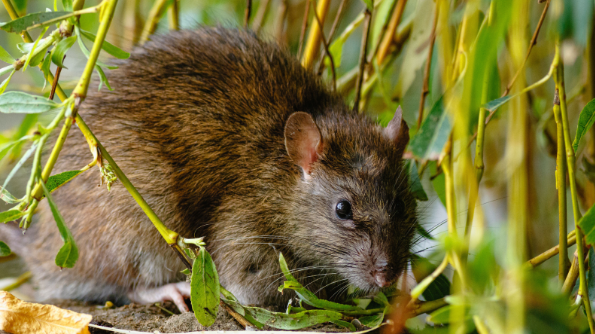
Finding rat droppings behind kitchen cabinets, hearing scratching sounds above a false ceiling or spotting a rat near your rubbish area can be unsettling. In Singapore’s densely populated residential and commercial developments, these warning signs may indicate activity extending beyond the area where the rodent was first discovered.
Rats can travel through service openings, drainage areas, shared refuse facilities and concealed building spaces. Removing one visible rat does not necessarily solve the problem if food sources, nesting areas and entry routes remain accessible.
Effective rodent control in Singapore combines inspection, trapping or baiting, sanitation, structural proofing and follow-up monitoring. The objective is to reduce active rodent populations while addressing the conditions that allow them to return.
Aardwolf Pestkare provides rodent management services for residential, commercial and industrial properties in Singapore. Its approach includes inspection, eradication, monitoring and reporting, supported by wireless camera monitoring where appropriate.
This guide explains how to recognise rodent activity, what to do immediately after a sighting, how professional treatments work, what rodent control may cost and how to prevent recurring infestations.
Why Is Rodent Control Important in Singapore?

Singapore’s urban environment provides numerous opportunities for rats to find food, water and shelter.
HDB estates, condominiums, restaurants, shopping centres, warehouses and industrial premises often contain shared infrastructure that rodents can use to move between locations.
Overflowing refuse bins, exposed food waste, damaged drainage covers, cluttered storerooms and openings around service pipes can create favourable conditions for infestation.
Rats also reproduce quickly when food and shelter are consistently available.
What Health and Property Risks Do Rats Cause?
Rodents can contaminate food, water and surfaces through urine, droppings and contact with contaminated materials.
According to Singapore’s National Environment Agency (NEA), rats can carry pathogens associated with diseases including leptospirosis, murine typhus and hantavirus infection.
Their gnawing behaviour can also damage packaging, insulation, timber and electrical wiring.
Damaged wiring may present an additional fire or electrical hazard, requiring assessment by a qualified electrician.
For food businesses, rodent activity may lead to contaminated stock, hygiene concerns, operational disruptions and potential enforcement action.
NEA emphasises that sustainable rodent management depends on appropriate waste handling, housekeeping and correcting structural defects alongside direct treatment.
This is why eliminating individual rats without addressing the surrounding conditions may provide only temporary relief.
What Are the Early Signs of a Rat Infestation?
The most recognisable signs of rodent activity include droppings, gnaw marks, scratching noises, greasy rub marks, burrows and repeated sightings.
However, one isolated sign does not establish how many rodents are present.
The location, frequency and combination of evidence provide a clearer picture of whether an infestation may be developing.
Rat Droppings Near Kitchens and Storerooms
Rodent droppings are commonly discovered behind appliances, beneath cabinets, along storeroom walls and near refuse areas.
Repeatedly finding new droppings in the same location may indicate an established travel route.
Their appearance can sometimes help technicians distinguish between rats and mice, although identification should not rely on droppings alone.
Avoid handling droppings directly. Photograph the affected area and record whether fresh evidence continues to appear.
Gnaw Marks and Damaged Food Packaging
Rodents regularly gnaw on materials such as plastic, cardboard, wood and electrical cables.
Torn packaging, rough-edged holes and damaged storage containers may indicate activity near food supplies.
In warehouses and commercial premises, repeated damage may also affect inventory and storage equipment.
If wiring appears damaged, avoid operating the affected equipment until a qualified electrician has inspected it.
Scratching Sounds Above Ceilings
Scratching or scurrying sounds behind walls, above false ceilings or beneath flooring may indicate concealed rodent movement.
Roof rats are particularly capable climbers and may use overhead pipes, structural supports and service openings.
However, sounds alone do not confirm a rat infestation.
An inspection should consider additional evidence, including droppings, gnaw marks and possible entry routes.
Greasy Marks, Burrows and Repeated Sightings
Rats often follow familiar pathways along walls, pipes and building edges.
Repeated contact may leave dark rub marks on these surfaces.
Ground-dwelling rats may also create burrows near landscaped areas, drains, rubbish facilities and building foundations.
Repeated sightings in the same area, particularly alongside fresh droppings or disturbed soil, suggest that further investigation is warranted.
What Should You Do Immediately After Seeing a Rat?
If you see a rat inside your home or workplace, avoid chasing, cornering or attempting to handle it.
Keep children and pets away from the affected area. Secure exposed food, close rubbish bins and remove accessible food scraps.
Where safe, record the location, approximate time and direction in which the rodent travelled.
Photographs of droppings, damaged packaging or suspected entry openings can help a technician investigate the problem.
For businesses, isolate food or products suspected of contamination and follow appropriate disposal procedures.
In condominiums or other managed developments, notify building management if activity appears connected to shared refuse rooms, service risers or common areas.
One rat sighting does not necessarily confirm an established infestation. However, repeated sightings, fresh droppings or activity in several locations justify professional assessment.
How Should Rat Droppings Be Cleaned Safely?
Avoid dry sweeping or vacuuming rodent droppings, urine and nesting material, as these activities can disperse contaminated particles.
For small, accessible areas, ventilate the space where practical and wear suitable protective gloves.
Thoroughly wet the contaminated material with an appropriate disinfectant and allow the required contact time before carefully removing it with disposable cleaning materials.
Wash your hands afterwards and avoid mixing different cleaning chemicals.
Extensive contamination, inaccessible ceiling spaces or widespread nesting may require professional cleaning.
If you become unwell following possible exposure, seek medical advice.
Which Rat Species Are Common in Singapore?
The three commonly identified urban rodent species in Singapore are Norway rats, roof rats and house mice.
Their behaviour influences where they are likely to nest and which areas should be inspected.
Norway Rats
Norway rats are relatively heavy-bodied rodents commonly associated with ground-level activity.
They may occupy burrows, landscaped areas, drainage surroundings, refuse facilities and lower building spaces.
For landed houses and commercial compounds, inspections may focus on outdoor access routes, foundations and locations linking refuse areas to indoor shelter.
Roof Rats
Roof rats are agile climbers capable of moving along pipes, ledges and structural supports.
They are commonly associated with elevated areas such as false ceilings, roof spaces and overhead service routes.
Scratching sounds above a ceiling may therefore require inspection beyond floor-level cupboards or kitchens.
House Mice
House mice are smaller and can enter through narrow openings.
They may nest behind cabinets, around appliances, in pantries and inside cluttered storerooms.
Because mouse activity can be mistaken for that of young rats, a proper inspection considers multiple signs before selecting treatment.
How Does Professional Rodent Control Work?
Professional rodent management begins by identifying the animals’ likely travel routes, nesting locations and access to food and water.
The treatment programme may combine trapping, targeted baiting, building repairs, sanitation recommendations and monitoring.
Aardwolf Pestkare’s rodent management services include inspection, eradication, monitoring and reporting.
Inspection and Activity Assessment
Technicians may examine droppings, gnaw marks, rub marks, burrows, damaged materials and potential entry points.
The inspection can include kitchens, bin rooms, false ceilings, loading bays, storerooms and accessible building perimeters.
For example, recurring activity near a kitchen may originate from a damaged refuse-room door or an opening around service pipes.
Identifying the route helps determine where treatment and structural repairs should be directed.
The inspection should also explain areas that could not be fully assessed and whether further investigation is needed.
Trapping and Targeted Baiting
Traps can reduce active rodent populations when positioned along identified travel routes.
Where appropriate, trained personnel may also use rodenticides in suitable, secured bait stations.
The selection depends on the species, location, infestation conditions and potential risks to occupants and other animals.
Treatment devices require appropriate placement and monitoring.
Capturing one rat does not confirm that the infestation has ended, especially if concealed activity or untreated entry routes remain.
Rodent Proofing and Structural Repairs
Rodent proofing involves identifying and correcting openings that allow rats or mice to enter buildings.
Common problem areas include gaps beneath doors, damaged ventilation grilles, openings around pipes and holes in walls or ceilings.
Appropriate repairs can help reduce the likelihood of further entry.
However, proofing should be coordinated with treatment so rodents already inside concealed spaces are not overlooked.
In managed buildings, repairs affecting shared infrastructure may require coordination with the relevant property management team.
Follow-Up Monitoring and Reporting
Follow-up visits help establish whether rodent activity has declined and whether additional action is necessary.
Technicians may assess fresh droppings, new damage, trap catches and previously identified access routes.
Monitoring also helps determine whether recommended structural repairs and sanitation improvements have been completed.
For commercial premises, written reports provide useful records of inspection findings, treatment activities and outstanding maintenance requirements.
How Does Aardwolf Pestkare’s Wireless Camera Monitoring Work?

Aardwolf Pestkare offers wireless mini-video camera monitoring as part of its rodent management capabilities.
According to its published service information, the system can record activity when a rat enters a monitored location and send an alert to the technician.
This may provide additional information about rodent movement, particularly when activity occurs at night or in concealed areas.
Camera monitoring can help technicians investigate which routes rodents use, identify repeated activity and review locations that are difficult to observe during ordinary inspection visits.
For example, movement recorded near a storage-room entrance may help determine whether further investigation of nearby access points is necessary.
The footage can also support follow-up assessments after treatment.
However, cameras do not eliminate rodents by themselves.
They are supporting surveillance tools used alongside appropriate trapping, baiting, sanitation and building repairs.
For persistent infestations, this additional information may help clarify whether the problem is continuing or has shifted to another location.
How Is Rodent Control Different in HDB Flats and Condominiums?
Rodent activity in high-density residential buildings may involve shared infrastructure rather than a single household.
Refuse facilities, service risers, drainage areas and common ceilings can connect several locations.
Rodent Control in HDB Estates
In HDB estates, rats may be found around refuse chutes, bin centres, landscaped areas and common service spaces.
Where sightings occur in shared areas, the relevant estate management party may need to investigate refuse handling, structural defects and potential harbourage.
Residents should maintain proper food storage and housekeeping inside their flats while reporting suspected common-area problems.
If activity occurs repeatedly within a unit, an inspection can help assess whether the entry route is connected to the wider building.
Rodent Control in Condominiums
Condominiums may experience rodent activity in basement areas, shared bin rooms, landscaped spaces, false ceilings and service openings.
When several residents report similar problems, coordinated inspection may be necessary.
The managing agent or Management Corporation Strata Title (MCST) may need to arrange access to affected common areas and coordinate appropriate repairs.
Treating one apartment without investigating recurring activity in shared facilities may leave the underlying access route unresolved.
Why Is Rodent Control Important for Restaurants and Warehouses?
Commercial properties may face additional rodent exposure because of frequent deliveries, stored goods, food handling and waste disposal.
Restaurants, food courts, warehouses and industrial premises often contain multiple areas requiring inspection.
Restaurants and Food Establishments
Rodents in food premises can contaminate ingredients, packaging and food preparation surfaces.
Potential problem areas include dry-food storage rooms, cooking equipment, floor traps, refuse rooms and delivery entrances.
Good hygiene practices are important, but a clean dining area does not guarantee that concealed service spaces are free from rodents.
A sustained programme should examine the relevant food sources, travel routes and structural openings.
Where infestation is detected, NEA advises premises owners to engage a licensed Vector Control Operator for appropriate surveillance and treatment.
Warehouses and Industrial Premises
Warehouses may have extensive storage areas and large loading entrances that create opportunities for concealed rodent movement.
Locations requiring attention may include pallet storage areas, loading bays, electrical service rooms and external refuse facilities.
For businesses operating in Jurong, Tuas, Woodlands and Ubi, treatment planning should consider operational access, inventory protection and maintenance responsibilities.
Monitoring reports can help property managers distinguish completed pest-control work from repairs or housekeeping actions that remain outstanding.
How Much Does Rodent Control Cost in Singapore?
Rodent control costs depend on the property type, infestation severity, treatment scope and number of visits required.
Aardwolf Pestkare’s published 2026 pricing guidance provides approximate starting points for residential programmes.
A structured four-week HDB rodent-control programme is listed at approximately S$450, typically involving four weekly visits with trapping, baiting and monitoring.
For landed houses, rodent-control work begins at approximately S$500 or more, depending on the property and treatment requirements.
Commercial programmes are generally quoted according to the specific premises and scope.
These figures are indicative planning estimates rather than fixed quotations or guaranteed prices.
Why Do Prices Vary Between Properties?
A small HDB flat with limited accessible activity may require fewer monitoring locations than a warehouse with multiple loading bays and storage zones.
The cost may also depend on inspection requirements, trap placement, bait stations, follow-up frequency and whether additional surveillance is suitable.
Structural proofing, repairs and specialised cleaning may involve separate charges.
Before accepting a quotation, ask whether the proposed price includes the initial assessment, treatment visits, monitoring, reporting and any recommended corrective work.
For additional pricing information, refer to Aardwolf Pestkare’s 2026 rodent-control cost guide.
How Long Does Rodent Control Take?
There is no fixed treatment duration suitable for every rodent infestation.
Some rodents may be captured shortly after treatment begins, while established or recurring activity may require continued monitoring.
The timeframe depends on factors such as nesting locations, food availability, access routes and whether building defects have been corrected.
A four-week programme may provide a structured period for repeated visits and assessment, but it does not guarantee that every infestation will be eliminated within four weeks.
The technician should explain the proposed schedule, how activity will be measured and what happens if signs remain.
Successful rodent management should be evaluated through sustained reductions in activity, not simply the number of traps serviced.
How Can You Prevent Rats from Returning?
Long-term rodent prevention focuses on reducing access to food, water and shelter while maintaining building conditions that discourage entry.
Maintain Proper Food Storage and Waste Disposal
Store ingredients, dry goods and pet food in secure containers.
Clean food spills promptly and avoid leaving exposed food waste overnight.
Keep refuse bins covered and arrange regular waste removal.
Damaged lids, overflowing bins and poorly maintained refuse facilities should be addressed promptly.
In commercial kitchens, pay particular attention to difficult-to-clean spaces beneath refrigerators, cooking equipment and storage shelves.
Reduce Clutter and Potential Nesting Areas
Unused furniture, cardboard cartons and poorly organised storerooms can provide shelter for rodents.
Regular housekeeping improves visibility and reduces potential harbourage.
Repair water leaks where practical and prevent unnecessary accumulation of standing water.
Outdoor vegetation and stored materials should also be maintained so they do not provide dense shelter immediately beside building openings.
Inspect Structural Openings
Check accessible door gaps, damaged grilles, floor traps and openings around service pipes.
Arrange suitable repairs using materials appropriate to the location.
For shared buildings, report defects to the managing agent or relevant maintenance party rather than modifying common infrastructure independently.
Continue Monitoring After Treatment
Keep records of new sightings, fresh droppings and damage.
Review previously affected locations and confirm whether recommended repairs have been completed.
If activity returns, another inspection may be necessary to identify new entry routes rather than repeatedly placing devices in the original location.
NEA’s rat prevention guidance for premises owners also emphasises housekeeping, waste management and building maintenance as essential preventive measures.
When Should You Engage Professional Rodent Control?
Professional assistance is advisable when rodent sightings recur, activity is suspected in inaccessible spaces or evidence continues despite basic housekeeping improvements.
Other reasons include contaminated food, repeated gnaw damage, suspected electrical hazards and signs of infestation affecting multiple areas.
Commercial premises should seek prompt attention where food hygiene, stored goods or workplace safety may be affected.
In Singapore, rat-control services must be provided by an appropriately licensed Vector Control Operator under the applicable NEA requirements.
A suitable provider should explain the proposed inspection, treatment methods, follow-up arrangements and responsibilities for corrective maintenance.
The objective should be to address the infestation and the conditions that support it rather than simply remove the next visible rat.
Rodent Inspection and Treatment With Aardwolf Pestkare
Established in Singapore in 1997, Aardwolf Pestkare provides rodent management services for residential, commercial and industrial properties.
Its service approach includes inspection, eradication, monitoring and reporting.
Depending on the assessment, rodent management may involve trapping, targeted baiting, entry-point investigation and continued surveillance.
Aardwolf’s wireless mini-video camera monitoring can provide additional information about concealed or after-hours rodent activity, supporting investigation and follow-up.
The appropriate treatment depends on the species involved, activity identified and accessibility of affected areas.
To learn more, visit Aardwolf Pestkare’s rodent control services or contact the team to discuss your property’s situation.
Frequently Asked Questions About Rodent Control in Singapore
Does Seeing One Rat Mean There Is an Infestation?
Not necessarily. A single sighting does not establish how many rats are present. However, repeated sightings, fresh droppings, gnaw marks or recurring scratching noises may indicate ongoing activity. A professional inspection can help assess whether an established infestation exists and identify potential entry routes.
Is Rodent Control Safe Around Children and Pets?
Rodent control can be planned with appropriate safeguards, but precautions depend on the treatment devices, products and property conditions. Inform the technician about children, pets and food-handling areas before treatment. Ask where traps or bait stations will be placed, which areas require restricted access and how devices will be monitored.
Can Rats Return After Professional Treatment?
Yes. Rodents may return when accessible food, shelter or structural entry points remain. Long-term prevention requires suitable treatment alongside good housekeeping, refuse management, building maintenance and monitoring. New signs of activity should be investigated rather than assuming previous treatment will prevent every future infestation.
Where Can I Report Rat Sightings in Singapore?
For rodent activity inside private premises, inform the property owner or managing agent responsible for the location. For sightings in public neighbourhood areas, NEA advises residents to use the OneService app. Include the location, time, photographs and direction of rodent movement where possible.
Conclusion: Lasting Rodent Control Starts With the Source
Rodent control in Singapore requires more than trapping visible rats.
Droppings, gnaw marks, scratching sounds and repeated sightings can indicate activity that may extend through concealed building spaces and shared facilities.
Professional inspection helps identify where rodents travel, which treatment methods are suitable and what repairs or sanitation improvements may be necessary.
Trapping and baiting can reduce active rodent populations, while proper food storage, refuse management, structural proofing and monitoring help reduce opportunities for reinfestation.
Aardwolf Pestkare provides rodent management services for homes and businesses throughout Singapore, supported by inspection, treatment, reporting and monitoring capabilities.
If you suspect ongoing rodent activity, contact Aardwolf Pestkare to discuss an assessment and appropriate control measures.
Addressing the causes of rodent activity early can help protect property, hygiene and everyday operations while reducing the likelihood of recurring infestations.