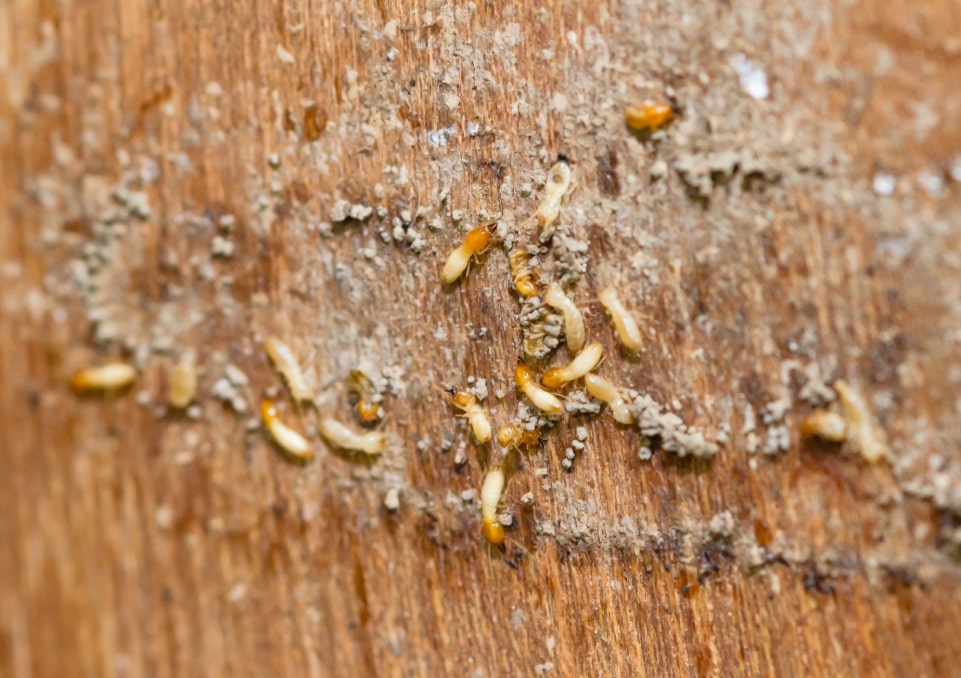
Termite pest control in Singapore works best when treatment targets the whole colony, matches the termite type, and follows NEA-certified methods. For subterranean termites, baiting systems and soil treatment around the building are usually the most reliable long-term options. For drywood termites, fumigation and dusting inside timber are often needed because they live entirely inside the wood.
Termite control costs in Singapore usually range from a few hundred dollars for small spot jobs to several thousand for full building protection. The price depends on:
- Property size and layout
- Level of infestation
- Termite species
- Treatment method and follow-up schedule
Prevention starts with regular inspections, fixing leaks, keeping wood off soil, sealing gaps, and adding preventive soil treatment during renovations or new builds.
Singapore property owners search phrases like “pest control singapore termites“ because they face a year-round risk in this hot and humid city. According to the National Pest Management Association, termites cause over 5 billion U.S. dollars in property damage every year in the United States alone.
The National Pest Management Association estimates that termites cause more than US$5 billion in property damage annually.
Termite control companies gain trust when they educate owners about warning signs, treatment options, costs, and prevention. This guide walks through those points so you can make clear decisions and avoid expensive surprises.
Key Takeaways
These key points from this termite guide help you act early, choose the right professional support, and avoid repairs that hurt your budget. Read them before you decide whether you can wait a few months or need to call a specialist now. They also explain why property owners should understand treatment options before choosing a termite control provider.
- Singapore’s climate keeps termites active all year. Termite colonies do not slow down for seasons here. That means property owners cannot rely on cooler months to give them a break. Regular checks and termite pest control in Singapore remain important even when damage is not obvious.
- Three main termite types appear in Singapore, and each one needs different handling.
- Subterranean termites respond well to baiting systems and soil treatment.
- Drywood termites often need fumigation or targeted dusting.
- Dampwood termites point to moisture problems that need repair even if they are less destructive in city buildings.
- Early warning signs appear long before structural failure. Mud tubes, frass, hollow-sounding wood, and discarded wings can show up months before a beam fails. Spotting these during a quick routine walk-through lets you call a pest specialist before repair bills explode.
- DIY sprays rarely fix the problem. Supermarket sprays nearly always miss the hidden colony and can scatter termites deeper into walls. Once disturbed, colonies can move and create new entry points that are harder to find later. This is why professionals advise owners to avoid spraying and to request an inspection first.
- Professional termite pest control in Singapore should always use NEA-certified technicians. Licensed providers follow standards set by the National Environment Agency and usually offer follow-up visits. That mix gives you better safety, clearer reporting, and a much higher chance of full colony removal.
“The earlier you find termites, the less you spend fixing what they’ve eaten” is a common rule of thumb among Singapore pest technicians.
What Makes Termites Such a Costly Threat to Singapore Properties?
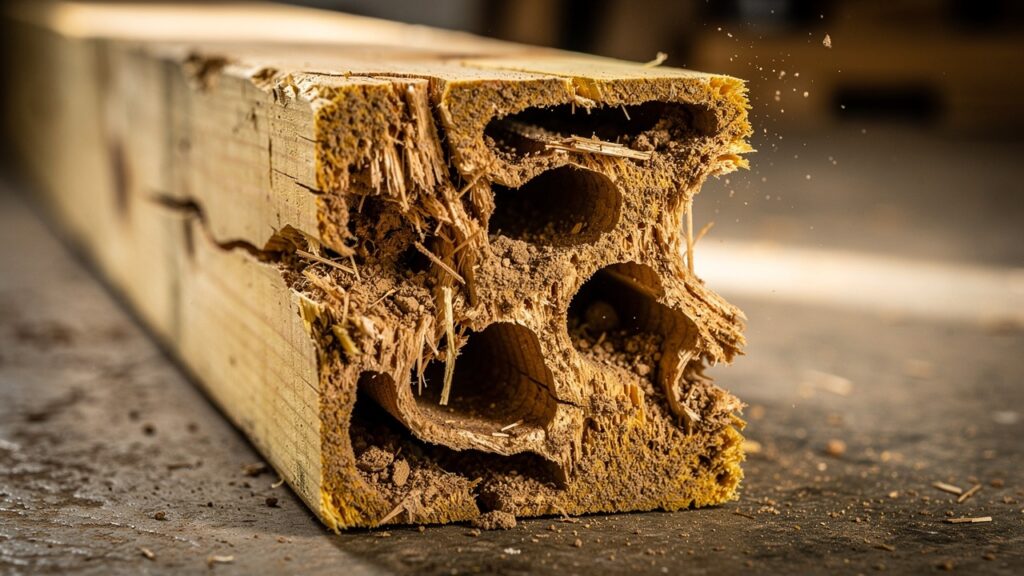
Termites are a costly threat to Singapore properties because the tropical climate keeps them active all year and damage stays hidden for a long time. These insects quietly eat timber, built-in cabinets, skirting boards, and even paper-backed materials from the inside. By the time you notice swelling paint or sagging floors, expensive repairs may already be needed.
Singapore sits near the equator, and temperatures usually stay between 25 and 31 degrees with high humidity, with research on Assessing the invasive risk of Rhinotermitidae highlighting how warming conditions expand termite ranges into dense urban environments. According to the Meteorological Service Singapore, average relative humidity often stays above 80 percent. Those conditions let subterranean species such as Coptotermes thrive under HDB blocks, BTO projects, landed houses, and commercial units.
The real problem is how termites feed. Workers travel from their nest through mud tubes or hidden gaps, then hollow wood from the inside while leaving a thin surface layer a pattern documented in studies on Analysis of Termite Infestation routes in urban buildings, which show how colonies exploit structural gaps in dense city environments. Research shared by the United States Environmental Protection Agency notes that damage is often advanced before owners spot any signs. For a business, that can mean closed offices, unsafe racking in a warehouse, or damaged inventory that cannot be sold.
For SME owners, unexpected structural works can strain cash flow far more than an early inspection program. A small restaurant in Tiong Bahru, for example, could lose income during repairs and still need to pass NEA hygiene checks. That is why many commercial landlords now build termite checks into routine facility maintenance, just like air conditioning servicing and fire safety checks.
How to Identify a Termite Infestation: Warning Signs Every Property Owner Should Know
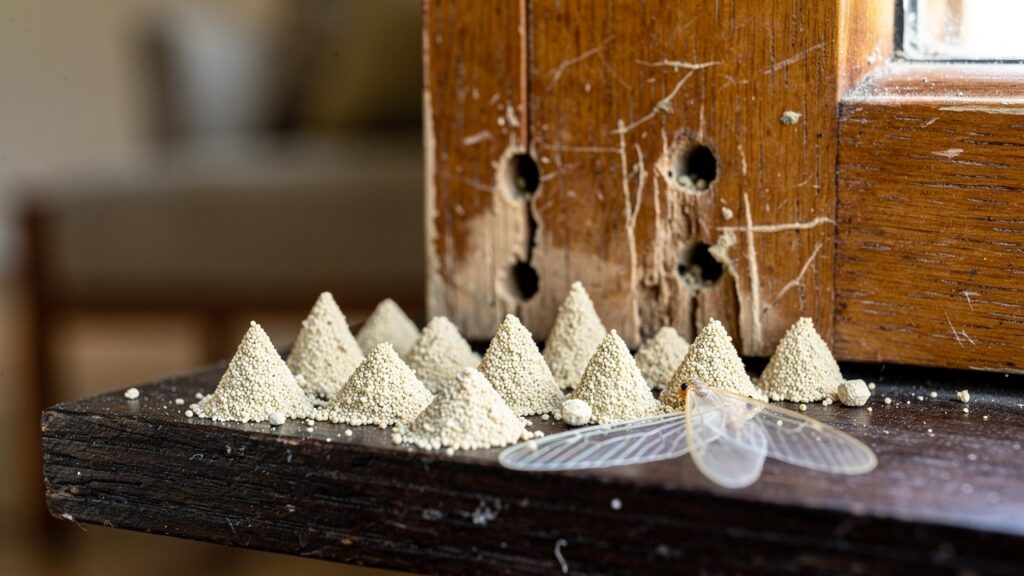
Identifying a termite infestation in Singapore means looking for a handful of clear warning signs across walls, floors, and built-in furniture. Termite colonies prefer to stay hidden, so you rarely see live insects until the problem is advanced. Learning these visual and audio cues helps you decide when to call a termite pest control company in Singapore.
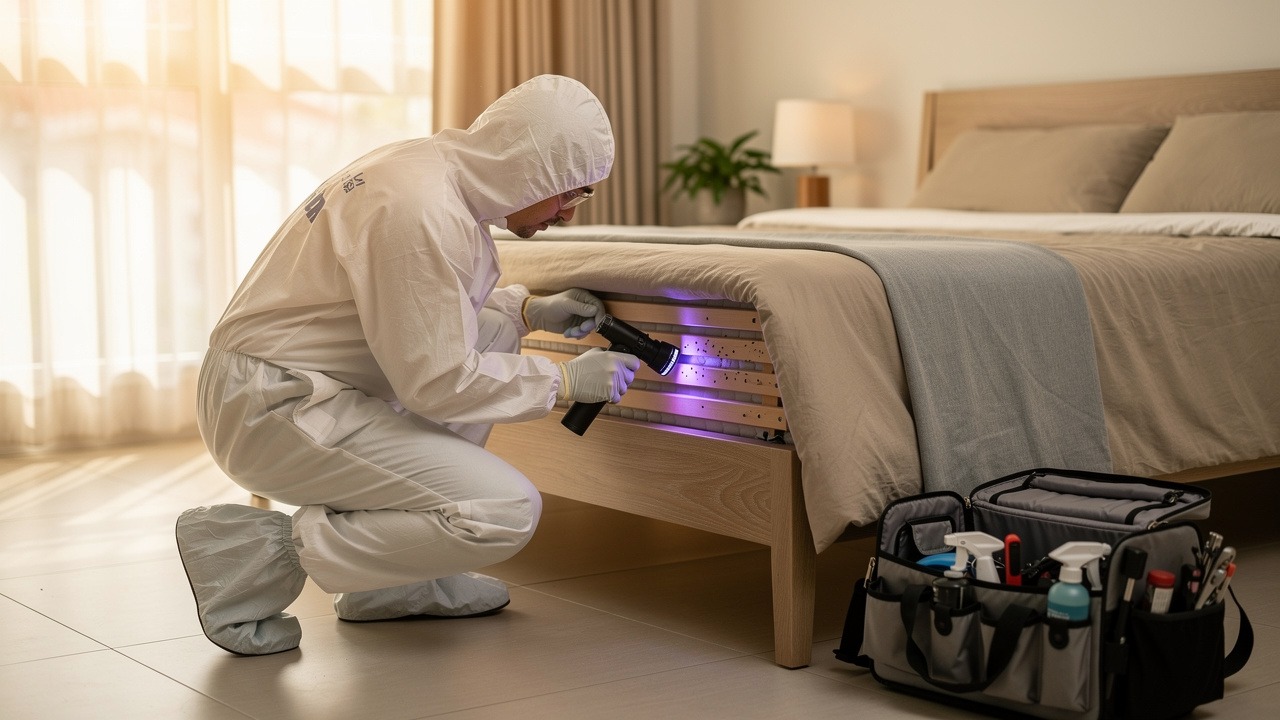
According to inspection guides used by firms such as Aardwolf Pestkare, property owners should run simple checks every three to six months. Focus on skirting boards, door frames, built-in cabinets, and any area where wood touches the ground. Use a small torch and pay attention to sound as well as sight.
Here are the most common signs and what they often mean:
| Warning Sign | What It Often Means |
| Mud tubes along walls, beams, or foundations | Subterranean termites moving between soil and food sources, usually near the base of the structure. |
| Hollow-sounding or papery wood when tapped | Internal galleries created by termites that left only a thin external surface. |
| Small sand-like droppings known as frass | Drywood termites nesting inside furniture or frames and pushing waste out through small holes. |
| Piles of discarded wings near windows or lights | Swarmers (alates) have shed wings while starting a new colony indoors or nearby. |
| Blistered or bubbling paint with no clear leak | Termites tunneling just under the painted surface and trapping moisture. |
| Doors and windows that suddenly warp or stick | Moisture from activity inside the frame causing timber to swell. |
| Faint clicking sounds inside walls or beams | Soldier termites tapping their heads to warn the colony of danger. |
If you notice one or more of these, resist the urge to reach for a spray can. Spraying visible termites can cause the colony to split and shift deeper into walls or adjacent units. That makes later professional termite pest control in Singapore more complex and often more costly.
A simple three-step response works well:
- Take clear photos or short videos.
- Note where and when you saw the signs.
- Contact an NEA-certified pest company for an assessment.
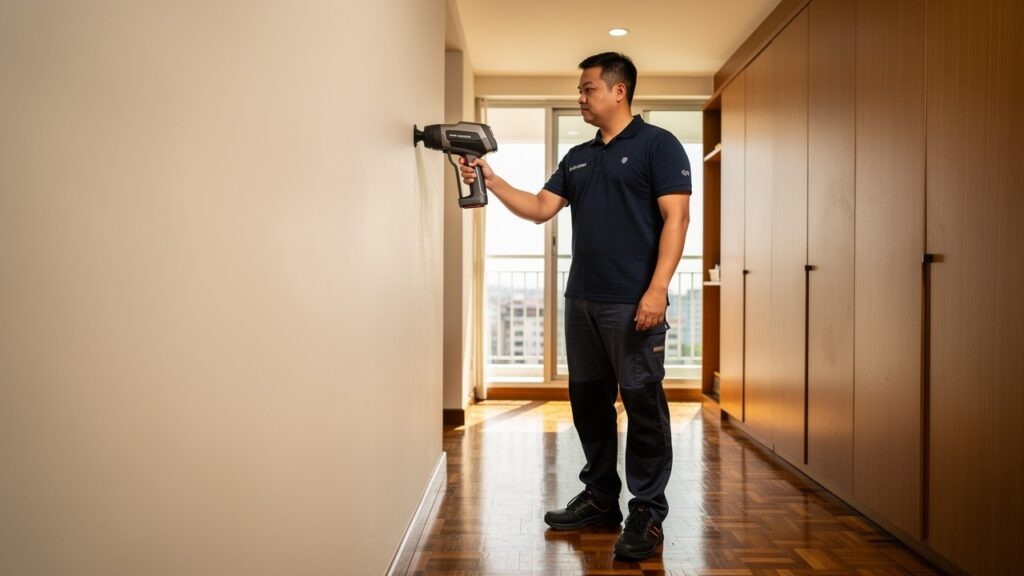
Many firms bring tools such as thermal imaging cameras or moisture meters to confirm activity that your eyes cannot see. That quick call often decides whether you pay for targeted treatment or large-scale carpentry later.
What Are the Most Effective Professional Termite Treatment Methods in Singapore?
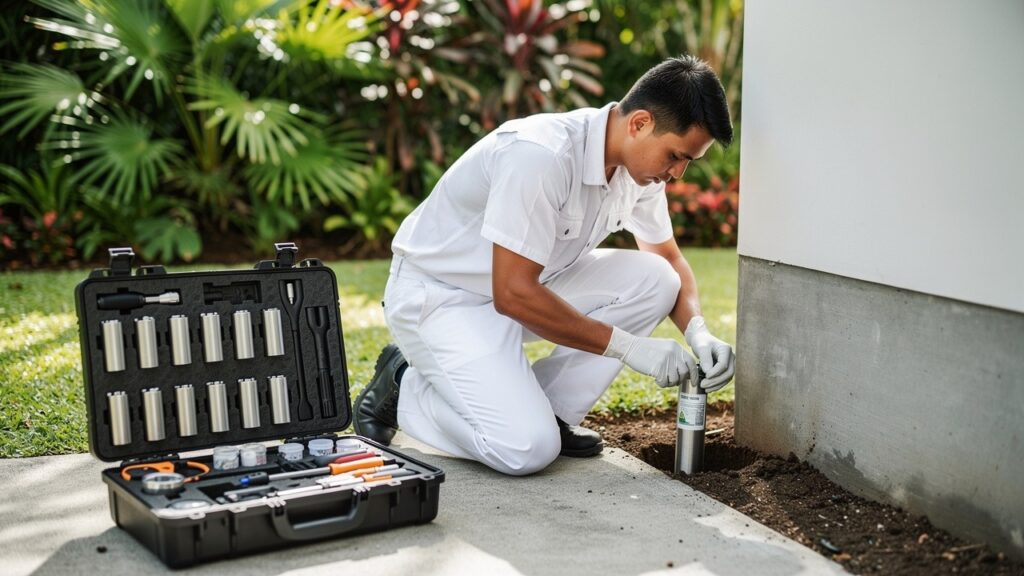
The most effective professional termite treatments in Singapore focus on wiping out the colony, not just killing the insects you can see. Licensed companies combine inspection tools with baiting, soil treatment, fumigation, and spot chemicals to match each building and termite type. The aim is simple: remove the queen and break the colony cycle for good.
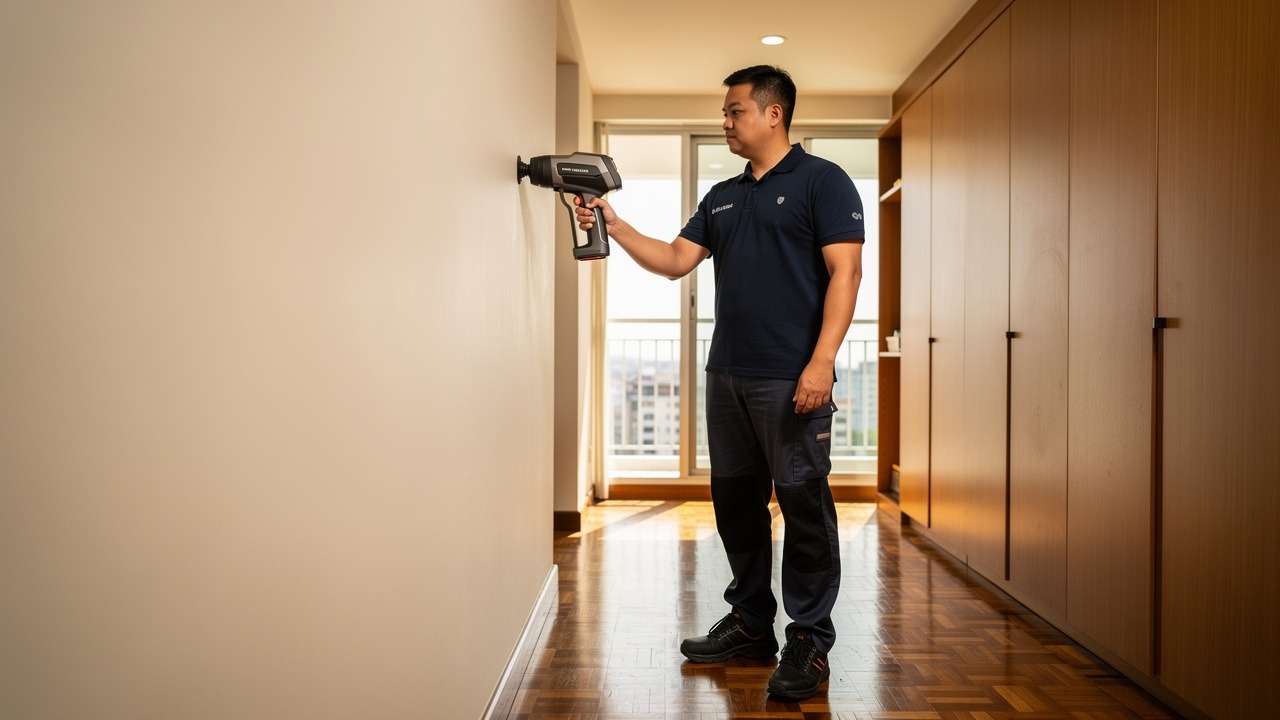
A proper termite program always starts with inspection. NEA-certified technicians from providers like Aardwolf Pestkare often use thermal imaging cameras to scan walls, ceilings, and floors. These devices detect temperature differences that hint at hidden mud tubes or nesting zones.
For subterranean termites, baiting systems are one of the main options. Technicians place stations from brands such as Sentricon or Exterra in the soil or directly on active mud tubes. Termites feed on the bait, then share it through grooming and feeding, so the toxicant slowly spreads until the queen and workers die — a mechanism supported by A study on area-wide management of subterranean termites through baiting strategies in tropical regions.
Soil treatment is another strong choice for many landed homes and ground-floor shops. The team drills small holes around the foundation and injects liquid termiticide to form a treated zone in the soil. When applied correctly, this barrier can last up to five years, according to field data shared by several Singapore pest firms and product makers like BASF.
Drywood termites need different handling. Because they stay inside timber, technicians may fumigate entire rooms or structures using gas that penetrates deep into wood. In more targeted cases, dusting or foam treatments placed directly into galleries can work with less disruption to residents or tenants.
Spot treatments help when the infestation is very early or isolated. For example, a single built-in cabinet in a CBD office might be treated while the rest of the workspace stays untouched. This approach works best when combined with monitoring so new activity is caught quickly.
Across these methods, follow-up matters as much as the first visit. According to case studies shared at the FAOPMA Pest Summit, full colony removal often takes four to twelve weeks. Most termite pest control providers in Singapore schedule checks every seven to fourteen days to refill baits, rescan hot spots, and confirm that activity is dropping.
Tip: Ask your provider to show you before-and-after activity levels at each follow-up visit so you can track real progress.
Choosing the Right Treatment for Your Termite Type
Choosing the right termite treatment in Singapore means matching the method to the species and the building style.
- Subterranean termites live in soil and move through mud tubes. They respond well to baiting systems around the perimeter, often backed by soil treatment near foundations. This mix both removes existing colonies and helps block fresh entry from nearby ground.
- Drywood termites prefer dry timber in furniture, door frames, and roof structures. Because they do not travel back to soil, bait stations will not reach them. Fumigation, dusting, or foam injected directly into galleries is usually the main option here, especially in older shophouses and landed properties with exposed beams.
- Dampwood termites usually appear in wet garden timber, tree stumps, or leaks around service yards. Removing and replacing soaked wood, fixing plumbing, and applying local treatments often deals with them without full-house programs.
For all three types, accurate species identification by an NEA-certified technician is non‑negotiable before serious work begins.
Time frame is another factor. Baiting systems for subterranean termites can take several months to remove a large colony, especially under big buildings. Corrective soil treatment and spot chemical work may give faster relief but still need weeks of monitoring. A good termite pest control company in Singapore will explain this clearly so you know what to expect.
How Much Does Termite Pest Control Cost in Singapore?
Termite pest control costs in Singapore vary widely because every property and infestation is different. Prices depend on termite type, property size, construction style, and whether you need corrective work, preventive work, or both. No honest company can give a firm quote for “pest control singapore termites“ without inspecting the site.
Key cost factors usually include:
- Termite species and severity of activity
- Number of affected rooms or units
- Need for drilling, hacking, or fumigation
- Frequency and length of follow-up visits
- Any monitoring or maintenance plan
Repair costs from ignoring termites can be much higher than treatment. The National Pest Management Association reports that many homeowners worldwide spend around 3,000 U.S. dollars on repairs after termite damage. In land-scarce cities like Singapore, structural work to beams, built-ins, or flooring can climb even faster.
Most NEA-certified providers schedule an on-site inspection before giving a proposal. During that visit they check for species, map out affected areas with tools like thermal imaging, and review building plans if needed. After that, they recommend one or more approaches such as baiting, soil treatment, or fumigation.
Here is a simple comparison to help you think about cost levels:
| Treatment Type | Typical Cost Band | Notes |
| Spot treatment on small areas | Usually lowest per visit | Suits early or very localised infestations, still needs follow-up checks. |
| Subterranean baiting program | Moderate ongoing package | Involves multiple visits over months, aimed at full colony removal and monitoring. |
| Corrective soil treatment | Medium to higher one-time spend | Often paired with baiting for landed homes and ground-floor shops. |
| Whole-structure fumigation | Higher project cost | Common for serious drywood cases in furniture warehouses or older properties. |
When you compare quotes, look beyond just price. Check NEA licensing, treatment methods, follow-up schedule, and any warranty terms. Cheap, one-off spray jobs often leave colonies alive, which means you risk paying for both new treatment and major repairs later.
How to Prevent Termite Infestations in Your Singapore Property
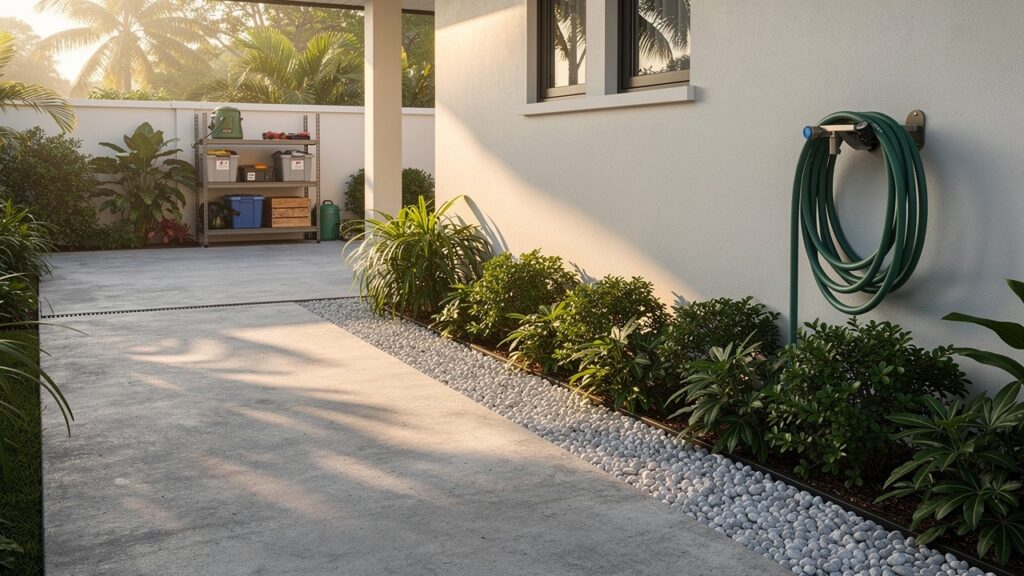
Preventing termite infestations in Singapore focuses on removing moisture, food sources, and easy entry paths. The aim is to make your property far less attractive before a colony ever arrives. That way, when someone nearby searches “pest control singapore termites”, it is less likely to be you in a panic.
Prevention works best when it combines regular professional help with simple daily habits. NEA-certified companies can add soil treatment or monitoring during renovations, while you handle leaks, clutter, and storage habits. According to guidance from the National Environment Agency, integrated pest management works better than relying on chemicals alone.
Here are practical steps you can start now:
- Schedule professional inspections every six to twelve months, especially if you manage multiple units. Regular checks by a termite pest control specialist in Singapore catch activity long before serious damage happens. This is especially important for lower floors, landed homes, and F&B outlets with plenty of moisture and food waste.
- Fix all plumbing leaks and improve drainage around the building as soon as they appear. Subterranean and dampwood termites look for wet soil, ponding water, and constantly damp timber. By keeping areas dry, you remove the comfort zone that would encourage a new colony to settle in.
- Store timber, cardboard, and other cellulose-based items away from walls and foundations. When you stack wood or packing materials directly against concrete, you give termites a hidden highway into the structure. Simple changes in storage layout can cut off many easy access points.
- Remove dead trees, stumps, and rotting timber from gardens and service yards. These items act as feeder stations where termite colonies can grow before they spread into your building. Working with landscape contractors to clear them during routine maintenance is a smart habit.
- Seal cracks in concrete, expansion joints, and gaps around service pipes where possible. Even small openings can become termite entry points, especially near toilets, kitchens, and planter boxes. Using the right sealants during renovations pays off by limiting these hidden routes.
- During new builds or major renovations, invest in preventive soil treatment and treated timber where recommended — a practice aligned with A study on area-wide management of subterranean termites through baiting strategies, which confirms that area-wide preventive approaches outperform reactive spot treatments in tropical settings. Builders can work with termite control specialists to treat soil before pouring slabs or to add reticulation systems. That early planning costs less than correcting a long-running infestation later.
As many facility managers put it, “Termite prevention is just another form of insurance for the building.”
For property owners, searching terms like ‘termite treatment Singapore’ or ‘pest control singapore termites’ can help surface providers, but it is still important to compare licensing, inspection quality, treatment plans, and follow-up terms. Clear service pages, transparent pricing guidance, genuine reviews, and easy inspection booking can help property owners choose confidently. Our StoryBrand-based copywriting and data-driven campaigns focus on clear return on ad spend, not vague traffic numbers.
Wrapping It Up: Act Before Termites Make the Decision for You
Termites in Singapore stay active all year, and they rarely give clear early warnings before chewing through beams or built-in cabinets. Early detection, professional treatment, and steady prevention are the three pillars that protect your property and your cash flow. Waiting until wood fails or tiles buckle often means paying for both pest control and major repairs.
The key message is simple. Learn the warning signs, avoid DIY sprays, and call an NEA-certified termite specialist as soon as you suspect activity. Expect a structured process that may run four to twelve weeks, with follow-up visits and a mix of baiting, soil treatment, fumigation, or spot work.
If you are comparing termite control providers, look for NEA certification, proper inspection tools, clear treatment explanations, written follow-up schedules, and transparent warranty terms. A reliable provider should help you understand whether baiting, soil treatment, fumigation, or spot treatment is suitable for your property before any work begins.
Frequently Asked Questions
Frequently Asked Questions
Question 1: How long does professional termite treatment take in Singapore?
Professional termite treatment in Singapore usually takes between four and twelve weeks from start to confirmed colony removal. During this period, NEA-certified technicians return every seven to fourteen days to refill bait stations, re‑inspect hot spots, and adjust methods if needed.
Question 2: Can termites cause structural damage to HDB flats and BTO units?
Yes. Subterranean termites can damage HDB flats and BTO units by entering through foundation cracks, floor joints, and service duct gaps. They often attack built-in cabinets, wooden door frames, and parquet flooring. Early inspection by a termite pest control specialist in Singapore helps protect both safety and renovation investments.
Question 3: What is the difference between a baiting system and soil treatment for termites?
Baiting systems use stations filled with slow-acting toxicant that worker termites carry back to the colony, which slowly kills the queen and nest. Soil treatment places termiticide in the ground around foundations to form a treated zone that termites cannot cross. Baiting suits active subterranean infestations, while soil treatment is often preventive for slab or pillar-type buildings.
Question 4: Is it safe to stay home during termite treatment in Singapore?
For most baiting and soil treatments, residents can safely remain at home because chemicals stay underground or inside stations. Fumigation for drywood termites may require you to leave for a set period while gas is applied and cleared. NEA-certified companies will explain safety steps clearly before any work starts.
Question 5: How do I choose a reliable termite pest control company in Singapore?
Choose a termite company that holds NEA certification, uses tools like thermal imaging, and offers clear treatment plans with follow-up visits. Check reviews on Google and social media, and be cautious of quotes given without on-site inspection. A solid provider in Singapore will happily explain methods, timelines, and what their warranty actually covers.