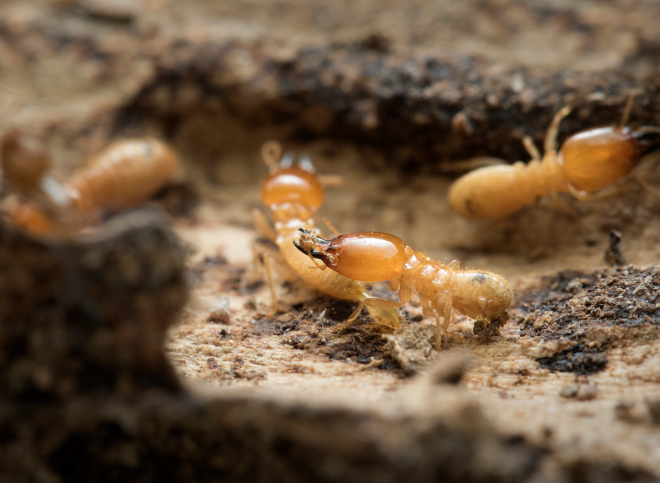
Termites are a serious concern in Singapore because warm, humid conditions allow colonies to stay active throughout the year. They can damage skirting, doors, cabinets, timber flooring, partitions, stored goods, and hidden structural areas before owners notice obvious signs.
Effective termite control starts with a proper inspection. The right treatment depends on the termite species, the location of activity, and the layout of the property. Aardwolf Pestkare provides termite control services for residential, commercial, and industrial properties in Singapore, including termite baiting, in-ground stations, corrective treatments, soil treatments, and spot treatments.
What Are the Warning Signs of Termites?
The most common warning signs of termites are mud tubes, hollow-sounding wood, discarded wings, frass, and damaged timber surfaces.
You should arrange an inspection if you notice:
- Brown mud tubes on walls, beams, floors, or pipes
- Timber that sounds hollow when tapped
- Skirting boards, doors, or cabinets that crumble easily
- Discarded wings near windows, lights, or doorways
- Fine sand-like droppings near wooden furniture
- Bubbling paint, soft spots, or warped wooden surfaces
Subterranean termites often build mud tubes so they can move between soil and food sources without drying out. Drywood termites may leave small pellet-like droppings around infested furniture or timber.
Do not spray or break termite trails before an inspection if possible. Disturbing the activity may cause termites to shift deeper into hidden areas.
Why Professional Inspection Matters
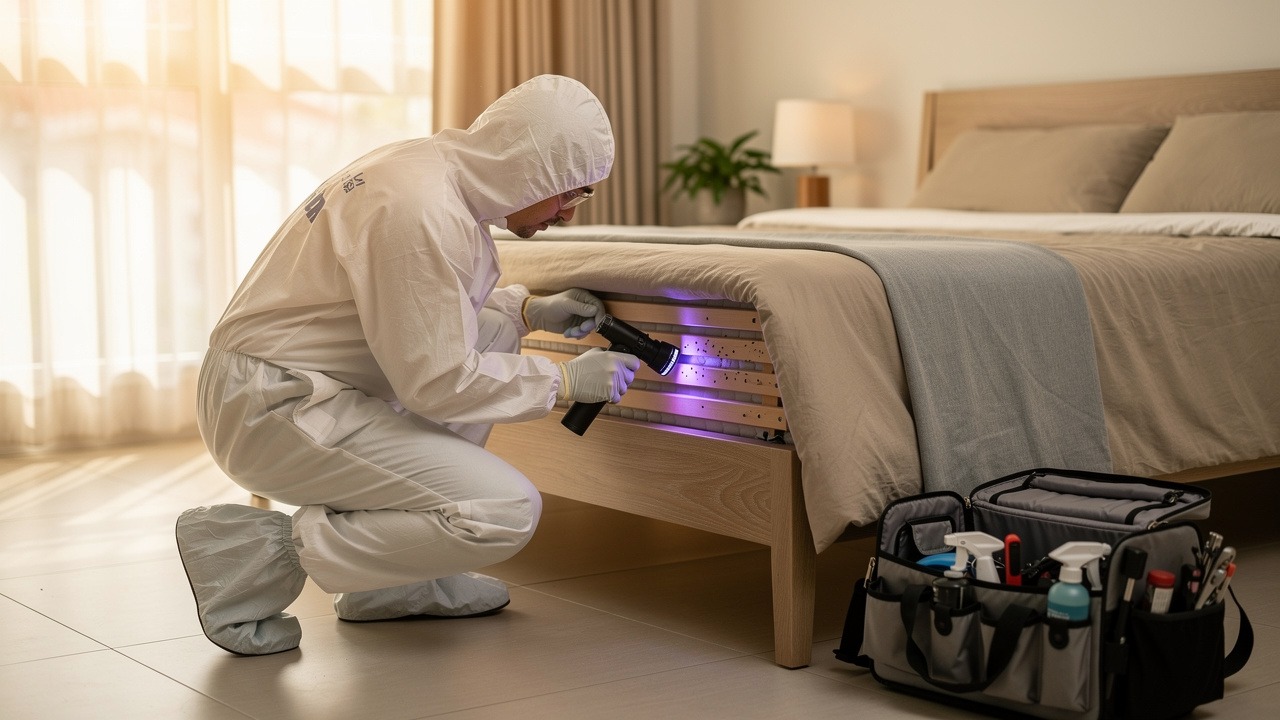
Termite control should not begin with guesswork. A proper inspection identifies the termite type, entry points, moisture conditions, and extent of damage.
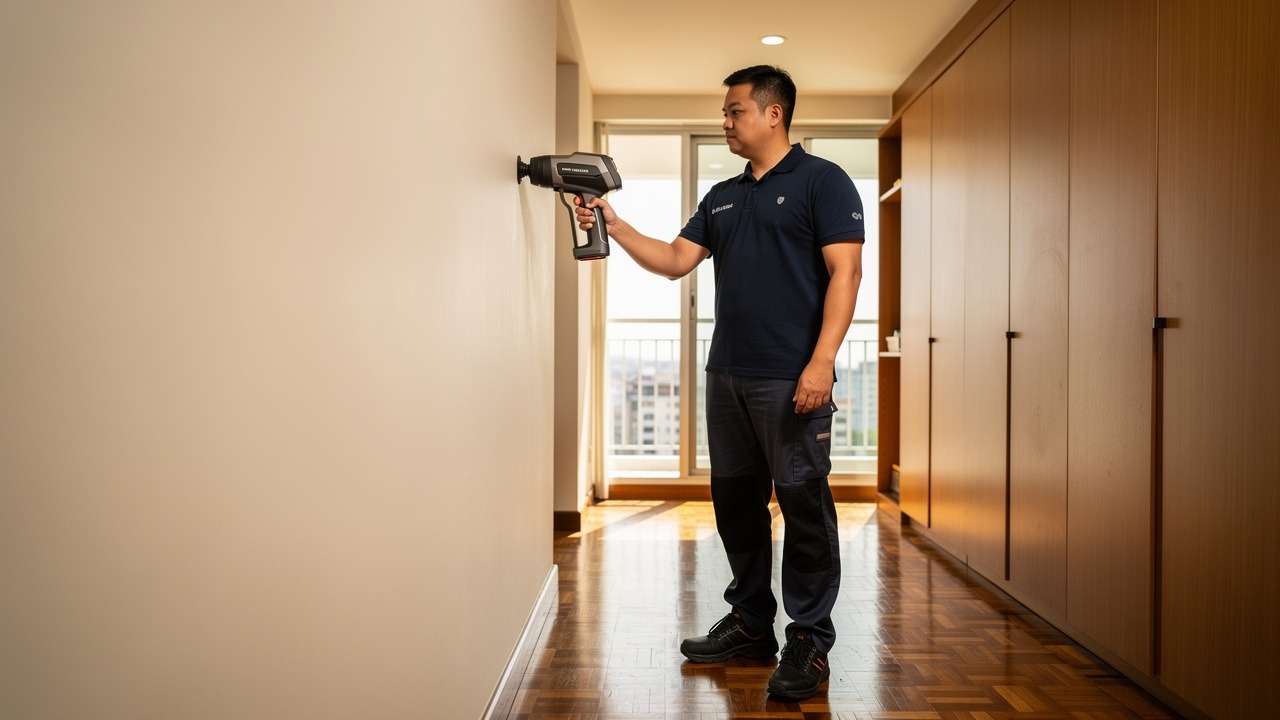
Aardwolf Pestkare uses thermal imaging through TermiCam technology to help confirm subterranean termite activity in built-in structures, doors, and tree trunks. The company states that termite control requires species-specific treatment by trained technicians who target the source of infestation.
This matters because different termites require different methods. A treatment that works for subterranean termites may not be suitable for drywood termites inside furniture.
Main Termite Control Methods in Singapore
Termite Baiting
Termite baiting uses bait stations to attract worker termites. The termites feed on the bait and carry it back to the colony. Over time, the colony weakens and collapses.
Aardwolf Pestkare’s termite baiting services use bait stations placed strategically around areas with detected termite activity. This method is designed to target the colony more broadly, rather than only killing visible termites.
Baiting is often suitable for occupied homes, offices, and shops because it causes less disruption than heavy drilling.
Soil Treatment
Soil treatment creates a treated barrier around a building. Technicians inspect the property, identify possible entry points, mark the perimeter, and apply insecticide into the soil at a suitable depth.
Aardwolf Pestkare uses soil treatment to create a protective zone that termites cannot easily penetrate. The method may vary depending on soil type, building structure, and infestation severity. This is often useful for landed homes, ground-floor units, warehouses, and properties where termites may enter from soil.
Spot Treatment
Spot treatment applies insecticide directly to areas with localised termite activity. It may be suitable when the problem is limited to specific timber sections, furniture, or small affected zones.
Aardwolf Pestkare describes spot treatment as a targeted method for localised infestations where full treatment may not be necessary.
How Much Does Termite Control Cost in Singapore?
Termite control cost depends on property size, infestation severity, termite species, access difficulty, treatment method, and follow-up needs.
As a broad planning guide:
- Inspection and report: usually from a small service fee
- Spot treatment: generally lower cost for localised activity
- Baiting programme: higher cost because it includes stations and follow-ups
- Soil treatment: varies based on perimeter size and drilling needs
- Large commercial sites: may require a customised plan
Aardwolf Pestkare’s guide states that termite baiting programmes in Singapore commonly range from about S$800 to over S$3,000, depending on the site and programme scope. A site inspection is the safest way to get an accurate quote.
How to Prevent Termites in Singapore Properties
Prevention focuses on reducing moisture, removing food sources, and keeping inspection areas visible.
Helpful habits include:
- Fix leaking pipes, roofs, and air-con drainage quickly
- Keep timber, cardboard, and paper off damp floors
- Avoid storing wooden items directly against walls
- Clear old cartons and unused furniture from storerooms
- Keep building perimeters visible and uncluttered
- Check skirting, cabinets, and door frames regularly
- Arrange annual inspections for high-risk properties
For shops, offices, warehouses, and food premises, regular checks help reduce business disruption and repair costs.
FAQ
What is the best termite control method in Singapore?
The best method depends on the termite species and property layout. Subterranean termites are often treated with baiting, soil treatment, or both. Drywood termites may need spot treatment or timber-focused methods.
How do I know if I have termites?
Common signs include mud tubes, hollow wood, discarded wings, droppings, bubbling paint, and damaged skirting or cabinets. A professional inspection confirms whether termites are active.
Can I use DIY termite spray?
DIY sprays may kill visible termites but usually do not reach the colony. Spraying can also disturb termite activity and make the source harder to trace.
Does Aardwolf Pestkare provide termite control in Singapore?
Yes. Aardwolf Pestkare provides termite baiting, soil treatment, spot treatment, thermal imaging inspection, and termite control services for homes, businesses, and industrial properties in Singapore.