Termites work silently inside homes, devouring them from within, even penetrating concrete foundations that seem impenetrable. These concealed invaders gradually undermine structural integrity, creating mud tubes in walls and thriving in moisture issues. To address them, identify key warning signs, employ professional inspection methods, and implement effective treatments such as soil termiticides, baits, and stainless steel mesh. Adopt termite prevention strategies and contact experts at Aardwolf Pestkare for reliable, long-term savings protection of your home.
Professional extermination, termite treatment, wood treatment, fumigation, liquid termiticides, Termiticide Soil Treatment, Foam Treatment, Acoustic Sensors, Endoscopes, pest-resistant materials, Baiting Systems, baiting systems, eco-friendly products, follow-up treatments, regular monitoring, termite management, preventative measures, wood damage, home safety, structural stability, financial protection, peace of mind, New Jersey, New Jersey Pest Management Association, Ecolab, Barry O’Gorman, Eliminite Termite Services, U.S. homes.
Key Takeaways:
- Termites silently weaken wood and even infiltrate concrete via cracks, causing progressive termite damage and structural failure; professional termite control like soil termiticides stops this hidden deterioration early.
- Regular inspections detect subtle infestation signs in foundations and walls, preventing costly structural repairs by eliminating infestations before they compromise home integrity.
- Proven barriers like stainless steel mesh and baits from experts safeguard exteriors and interiors, preserving your property’s value long-term.
Understanding the Impact of Termites on Structural Integrity
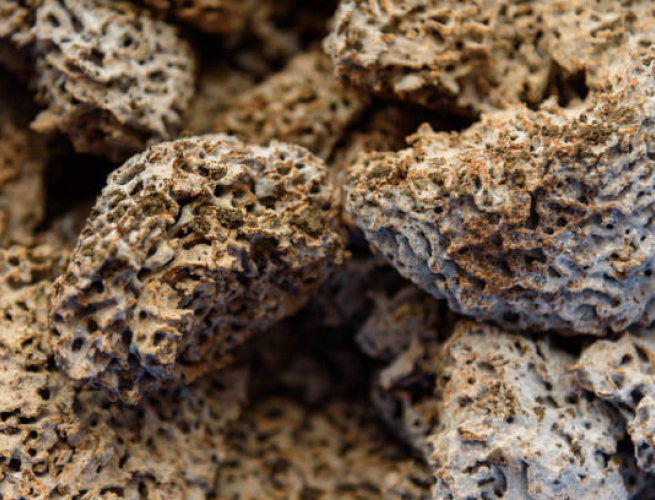
Subterranean Termites, especially subterranean termites like the Eastern Subterranean Termite and Formosan Termite, chew through wooden beams joists and foundation cracks, causing massive termite damage that undermines structural integrity and slashes property value in Singapore homes. These pests target wood structures by consuming cellulose, leading to wood decay over time. Homeowners often spot early detection signs like hollow wood or sagging floors.
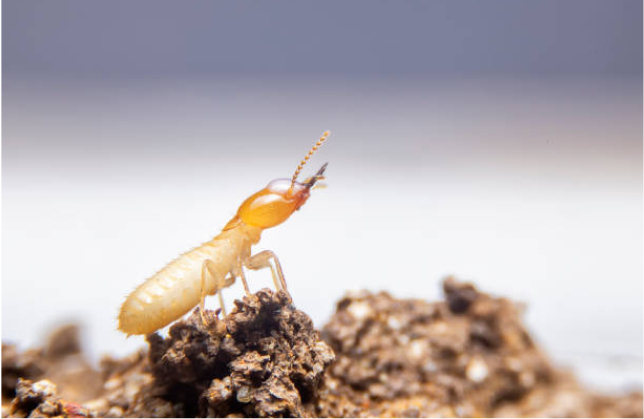
The termite lifecycle plays a key role in this destruction, starting with the egg stage where tiny eggs hatch into nymphs. Nymphs grow by feeding on wood, forming colonies that expand rapidly. Adult termites then swarm, shedding discarded wings and starting new infestations through entry points like cracks.
Experts from This Old House note that termite infestations weaken beams joists silently, often hidden behind walls or in crawl spaces. Companies like Terminix and Orkin highlight Mud Tubes as telltale termite signs of subterranean activity. Aardwolf Pestkare uses this knowledge for targeted termite control to protect structural stability.
Without early detection, termite activity leads to severe issues like attic damage and foundation cracks. Regular inspections reveal termite signs such as termite feces or swarm wings. Professional pest control from Aardwolf Pestkare prevents long-term wood damage and ensures home safety.
How Termites Cause Damage
Termite colonies thrive on cellulose consumption, turning solid wood structures into hollow wood through relentless wood decay, often leaving behind termite feces or Frass near Door Frames, Window Sills, and Skirting Boards.
These hidden invaders chew through beams, joists, and framing from the inside out. Homeowners might not notice until structural integrity weakens, leading to sagging floors or attic damage. Early detection of these signs prevents major termite damage.
Different termite species behave uniquely. Subterranean termites build mud tubes from soil to reach wood, while Drywood Termites infest drier areas without soil contact, and Dampwood Termites target moisture-rich wood. Spotting infestation signs like swarm wings or Alates helps catch problems early.
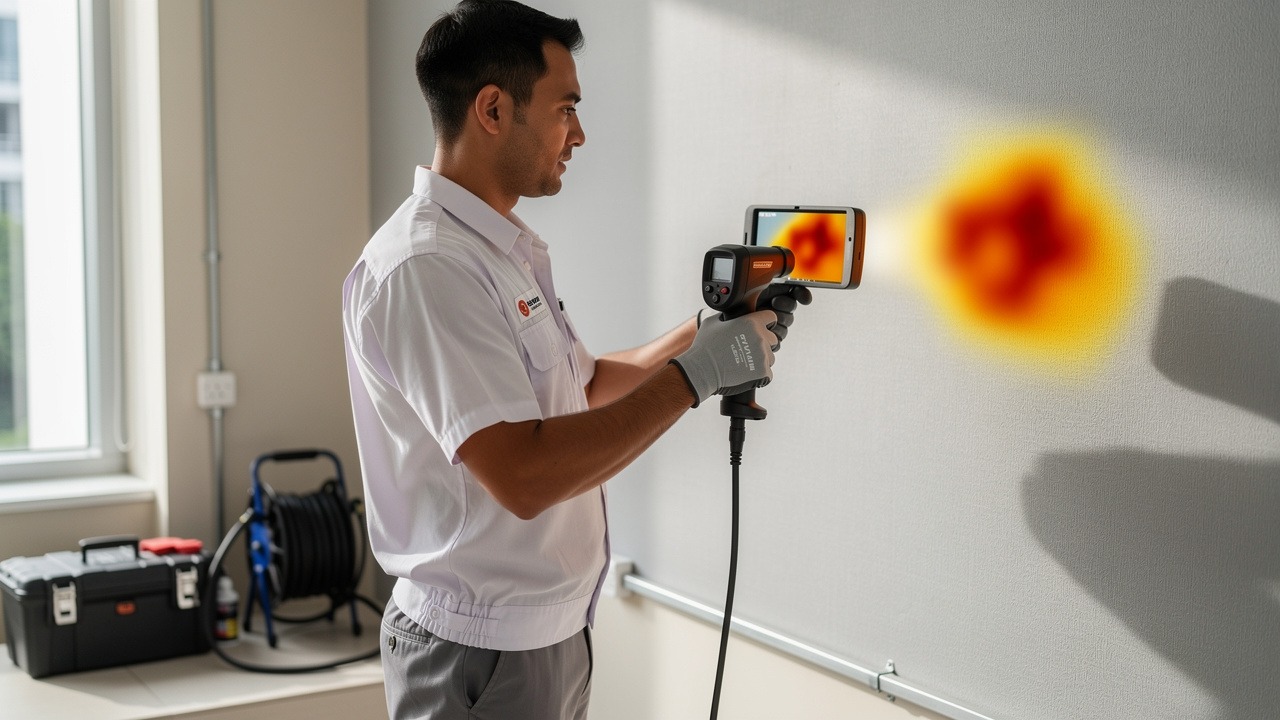
Professional pest control from Aardwolf Pestkare uses termite inspections with tools like Moisture Meters and thermal imaging cameras. Their customized treatment plans, including baiting systems and liquid termiticides, stop colonies before wood decay escalates. Regular monitoring ensures long-term termite prevention.
The Hidden Dangers of Termite Infestations
Hidden termite activity in Crawl Spaces, Attics, and Basements can lead to sagging floors and attic damage, turning minor termite infestation into major financial implications before you even spot the infestation signs. Termites work silently behind walls, chewing through wood structures like beams and joists. Their sneaky nature makes them hard to detect without professional help.
Subterranean termites thrive in moist soil and build mud tubes to reach wood above ground. These tubes often hide in foundation cracks or entry points around your home. Moisture issues attract them, worsening wood decay over time.
Drywood termites and dampwood termites target drier areas like attics, leaving behind discarded wings or hollow wood as subtle clues. In U.S. homes, these pests cause widespread structural deterioration if ignored. Aardwolf Pestkare’s termite inspections use tools like Thermal Imaging Cameras and moisture meters to uncover hidden colonies early.
Early detection through regular inspections prevents costly structural repairs. Experts recommend scheduling professional termite control to protect your property value and ensure long-term structural integrity. Aardwolf Pestkare provides thorough checks to spot termite signs before damage spreads.
Can Termites Really Live in Concrete?
Yes, subterranean termites can invade concrete structures in Singapore by exploiting tiny entry points and creating their own moisture control environments to sustain termite colonies right within your foundation.
These pests build mud tubes over or through concrete slabs to reach wood inside. The tubes protect them from drying out and predators. Homeowners often spot these thin, mud-like tunnels along foundation walls during termite inspections.
Chemically treated sands act as protective barriers, repelling termites from breaching concrete. Aardwolf Pestkare uses these in termite prevention strategies, combined with baiting systems for long-term colony control. Early detection of discarded wings near concrete edges signals active termite infestations.
Regular monitoring with moisture meters helps spot vulnerabilities before colonies expand. This approach maintains structural integrity and avoids costly structural repairs. Professional pest control ensures comprehensive protection against termite species like dampwood and drywood termites.
Why Concrete Isn’t a Perfect Barrier
Concrete might seem like a solid physical barrier, but foundation cracks and moisture issues make it far from perfect against persistent termite species.
Subterranean termites enter through cracks as small as a pencil lead width, then construct mud tubes for access to wood structures. Moisture from leaks or poor drainage creates ideal conditions for termite colonies to thrive. The New Jersey Pest Management Association highlights how these vulnerabilities lead to hidden termite damage.
Install stainless steel mesh and physical barriers during construction to block entry points effectively. Seal cracks with termite resistant materials and apply liquid soil treatments around foundations. These steps, part of integrated pest management, prevent wood decay in beams joists.
Conduct regular inspections in crawl spaces and attics using thermal imaging cameras for termite activity. Aardwolf Pestkare offers customized treatment plans with wood treatments and follow-up treatments. This preserves structural stability and safeguards property value over time.
How Termites Enter Concrete Structures
Termites enter concrete structures via tiny entry points, building mud tubes through foundation cracks to bypass the material entirely. Subterranean termites often use these tubes to travel from soil to wood inside homes. This hidden access allows termite infestations to grow unnoticed.
Cracks in foundations from settling or water damage create ideal entry points. Termites mix soil with saliva to form protective tunnels. Sealing these foundation cracks with caulk or concrete filler serves as a basic preventative measure.
Damp areas around slabs attract termite colonies seeking moisture. Moisture control through proper drainage keeps termites at bay. Regular checks for termite signs like mud tubes help with early detection.
Aardwolf Pestkare offers customized treatment plans tailored to your property’s needs. These plans include liquid soil treatments and physical barriers for lasting protection. Professional assessments ensure comprehensive termite prevention.
Environmental Conditions Termites Need—and How They Create Them
Termites need moisture issues and damp conditions to thrive through their termite lifecycle, often creating their own moisture control spots to fuel cellulose consumption and wood decay. These pests target wood structures in homes, especially in crawl spaces or attics where humidity builds up. Home maintenance plays a key role in disrupting their preferred environment.
Subterranean termites, for instance, build mud tubes to travel from soil to wood, trapping moisture inside these tunnels. This self-made system keeps their colonies hydrated during the egg stage, nymph stage, and even adult termites. Regular checks for these tubes during home maintenance can reveal termite activity early.
Dampwood termites and drywood termites also seek out wet wood, sometimes worsening moisture issues by burrowing and creating galleries that retain dampness. Pros use moisture meters as a detection tool to measure hidden humidity levels in walls or beams joists. This helps in spotting conditions ripe for termite infestations before major wood damage occurs.
To counter this, focus on moisture control through proper ventilation and fixing leaks promptly. Seal cracks in foundations and entry points to limit access. These steps tie directly into broader termite prevention efforts, safeguarding structural integrity over time, especially for Door Frames and Window Sills.
Warning Signs of Termites in Concrete Walls
Look for Mud Tubes, termite feces or Frass, and hollow wood sounds when tapping concrete walls. These termite signs scream infestation. Early detection in concrete walls can prevent severe structural deterioration.
Subterranean termites often build mud tubes along concrete surfaces to reach wood inside walls. These pencil-thin tunnels protect them from air and predators. Check baseboards and foundations for these irregular paths during regular inspections.
Discarded Wings from Alates, the swarming adult termites, pile up near windows or doors close to concrete walls. Termite frass resembles small, dry pellets scattered on Window Sills. Tapping walls may reveal a hollow wood echo, signaling hidden termite damage.
Schedule termite inspections with Aardwolf Pestkare, alongside experts like Barry O’Gorman from This Old House and Eliminite Termite Services, to spot these signs early. Professional tools like Moisture Meters and thermal imaging cameras detect termite activity behind concrete. Acting fast preserves structural integrity and avoids costly structural repairs.
Preserving Foundation Materials From Destructive Activity
Preserving foundation materials means proactive termite prevention with protective barriers and timely structural repairs to avoid financial protection nightmares. Termites like Subterranean Termites target wood structures in foundations, creating mud tubes to access beams and joists. Early detection through termite inspections spots these signs before major termite damage sets in.
Liquid soil treatments form a chemical barrier around your home’s perimeter, killing termites as they try to enter from the ground. These treatments penetrate soil deeply, disrupting termite colonies and preventing cellulose consumption in foundation wood. Pair them with physical barriers like stainless steel mesh at entry points for added defense.
Regular monitoring with Moisture Meters helps control moisture issues that attract Dampwood Termites and worsen wood decay. Seal foundation cracks and maintain Crawl Spaces to limit termite activity. This approach leads to long-term savings by avoiding costly professional extermination later.
Experts recommend integrated pest management combining liquid termiticides, baiting systems, and wood treatments. For existing termite infestations, customized treatment plans ensure structural integrity. Homeowners gain peace of mind knowing their foundation stays strong against termite species over time.
Preventing Damage to Exterior Structural Elements
Protect exterior Wooden Beams by using termite resistant materials and sealing cracks to block termite access. Eastern Subterranean Termite and Formosan Termite often enter through tiny gaps in foundations or siding. This simple step stops them from reaching beams joists and causing wood damage.
Apply eco-friendly products like borate-based wood treatments to outdoor timber. These natural compounds disrupt the termite lifecycle without harsh chemicals. They penetrate wood deeply to protect against cellulose consumption by termites.
Install physical barriers such as stainless steel mesh around entry points. This blocks subterranean termites from crawling up to exterior wood structures. Combine it with moisture control to prevent dampwood termites drawn to wet areas.
Regular inspections reveal early signs like mud tubes or discarded wings near beams. Use moisture meters to spot hidden termite activity. These measures maintain structural integrity and avoid costly structural repairs.
Inspection Techniques Pros Use
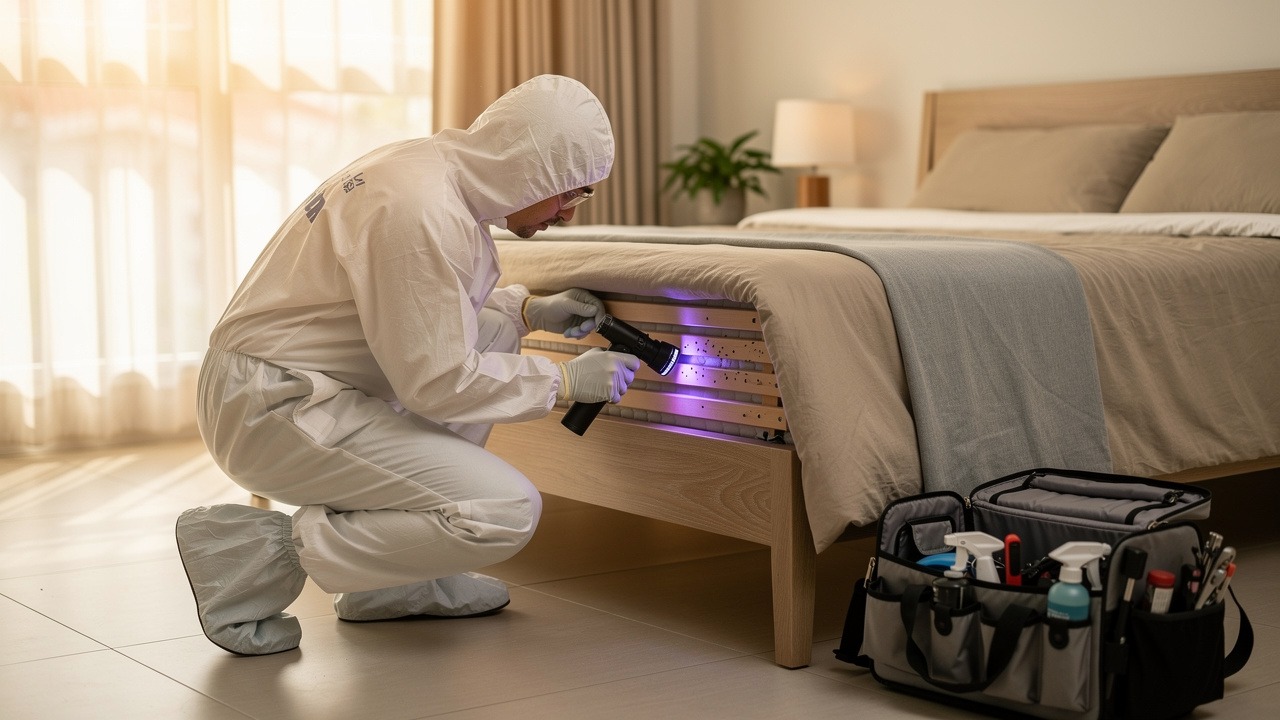
Pros at Aardwolf Pestkare use Thermal Imaging Cameras, Moisture Meters, Acoustic Sensors, and Endoscopes for thorough termite inspections and early detection. These tools help spot hidden termite activity before it causes major termite damage. Regular monitoring with them supports integrated pest management for long-term termite prevention.
Thermal imaging cameras detect heat from termite colonies inside walls or floors. They reveal termite activity that visual checks miss, like in crawl spaces or attics. This early detection prevents structural deterioration from subterranean termites or drywood termites.
Moisture meters identify moisture issues that attract dampwood termites. High readings near foundation cracks or entry points signal risks for wood decay. Pros use them during regular inspections to recommend moisture control measures.
Acoustic sensors pick up sounds of termites chewing wood, while endoscopes peer into hollow wood for mud tubes or discarded wings. These techniques catch infestation signs early, avoiding sagging floors or beams joists failure. Schedule professional termite control to maintain structural integrity.
Current Options for Treating Homes
Today’s termite treatment options, from Termiticide Soil Treatment to Baiting Systems, offer professional extermination via customized treatment plans with essential follow-up treatments. Companies like Terminix, Orkin, and Ecolab provide these services, and Aardwolf Pestkare brings local expertise in Singapore for effective termite control. These methods target termite colonies and prevent structural deterioration over time.
Professionals start with termite inspections to spot signs like mud tubes, discarded wings, or hollow wood. This leads to tailored plans that address subterranean termites, drywood termites, or dampwood termites. Regular monitoring ensures long-term protection and peace of mind.
In Singapore homes, where humidity fuels termite activity, these options fit Crawl Spaces, foundations, and Attics. Aardwolf Pestkare combines them for integrated pest management, reducing wood damage and maintaining structural integrity. Early detection through moisture meters or thermal imaging cameras enhances results.
Options range from chemical barriers to physical ones, each suited to specific termite species and entry points. Seal cracks and control moisture alongside treatments for best outcomes. This approach saves on structural repairs and protects property value.
Soil-applied liquid termiticides
Soil-applied liquid termiticides create a protective zone against subterranean termites, penetrating deep via liquid soil treatments. Technicians inject the solution around foundations and Crawl Spaces, forming a barrier that termites cannot cross. This method disrupts the termite lifecycle from egg stage to adult termites.
In Singapore homes, apply these during construction or retrofits to guard against foundation cracks and moisture issues. The liquids target foraging termites, killing them upon contact and preventing termite infestations. Follow-up treatments maintain the barrier’s strength over years.
Experts recommend combining this with regular inspections to check for mud tubes or swarm wings. It offers reliable defense for wood structures like beams and joists. Aardwolf Pestkare customizes applications for local conditions, ensuring long-term savings.
Unlike surface sprays, these treatments reach deep into soil, addressing hidden colonies. Homeowners benefit from reduced wood decay and sagging floors. Professional application guarantees safety and effectiveness.
Termite baits
Termite baits target entire termite colonies slowly and effectively with eco-friendly products through baiting systems. Stations placed around the property attract foragers with cellulose material laced with slow-acting toxins. Termites share the bait, wiping out the colony from nymph stage to reproductives.
As part of integrated pest management, baits minimize chemical use and suit urban Singapore settings. Monitor stations regularly to replace bait and track termite activity. This method excels against subterranean termites without drilling or trenching.
Aardwolf Pestkare installs and services these for ongoing protection, pairing with early detection tools. Baits prevent reinfestation by eliminating queens, unlike quick-kill sprays. They promote termite prevention with minimal disruption to yards.
Signs like termite feces or discarded wings signal the need for baits. This approach safeguards structural stability and avoids costly termite damage. Professionals ensure precise placement near entry points for best results.
Wood treatment
Wood Treatment injects chemicals directly into infested areas, ideal for Drywood Termites via Foam Treatment. Technicians drill small holes into affected wood, like beams or joists, and apply foam that expands to reach hidden galleries. This targets colonies inside structures without full-home evacuation.
Unlike fumigation, which tents the entire house, wood treatment focuses on specific spots like attic damage or furniture. The foam delivers insecticide precisely, killing termites on contact and residual protection. It’s a spot treatment for localized infestation signs.
In Singapore’s wooden homes, use this for drywood or dampwood termites thriving in low-moisture wood. Aardwolf Pestkare applies it after inspections confirm hollow wood or frass. Seal cracks post-treatment to block re-entry.
This method preserves structural repairs by treating only damaged areas, contrasting fumigation’s broad approach. It offers quick recovery and home safety. Regular checks prevent recurrence.
Skirting Boards and Stainless Steel Mesh
Stainless steel mesh blocks entry points as a durable physical barrier during construction or retrofits. Install fine mesh screens over foundation vents, cracks, and weep holes to stop Subterranean Termites from entering. Its corrosion-resistant design lasts decades without chemicals.
During new builds in Singapore, embed mesh in slabs and around pipes for complete protection. Retrofits involve cutting trenches to insert it under slabs. This prevents termite colonies from reaching wood structures.
Aardwolf Pestkare specializes in precise installations, often with termite inspections to identify risks. Pair it with moisture control for enhanced defense against Dampwood Termites. It supports preventative measures without ongoing applications.
Unlike chemical barriers, mesh provides permanent blockage, reducing reliance on follow-ups. Homeowners gain financial protection by averting infestations early. Inspect periodically for damage to maintain effectiveness.
Other barrier treatments
Other barrier treatments like chemically treated sands and fumigation provide comprehensive protection. Treated sands, infused with insecticides, surround foundations to deter termites from crossing. Fumigation uses gas to penetrate all wood, targeting widespread Drywood Termites infestations.
Chemically treated sands offer a non-liquid alternative, ideal for slab homes in Singapore. Install during construction for lasting barriers against cellulose consumption. Fumigation suits severe cases, tenting the home to eliminate all life stages.
Professionals like Aardwolf Pestkare select these based on termite species and home layout. Combine with wood treatments or baits for termite management. They address moisture issues and entry points effectively.
These methods ensure structural integrity by creating multi-layered defenses. Regular home maintenance enhances their impact, preventing sagging floors or foundation issues. Experts guide choices for optimal results.
Prevention: Before and After Construction
Prevention before and after construction involves preventative measures, regular inspections, and smart home maintenance to keep termites at bay. These steps target common termite species like subterranean termites, drywood termites, and dampwood termites. Acting early preserves structural integrity and avoids costly repairs.
Before construction, install physical barriers such as stainless steel mesh or chemically treated sands around the foundation. Use termite resistant materials for wood structures, like beams and joists, to deter cellulose consumption. These choices reduce entry points for termite colonies from the start.
After construction, focus on moisture control in crawl spaces and attics to prevent wood decay. Seal cracks in the foundation and use wood treatments on exposed areas. Regular home maintenance, like fixing leaks promptly, starves termites of their primary food source.
Partnering with Aardwolf Pestkare ensures professional termite control through customized treatment plans, including Baiting Systems and liquid soil treatments. Their experts use tools like Thermal Imaging Cameras and Moisture Meters for early detection of mud tubes or Discarded Wings. This brings lasting peace of mind and protects your property value.
How to Protect Your Home from Termites
Protect your home by tackling moisture control, scheduling pest control, and committing to termite management with regular monitoring. These steps help prevent termite infestations that lead to structural deterioration over time. Start with simple habits to keep termites at bay.
Focus on moisture issues first, as termites thrive in damp areas. Fix leaks around pipes and roofs promptly, and ensure proper drainage away from your foundation. Use dehumidifiers in crawl spaces to reduce humidity levels.
Incorporate termite resistant materials during construction or renovations. Choose pressure-treated wood or composite materials that deter cellulose consumption. Seal entry points with stainless steel mesh to block access for subterranean termites.
Schedule regular inspections to spot early signs like Mud Tubes or Discarded Wings. Combine this with integrated pest management for long-term protection. Professional advice ensures your home’s structural integrity remains solid.
Control Moisture to Deter Termite Activity
Termites need moisture to survive, so moisture control is a key part of termite prevention. Keep soil dry around your foundation by grading land properly and installing gutters that direct water away. This reduces appeal for dampwood termites and others.
Inspect Crawl Spaces and Attics for damp spots regularly. Use Moisture Meters to check levels in Wooden Beams and joists. Address any high readings quickly to avoid wood decay.
Ventilate enclosed areas well to prevent buildup. Combine fans with vapor barriers under slabs for extra protection. These steps maintain home safety and support structural stability.
Install Physical Barriers and Use Termite-Resistant Materials
Physical barriers like stainless steel mesh or chemically treated sands block termites at entry points. Place them around foundations during building or retrofitting. This stops subterranean termites from reaching wood structures.
Opt for termite resistant materials such as borate-treated lumber or metal Skirting Boards. These options resist attacks from drywood termites and subterranean species. They provide lasting defense without constant upkeep.
Seal cracks in foundations and walls with caulk or foam. Check for gaps around utility lines too. Regular home maintenance like this preserves property value and prevents termite damage.
Schedule Regular Termite Inspections and Treatments
Regular inspections catch termite signs early, like hollow wood or Frass. Hire professionals with Thermal Imaging Cameras for thorough checks of hidden areas. Early detection saves on structural repairs.
Apply Termiticide Soil Treatment or baiting systems as preventative measures. These target the termite lifecycle, from egg stage to adult Alates. Professional termite control singapore tailors plans to your home.
Follow up with Wood Treatment on exposed timbers. Use eco-friendly products for safety. This approach ensures peace of mind and long-term savings against infestations.
What to Do If You Suspect a Termite Infestation
If you suspect a termite infestation, call Aardwolf Pestkare in Singapore immediately for termite inspections and professional extermination. Signs like Mud Tubes along foundation walls or Discarded Wings near windows often indicate active termite colonies. Acting quickly protects your home’s structural integrity and avoids costly structural repairs.
Start by checking common entry points such as Crawl Spaces, foundation cracks, and areas with moisture issues. Use a screwdriver to probe for hollow wood in beams and joists, a classic sign of termite damage. Document these infestation signs with photos for the professionals.
Professionals use tools like Moisture Meters and Thermal Imaging Cameras to detect hidden termite activity from species like subterranean termites, drywood termites, or dampwood termites. They assess the extent of wood damage and recommend customized treatment plans, including Termiticide Soil Treatment or Baiting Systems.
- Schedule termite inspections right away to confirm termite species and colony size.
- Discuss financial protection options, such as insurance reviews, to cover potential structural repairs.
- Opt for integrated pest management with follow-up treatments for long-term savings and peace of mind.
Immediate Steps for Homeowners
Reduce moisture control by fixing leaks and improving ventilation in Attics and Crawl Spaces. Avoid stacking firewood against your home, as it attracts termites seeking cellulose consumption. These preventative measures limit termite lifecycle stages from egg to adult.
Inspect for Frass resembling sawdust or sagging floors from wood decay. Seal cracks with stainless steel mesh or caulk to block entry points. This buys time until pros arrive with professional pest control.
For early detection, tap wooden structures for hollow sounds and look for swarm wings after rain. These actions support home safety and preserve property value. Experts recommend regular monitoring post-inspection.
Professional Treatment Options
Professional termite control offers methods like fumigation for drywood termites or liquid soil treatments for subterranean ones. Baiting Systems target colonies without widespread chemicals, promoting eco-friendly products. Choose based on your home’s layout for best results.
Physical barriers such as chemically treated sands or protective barriers prevent future invasions. Wood Treatments protect beams and joists from nymph stage to adult termites. These ensure structural stability over time.
Termite management includes regular inspections and follow-up treatments to eliminate termite infestations. Pair with pest-resistant materials during home maintenance for lasting defense. This approach minimizes financial implications of untreated damage.
Subterranean Termites, Dampwood Termites, and Drywood Termites are common threats in places like Singapore.
Frequently Asked Questions
How does termite control prevent structural deterioration over time from Mud Tubes and Frass?
Termite control prevents structural deterioration over time by eliminating termite colonies and applying protective treatments that stop these wood-destroying pests from feeding on your home’s foundation, Wooden Beams, Door Frames, and framing. At Aardwolf Pestkare, our expert services use advanced detection tools like Moisture Meters, Thermal Imaging Cameras, Acoustic Sensors, and Endoscopes to safeguard your property long-term, ensuring structural integrity and avoiding costly repairs.
What role does professional termite control like Termiticide Soil Treatment and Baiting Systems play in preventing long-term structural deterioration?
Professional termite control, like that offered by companies such as Terminix, Orkin, and Ecolab, and similar to Aardwolf Pestkare, plays a crucial role in preventing structural deterioration over time through regular inspections, Baiting Systems, Foam Treatment, Wood Treatment, and barrier treatments. These methods disrupt termite lifecycles like those of the Eastern Subterranean Termite and Formosan Termite, protect wooden elements from being hollowed out, and maintain your home’s stability for years.
How Termite Control Prevents Structural Deterioration Over Time: Early Detection Benefits with Discarded Wings and Alates
Early detection via termite control services is key to how termite control prevents structural deterioration over time. Aardwolf Pestkare’s trained technicians, much like experts featured on This Old House with Barry O’Gorman, identify hidden infestations before they cause widespread damage, using state-of-the-art tools to treat and prevent further weakening of load-bearing structures.
Why is ongoing termite control essential for avoiding structural deterioration over time in Crawl Spaces, Attics, and Basements?
Ongoing termite control is essential for avoiding structural deterioration over time because termites can reinfest untreated areas, continuously gnawing through wood like Window Sills and Skirting Boards and compromising safety. Aardwolf Pestkare provides scheduled maintenance plans that ensure continuous protection, preserving your property’s value and structure.
How Termite Control Prevents Structural Deterioration Over Time in Wooden Homes, Similar to U.S. homes and New Jersey Properties
In wooden homes, much like those protected by Eliminite Termite Services or members of the New Jersey Pest Management Association, termite control prevents structural deterioration over time by creating chemical barriers and using non-toxic baits that termites share with their colony, leading to its elimination. Aardwolf Pestkare tailors these solutions to your home, also offering expertise in other pest management like ants and rodents for comprehensive care.
Can termite control completely stop structural deterioration over time?
Yes, effective termite control can completely stop structural deterioration over time when implemented professionally. Aardwolf Pestkare’s integrated pest management approach not only eradicates termites but also monitors for future threats, combining termite treatments with broader pest control solutions to keep your structure sound indefinitely.