Discovering rodents in your home can be quite alarming, with chewed wires, droppings, and potential health risks requiring prompt attention. Opting for professional treatment from Aardwolf Pestkare’s certified experts far surpasses DIY efforts, as industry studies confirm 90% higher success rates. We follow a comprehensive process: starting with thorough inspections and species identification, then deploying bait stations, sealing entry points, providing sanitation advice, and conducting ongoing monitoring. This approach is safer, faster, and more effective for rodent control.
Key Takeaways:
- Professionals conduct thorough Exterior Inspection and Interior Inspection to identify rodent species, entry points, and nests, ensuring targeted treatment.
- Expect strategic bait stations or traps, sealing of entry points, and nest removal, followed by sanitation advice for lasting results.
- Monitoring and follow-up visits guarantee effectiveness, outperforming DIY with health, safety, and structural benefits—typically completed in weeks.
Why Rodent Problems Require Professional Treatment
Rodent problems like house mice, roof rats, or squirrels control issues often seem manageable with DIY methods, but they quickly escalate into serious rodent infestations causing property damage from chewed wires and gnaw marks, plus health risks from rat droppings and mouse droppings.
DIY limitations become clear when homeowners use Store-Bought Traps like snap traps or live traps without understanding rodent biology. Rodents breed rapidly and avoid obvious traps, leading to ongoing rodent activity like scratching noises and rub marks. Professionals identify nesting areas in attics, basements, and wall voids that DIY efforts miss.
professional pest control outperforms DIY methods by addressing entry points such as foundation cracks, gas lines, and garage doors with steel wool or steel mesh. Experts use tamper-resistant bait stations and rodenticides safely, preventing re-infestation. Companies like Aardwolf Pestkare, alongside options like Wake Pest or Terminix, bring expertise in rodent extermination and termite control for complete property protection.
Homeowners face health risks from improper handling of droppings, which spread diseases. A rodent technician wears protective gear and provides sanitation advice, including bleach solutions for cleanup. This ensures a rodent-free home through seal entry points and follow-up visits.
Detailed Rodent Inspection
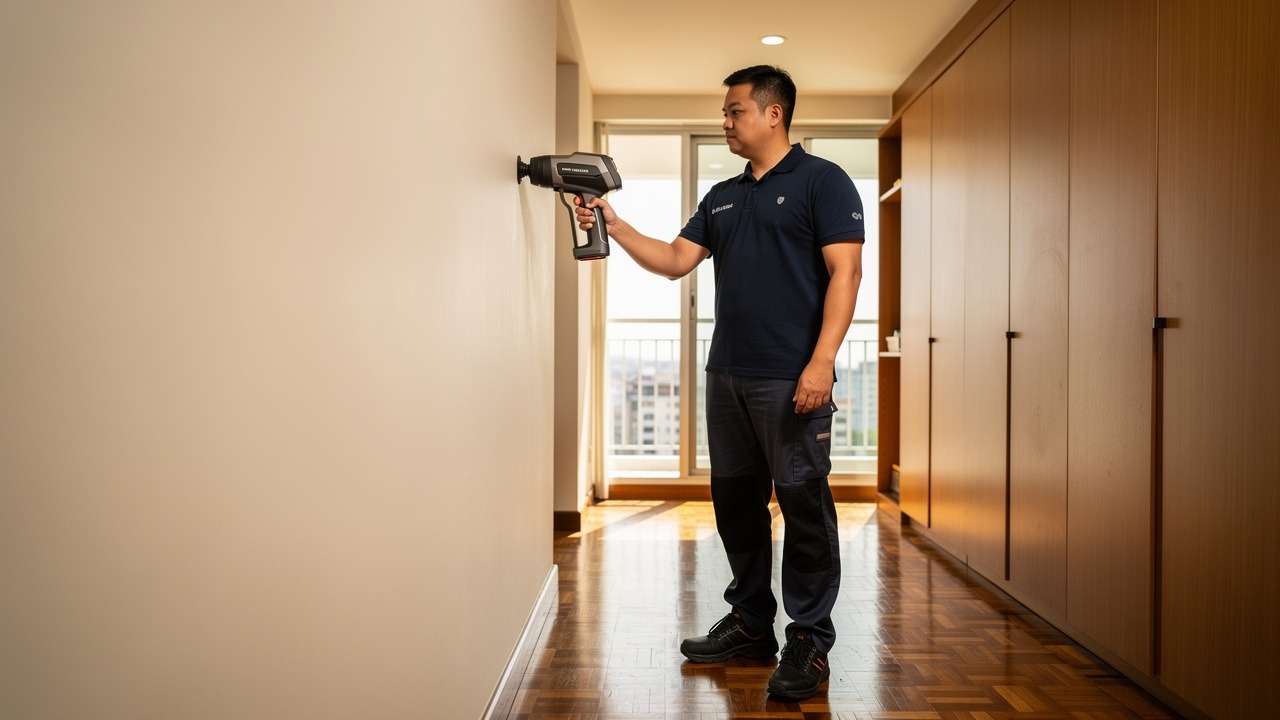
A thorough rodent inspection is the cornerstone of effective pest control, where our rodent technician conducts an initial consultation, exterior check for entry points, and interior tour to spot signs of rodents like droppings, nesting areas, and rodent activity.
During the initial consultation, the technician discusses your observations, such as scratching noises or chewed wires, to understand the scope of the rodent infestation. This step helps tailor the treatment plan to your property in Singapore. Aardwolf Pestkare’s professional approach ensures nothing is overlooked.
The exterior check and interior tour reveal hidden rodent activity, from rub marks to gnaw marks. Technicians use protective gear and tools to identify entry points accurately. This detailed process prevents property damage and health risks from pests like house mice or roof rats.
Experts recommend combining species identification with these inspections for targeted rodent control. Our team at Aardwolf Pestkare provides sanitation advice and prevention tips and environmental recommendations right away. Expect a clear report on findings to guide the full rodent treatment.
Exterior Inspection
During the exterior inspection, we meticulously check Foundation Cracks, Gaps Under Doors, garage doors, Roofline Intersections, Soffits, Fascia, window wells, gas lines, and electrical lines for common rodent entry points.
Technicians look for rub marks along walls, greasy trails from rodent fur, and gnaw marks on wood or plastic. These signs of rodents often appear near roofline gaps or utility penetrations. Sealing these spots with steel wool or steel mesh is a key first step.
Rodent activity outside can lead to indoor problems, like chewed wires causing fire hazards. Our Aardwolf Pestkare team uses flashlights and probes to inspect hard-to-reach areas. This prevents rodent extermination from becoming a recurring issue.
Practical examples include spotting droppings near soffits or nests in attic vents. We recommend metal flashing for durable repairs. Follow-up monitoring ensures a rodent-free home.
Interior Inspection
The interior inspection focuses on Wall Voids, Baseboards, Utility Rooms, attics, basements, and crawl spaces to identify mouse droppings, rat droppings, scratching noises, and nesting sites.
Small, rice-shaped Mice droppings differ from larger rat droppings, helping with species identification. Nesting areas often hide in insulation, causing damage that requires insulation replacement. Technicians note these for effective baiting or traps.
In attics basements, listen for scratching noises at night, a classic sign of rodent activity. Aardwolf Pestkare’s pros check for chewed wires and urine stains too. This thorough check supports safe use of snap traps, live traps, or rodenticides in tamper-resistant boxes.
Professional pest control shines here, unlike DIY methods with their limitations. We offer after-treatment clean-up tips, like bleach solution for droppings. Ongoing maintenance and follow-up visits with follow-up monitoring keep your space protected.
Species Identification
Accurate species identification of mice rats, house mice, roof rats, or Squirrels is crucial, as each has unique rodent biology, behaviors, and control needs. A professional rodent technician from Aardwolf Pestkare starts with a thorough rodent inspection to spot signs like rat droppings, mouse droppings, gnaw marks, and rub marks. This step ensures the treatment plan targets the exact pest effectively.
House mice leave small, rice-sized droppings and create tiny holes near food sources. They breed quickly in wall voids and nesting areas like cabinets. Aardwolf tailors snap traps or bait stations for these agile intruders during professional pest control.
Roof rats produce larger, banana-shaped droppings and travel along rooflines or attic vents. They cause property damage by chewing electrical lines and chewed wires. Aardwolf uses tamper-resistant stations and sealing entry points with steel wool or steel mesh for these climbers.
Squirrels differ with bushy tails and larger gnaw marks on wood or attics basements. They nest in trees but enter via roofline gaps or garage doors. Aardwolf employs live traps and exclusion methods like metal flashing to prevent re-entry, avoiding rodenticides unsuitable for these non-rodents.
Locating Entry Points
Locating entry points like attic vents, foundation cracks, and roofline gaps is key to preventing rodent access during professional rodent inspection.
Professionals use signs of rodent activity such as gnaw marks, rub marks, and droppings to pinpoint these spots. They check common areas like attics, basements, crawl spaces, and wall voids. This thorough search ensures no hidden access remains.
Once identified, experts recommend sealing entry points and seal entry points immediately to stop further intrusion. Tools like steel wool packed into gaps block rodents effectively since they cannot gnaw through it easily. Combine this with steel mesh or metal flashing for lasting results.
During the rodent treatment process, addressing these vulnerabilities prevents property damage from chewed wires or insulation. Proper sealing entry supports overall pest control and creates a rodent-free home over time.
Strategic Placement of Bait Stations or Traps
Our rodent technician strategically places bait stations, snap traps, live traps, or rodenticides in Tamper-Resistant Boxes and Tamper-Resistant Bait Stations and tamper-resistant stations for safe, effective baiting. This approach targets rodent activity while protecting pets and children. Placement follows a careful rodent inspection to identify high-traffic zones.
Technicians focus on nesting areas and runways, such as along walls in attics, basements, and crawl spaces. They look for signs like rat droppings, rub marks, and gnaw marks to pinpoint these spots. Snap traps work well in tight wall voids, while live traps suit areas with less aggressive rodents.
Tamper-Resistant Bait Stations house rodenticides securely outdoors near foundation cracks, garage doors, and roofline gaps. Indoors, they go in hidden spots away from food prep areas. This method ensures rodent control without risking non-target exposure.
During placement, the technician explains the treatment plan, including how baiting attracts house mice or roof rats. They also provide sanitation advice to enhance results. Follow-up visits check and adjust these stations for ongoing effectiveness.
Sealing Entry Points
Seal entry points with steel wool, Steel Mesh, Metal Flashing, caulking, and Professional-Grade Sealants ensures Rats and Mice can’t return. Professionals identify gaps where gnaw marks or rub marks show rodent activity. This step prevents re-infestation after traps and baits clear the area.
During an Exterior Inspection and Interior Inspection, technicians check common spots like Foundation Cracks, attic vents, Roofline Intersections, and roofline gaps. They use steel wool to stuff small holes, as rodents like Mice, Rats, or Squirrels can’t chew through it easily. Steel Steel Mesh covers larger openings for a lasting barrier.
Metal Flashing reinforces areas around gas lines and electrical lines, while Professional-Grade Sealants fill cracks in Wall Voids and crawl spaces. Aardwolf Pestkare, like Wake Pest in Singapore, shares prevention tips like inspecting Garage Doors and window wells regularly. These methods reduce property damage from chewing.
After sealing, follow-up visits and exterminator visits confirm no new entry points like Gaps Under Doors. Homeowners can maintain seals by checking for rat droppings or mouse droppings. This creates a rodent-free home with minimal effort.
Addressing Nesting Areas
We target nesting areas and nesting sites in attics, basements, and Wall Voids, often requiring insulation replacement to eliminate rodent havens. Professional teams start by identifying these spots through signs like gnaw marks and nesting materials such as shredded paper or fabric in spots like Baseboards and Utility Rooms. This step ensures complete rodent extermination techniques by removing the rodents’ safe spaces.
During treatment, technicians wear protective gear to safely clear out debris from nesting sites. They use tools to vacuum droppings and nests, followed by disinfection with a bleach solution to reduce health risks. This after-treatment clean-up prevents re-infestation and protects your family.
Insulation replacement comes next in heavily damaged areas, where chewed insulation harbors rodents and poses fire hazards from gnawed wires. New, rodent-resistant materials get installed to restore your home’s efficiency. Experts also check nearby crawl spaces for additional nesting areas.
Finally, sealing entry points with steel wool or metal flashing around foundation cracks and attic vents secures the space. Follow-up visits confirm no new rodent activity. These steps create a rodent-free home through thorough professional pest control.
Sanitation and Contamination Advice
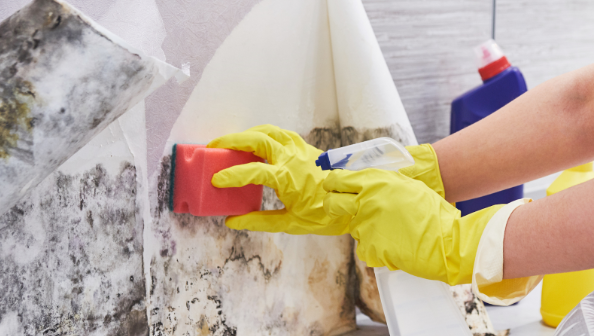
Sanitation advice includes after-treatment clean-up with bleach solution and protective gear to safely remove droppings and contamination. Professionals recommend this step to lower health risks from pathogens in rodent waste. Wear gloves, masks, and goggles during the process.
Start by ventilating the area for at least 30 minutes to disperse airborne particles. Mix a 1:10 bleach solution with water, then spray droppings, nests, and rat droppings or mouse droppings. Let it sit for five minutes before wiping surfaces clean.
Avoid sweeping or vacuuming dry droppings, as this spreads contaminants. Use dampened cloths or paper towels for pickup, and dispose of them in sealed plastic bags. Focus on high-risk spots like attics, basements, and crawl spaces.
After clean-up, wash hands thoroughly and launder any exposed clothing. Experts suggest repeating disinfection in nesting areas and near gnaw marks or rub marks. This helps prevent re-infestation and maintains a rodent-free home.
Environmental and Structural Recommendations
Environmental and structural recommendations provide prevention tips and ongoing maintenance to keep your home rodent-free long-term. These steps complement professional rodent treatment by addressing conditions that attract pests. Experts recommend combining sanitation with physical barriers for best results.
Start with sanitation advice to remove food sources. Store pantry items in airtight containers and clean crumbs from floors daily. Dispose of garbage promptly in sealed bins to deter house mice and roof rats.
Trim vegetation around your property to eliminate hiding spots. Keep bushes at least 18 inches from the foundation and clear debris piles. This reduces nesting areas and makes entry points more visible during inspections.
For structural fixes, seal cracks and gaps with steel wool or metal flashing. Check attics, basements, and crawl spaces for gnaw marks or rub marks. Regular ongoing maintenance like this prevents re-infestation after treatment.
Sanitation Tips for Rodent Prevention
Good sanitation cuts off rodents’ main attractants: food and water. Wipe counters after meals and fix leaky pipes right away. Vacuum hidden spots like behind appliances where crumbs collect.
Store pet food in metal containers overnight. Rinse recyclables before binning to avoid smells that draw rats. These habits make your home less welcoming for rodent activity.
Experts suggest weekly deep cleans in garages and basements. Remove bird feeders near the house, as spilled seeds lure pests indoors. Consistent efforts support long-term rodent control.
Vegetation and Yard Maintenance
Overgrown yards provide cover for rodents traveling to your home. Trim tree branches away from the roofline to block roof rats. Mow grass short and remove leaf piles regularly.
Clear ivy or vines climbing walls, as they create highways for mice. Keep woodpiles elevated and away from the house on racks. These environmental recommendations limit travel paths.
Install gravel borders around foundations to discourage burrowing. During ongoing maintenance, inspect for new growth after rain. A tidy yard pairs well with professional pest control.
Structural Repairs to Seal Entry Points
Inspect for gaps around pipes, vents, and doors. Use Steel Mesh to cover foundation cracks and window wells. Check Soffits and Fascia, caulk smaller holes, but prioritize durable materials rodents can’t chew through.
Secure garage doors with weatherstripping and check attic vents for loose screens. Replace chewed insulation in wall voids during repairs. These fixes address entry points found in rodent inspections.
Schedule annual checks for gas lines and electrical lines. Metal flashing works well on roofline gaps. Combining these with prevention tips ensures a rodent-free home.
Monitoring and Follow-Up
Monitoring and follow-up visits, including exterminator visits, ensure complete rodent extermination and a lasting rodent-free home. Professionals check Bait Stations and Tamper-Resistant Bait Stations regularly to track rodent activity. This step confirms the treatment plan works effectively.
During follow-up monitoring, the rodent technician inspects for signs like droppings or gnaw marks. They replace bait in tamper-resistant stations and reset snap traps or live traps as needed. These checks help detect any remaining rodent infestation early.
Expect one or more follow-up visits over several weeks, depending on the severity of the initial problem. Technicians also verify sealed entry points and nesting areas remain secure. This ongoing maintenance prevents re-infestation from house mice or roof rats.
- Review bait consumption to gauge rodent activity.
- Clear out any new rat droppings or mouse droppings.
- Provide sanitation advice for attics, basements, and crawl spaces.
Why Professional Rodent Treatment Is More Effective Than DIY
Professional rodent treatment, unlike Terminix or Store-Bought Traps, outperforms store-bought traps and DIY methods with a customized treatment plan from experts like Aardwolf Pestkare. Homeowners often grab snap traps or live traps from the store, but these tackle symptoms, not the root cause. Professionals address the full rodent infestation through targeted strategies with proper species identification.
DIY limitations become clear when rodents keep returning. Store-bought rodenticides miss hidden nesting areas in attics, basements, or wall voids. A professional pest control team uses species identification to distinguish house mice from roof rats, applying the right bait stations or tamper-resistant boxes.
Experts conduct a thorough rodent inspection, spotting entry points like foundation cracks, garage doors, or roofline gaps that DIYers overlook. They seal these with steel wool or metal flashing, preventing re-entry. This comprehensive approach ensures long-term rodent control and reduces property damage from chewed wires.
- Professionals use protective gear and follow-up visits for complete eradication.
- DIY often ignores health risks from rat droppings or gnaw marks.
- Tailored plans include sanitation advice and ongoing maintenance.
Health and Safety Benefits of Professional Treatment for mouse problem and rat problem
Professional treatment minimizes health risks from a mouse problem or rat problem, safely handling rodenticides and contamination. Experts use protective gear like respirators, gloves, and suits to avoid exposure during rodent control. This keeps you and your family safer than DIY methods.
Rodents carry diseases spread through rat droppings, urine, or bites, posing serious health risks. A professional rodent technician identifies contamination in attics, basements, or wall voids quickly. They apply proper sanitation advice, such as bleach solutions, to clean nesting areas without spreading pathogens.
With professional pest control, bait stations and snap traps go in tamper-resistant boxes to protect children and pets. Pros manage rodenticides precisely, reducing accidental poisoning risks from improper placement. This targeted approach ensures effective rodent extermination while prioritizing safety.
After treatment, follow-up visits include after-treatment clean-up and monitoring for rodent activity. Professionals provide prevention tips like sealing entry points with steel wool or metal flashing. These steps create a rodent-free home without ongoing exposure to hazards.
How Long Does Professional Rodent Treatment Take?
Professional rodent treatment in Singapore typically spans from initial consultation to follow-up, depending on infestation severity, with our rodent technician providing a clear timeline.
The process starts with a thorough Exterior Inspection and Interior Inspection for rodents. This step often takes one to two hours as the technician checks for rat droppings, gnaw marks, and rub marks in attics, basements, and crawl spaces.
Treatment itself, including Tamper-Resistant Bait Stations or snap traps, usually wraps up in a single visit for minor issues targeting Mice or Rats. Severe rodent infestations might need multiple applications of rodenticides in tamper-resistant boxes.
Follow-up visits ensure lasting results, spaced one to four weeks apart. Your technician will monitor rodent activity and seal entry points like foundation cracks or roofline gaps.
Overall, expect the full rodent extermination to take two to eight weeks. Factors like property size and species identification, such as house mice or roof rats, along with potential Squirrels, influence the exact duration.
Frequently Asked Questions
What to Expect During a Professional Rodent Treatment Process: Initial Inspection
Wake Pest begins with a thorough inspection of your property to identify rodent entry points like Soffits, Fascia, Wall Voids, Baseboards, and Utility Rooms, nesting areas, and signs of infestation like droppings or gnaw marks. Our expert technicians use specialized tools to assess the extent of the problem, ensuring a targeted treatment plan tailored to your home or business. This step is crucial for effective, long-term rodent control.
What to Expect During a Professional Rodent Treatment Process: Treatment Application
Once the inspection is complete, Aardwolf Pestkare applies safe, EPA-approved Bait Stations, traps, and exclusion methods using Steel Mesh, Metal Flashing, and Professional-Grade Sealants. We prioritize non-toxic options where possible unlike Store-Bought Traps, placing them in secure bait stations inaccessible to pets and children. Treatments are discreet and minimize disruption, with clear communication on what to avoid during the process.
What to Expect During a Professional Rodent Treatment Process: Safety Precautions
Safety is paramount at Aardwolf Pestkare. Technicians wear protective gear, and all rodenticides are used responsibly with proper labeling. We’ll advise you on temporary pet relocation, food storage, and restricted areas. Our eco-friendly approaches reduce risks while effectively eliminating rodents.
What to Expect During a Professional Rodent Treatment Process: Timeline and Follow-Up
Initial treatment often shows results within days, but full eradication may take 1-2 weeks. Aardwolf Pestkare schedules follow-up visits at 1-2 weeks and 4-6 weeks to monitor progress, replace baits, and seal entry points. Ongoing prevention plans are available for lasting protection.
What to Expect During a Professional Rodent Treatment Process: Preparation Tips
Aardwolf Pestkare recommends clearing clutter, securing food sources, and providing access to attics, basements, and crawlspaces. Remove pet bowls and cover aquariums. Our team will guide you with a pre-treatment checklist to ensure smooth execution and maximum effectiveness.
What to Expect During a Professional Rodent Treatment Process: Additional Services
As leaders in pest management, Aardwolf Pestkare offers comprehensive solutions including termite control, ant extermination, and bed bug treatments. Our integrated pest management approach addresses multiple pests, providing holistic protection for your property with guaranteed results.